Most American homeowners believe energy audits are only for older houses or major renovations, yet studies show nearly 40 percent of all homes waste energy due to hidden inefficiencies. This means many families in Massachusetts could be overpaying on utility bills without even knowing it. Understanding how a professional energy audit really works can reveal missed savings and bring lasting comfort, making it a smart step for any home.
Table of Contents
- Defining Energy Audits And Common Myths
- Types Of Energy Audits For Residential Properties
- How Energy Audits Identify Hidden Inefficiencies
- Energy Audit Process: What Homeowners Can Expect
- Financial Benefits And Local Incentives In Massachusetts
- Common Mistakes To Avoid With Energy Upgrades
Key Takeaways
| Point | Details |
|---|---|
| Importance of Energy Audits | Energy audits are essential for homeowners to understand their home’s energy performance and uncover potential savings opportunities. |
| Types of Energy Audits | Massachusetts homeowners can choose from preliminary, general, and detailed audits based on their specific needs and budget. |
| Identifying Inefficiencies | Advanced diagnostic tools in energy audits help reveal hidden inefficiencies that standard inspections may miss, allowing for targeted improvements. |
| Financial Incentives | Homeowners can access state and federal incentives that significantly reduce the cost of energy efficiency upgrades, making audits a financially strategic choice. |
Defining Energy Audits and Common Myths
Energy audits represent a critical diagnostic process for Massachusetts homeowners seeking to understand and optimize their home’s energy performance. These comprehensive evaluations go far beyond simple inspections, providing a detailed analysis of how energy flows through your living space. Comprehensive energy audits are designed to uncover hidden inefficiencies and potential savings opportunities that many homeowners might overlook.
Contrary to popular misconceptions, energy audits are not invasive or time-consuming procedures. Professional auditors use advanced diagnostic tools like thermal imaging cameras and blower door tests to assess your home’s energy characteristics without significant disruption. They systematically examine key areas including insulation quality, heating and cooling systems, window and door seals, and overall building envelope performance. The goal is to generate a detailed report highlighting specific recommendations for improving energy efficiency and reducing utility costs.
Many homeowners mistakenly believe energy audits are unnecessary expenses or mere regulatory formalities. However, these assessments serve as pivotal tools for understanding your home’s true energy profile. By identifying potential improvements, audits can lead to significant long-term savings and enhanced home comfort. The insights gained can help you:
- Reduce monthly utility expenses
- Improve indoor temperature regulation
- Enhance overall home energy performance
- Potentially increase property value
- Minimize environmental impact
Through a strategic, data-driven approach, energy audits transform abstract energy consumption into actionable intelligence for Massachusetts homeowners. The investment in a professional audit can yield substantial returns, making it a smart first step toward creating a more efficient, comfortable living environment.
Types of Energy Audits for Residential Properties
Homeowners in Massachusetts have several options when considering an energy audit, each providing a different level of detail and insight. Residential energy audits can be categorized into three primary types: preliminary, general, and detailed assessments, each designed to meet specific homeowner needs and budget constraints.
The first level, Preliminary Audits, are quick, cost-effective evaluations that provide a broad overview of a home’s energy performance. These assessments typically involve a visual inspection and basic diagnostics, helping homeowners identify the most obvious areas of energy waste. During a preliminary audit, professionals will conduct a walkthrough, examine utility bills, and offer initial recommendations for potential improvements.
Walk-through and investment-grade audits represent more comprehensive evaluation strategies. Walk-through audits delve deeper than preliminary assessments, using advanced diagnostic tools to uncover hidden inefficiencies. Key characteristics of these audits include:
- Comprehensive visual inspections
- Thermal imaging scans
- Blower door tests
- Detailed analysis of insulation and building envelope
- Preliminary recommendations for energy improvements
The most extensive option is the Investment-Grade Audit, which provides an in-depth analysis designed for homeowners considering significant energy efficiency upgrades. These comprehensive evaluations include precise measurements, advanced diagnostic testing, and detailed financial projections of potential energy savings. Professionals conduct exhaustive assessments that quantify exact energy consumption, identify specific improvement opportunities, and calculate potential return on investment for recommended upgrades.
How Energy Audits Identify Hidden Inefficiencies
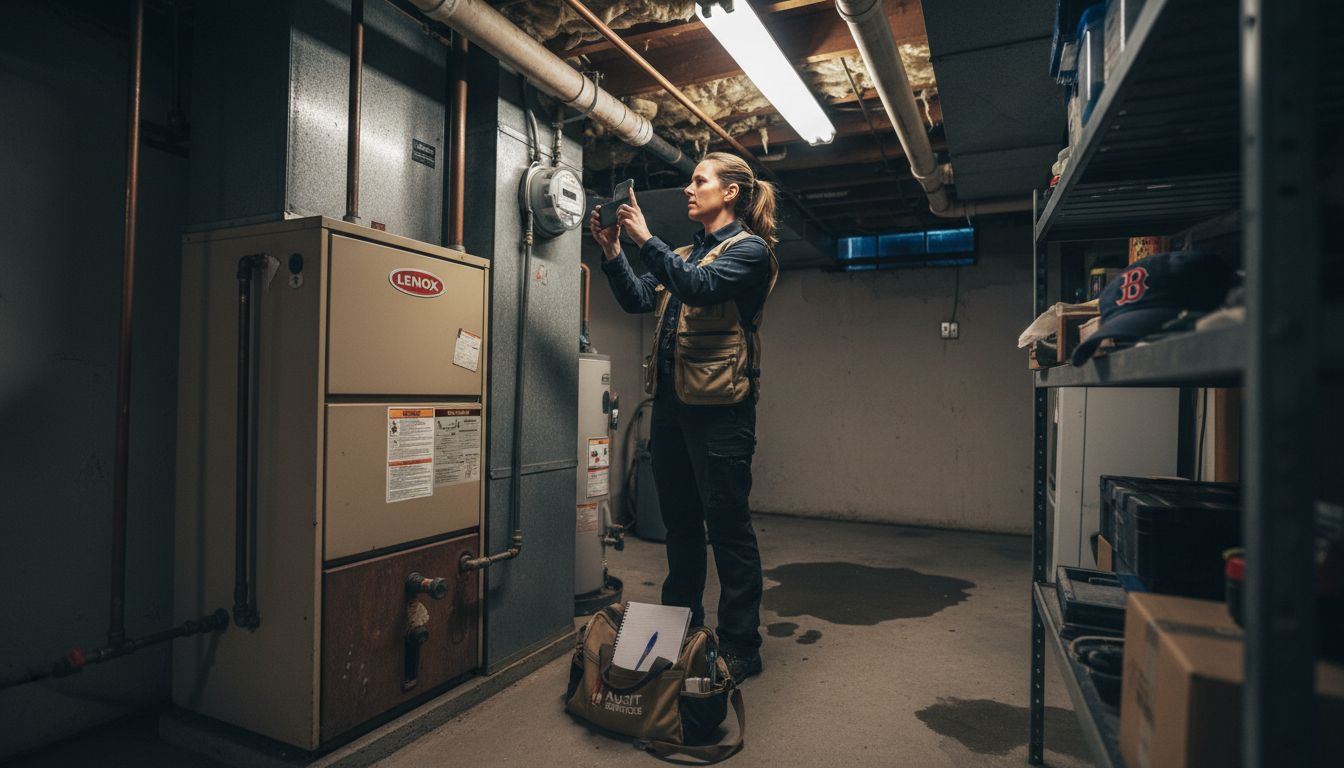
Energy audits are sophisticated diagnostic processes that go far beyond simple visual inspections, utilizing advanced technologies to uncover subtle energy inefficiencies within residential properties. Specialized techniques like blower door tests and infrared thermographic inspections enable professionals to detect microscopic air leaks and insulation deficiencies that typically remain invisible to the untrained eye.
These comprehensive assessments employ multiple diagnostic strategies to map a home’s energy performance. Thermal imaging cameras can reveal temperature variations across walls, windows, and building surfaces, highlighting areas of heat loss or inadequate insulation. Blower door tests create controlled pressure differences that help auditors precisely locate air infiltration points, which can significantly impact a home’s overall energy consumption. Professionals systematically examine key structural elements, including:
- Window and door seals
- Attic and wall insulation
- Foundation and basement interfaces
- HVAC system connections
- Electrical outlet and switch plate interfaces
Advanced artificial intelligence techniques are now revolutionizing energy audit processes, enabling even more precise anomaly detection in energy consumption patterns. These sophisticated algorithms can analyze complex data sets, identifying irregular energy usage that might indicate underlying inefficiencies. By combining traditional diagnostic tools with cutting-edge computational analysis, energy auditors can provide homeowners with unprecedented insights into their property’s energy performance, transforming abstract consumption data into actionable improvement recommendations.
Energy Audit Process: What Homeowners Can Expect
Homeowners embarking on an energy audit should prepare for a comprehensive and systematic evaluation of their property’s energy performance. Professional auditors will conduct a detailed inspection that goes beyond a simple walkthrough, utilizing advanced diagnostic tools to uncover potential inefficiencies and energy loss opportunities.
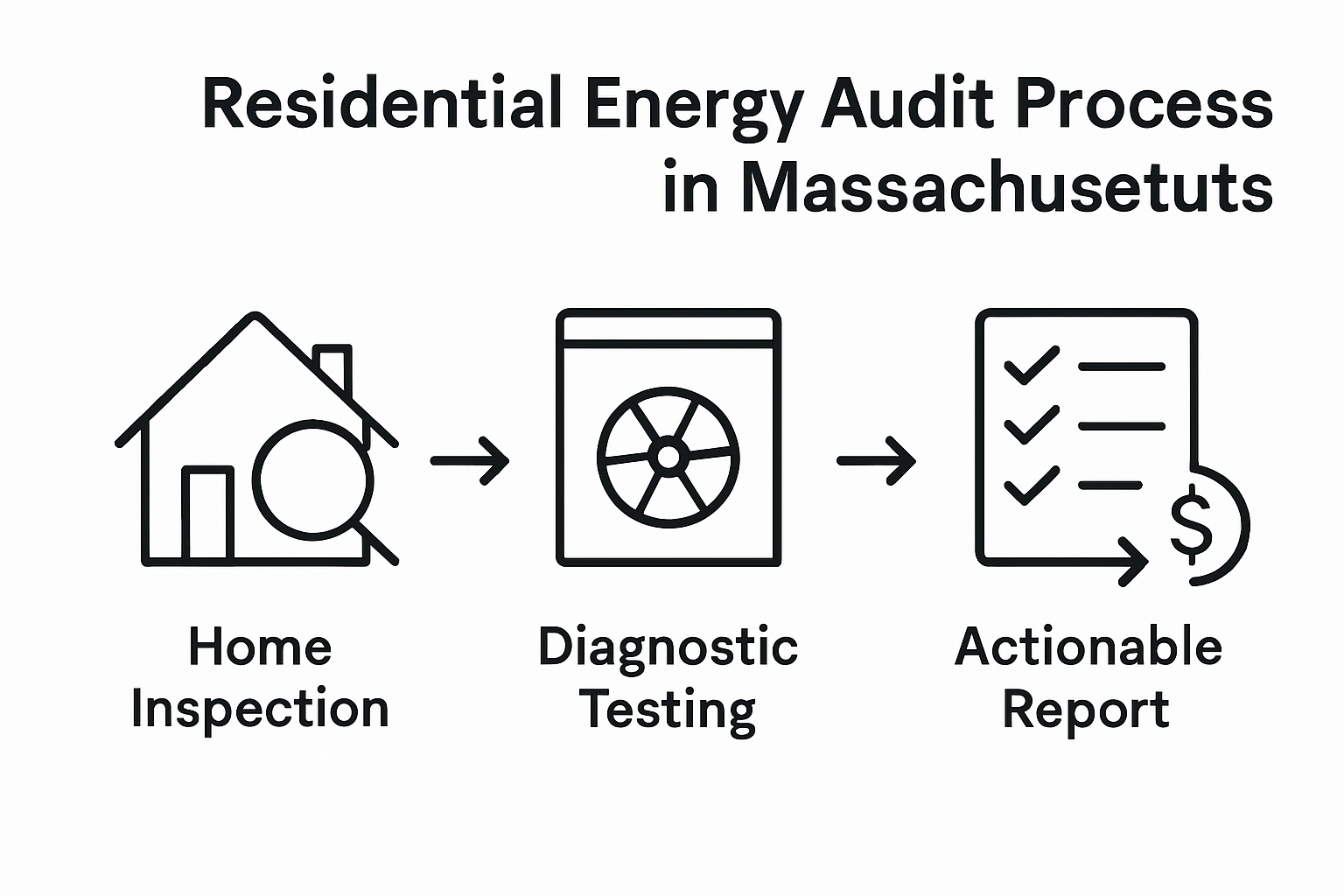
The typical energy audit process involves several key stages, beginning with an initial consultation and comprehensive data gathering. Auditors will request past utility bills, examine the home’s construction history, and discuss the homeowner’s specific energy concerns. During the on-site assessment, professionals will perform a series of specialized tests, including:
- Blower door tests to measure air infiltration
- Thermal imaging scans
- Visual inspections of insulation and building envelope
- Assessment of heating and cooling systems
- Evaluation of electrical and water heating components
The final stage of the energy audit process involves a comprehensive report that transforms collected data into actionable insights. Homeowners can expect a detailed document outlining specific energy inefficiencies, recommended improvements, and potential cost savings. Financing home renovations often becomes a crucial consideration after receiving these recommendations, as the audit may reveal opportunities for significant energy-saving upgrades. The report typically includes estimated costs for proposed improvements, potential energy savings, and projected return on investment, empowering homeowners to make informed decisions about their property’s energy efficiency.
Financial Benefits and Local Incentives in Massachusetts
Massachusetts homeowners can unlock significant financial advantages through strategic energy efficiency investments, with state and federal programs offering compelling incentives for home improvements. The Commonwealth has developed a robust ecosystem of rebates, tax credits, and financing options designed to encourage energy-conscious home upgrades and reduce overall residential energy consumption.
The Massachusetts energy efficiency landscape includes multiple financial support mechanisms for homeowners. Key incentive programs typically offer:
- Rebates for energy-efficient appliance replacements
- Tax credits for comprehensive home energy upgrades
- Low-interest financing for energy improvement projects
- Grants for renewable energy system installations
- Performance-based incentives for significant energy reductions
Window replacement projects represent one strategic approach to capturing these financial benefits, with many local utilities and state programs providing substantial monetary support for improvements that demonstrably reduce energy waste. Homeowners can potentially offset a significant portion of upgrade costs through carefully structured incentive programs, transforming energy efficiency investments from expenses into long-term financial opportunities. The cumulative effect of these incentives can result in thousands of dollars of savings, making professional energy audits an essential first step in understanding and maximizing available financial resources for home energy improvements.
Common Mistakes to Avoid With Energy Upgrades
Homeowners often encounter numerous pitfalls when attempting to improve their home’s energy efficiency, which can ultimately undermine their well-intentioned efforts. Common mistakes in energy upgrades frequently stem from overlooking critical savings opportunities and failing to approach improvements strategically, potentially resulting in wasted resources and minimal actual energy performance gains.
One of the most significant errors Massachusetts homeowners make involves implementing upgrades without comprehensive planning. These mistakes typically include:
- Neglecting a professional energy audit before upgrades
- Choosing low-quality or mismatched improvement materials
- Ignoring the interconnected nature of home energy systems
- Attempting complex upgrades without professional guidance
- Underestimating the importance of proper installation techniques
Failing to implement recommendations from energy audits can transform potentially transformative improvements into mere cosmetic changes. Homeowners should view energy audits not as bureaucratic formalities, but as strategic roadmaps for meaningful efficiency enhancements. Annual roof inspections represent another critical component of a holistic approach to home energy management, ensuring that key structural elements contribute to overall energy performance rather than undermining efficiency efforts.
Unlock the Full Potential of Your Massachusetts Home with Expert Exterior Improvements
Understanding hidden energy inefficiencies through professional energy audits is the first step toward lowering utility bills and enhancing home comfort. Many Massachusetts homeowners struggle with drafty windows, poor insulation, or outdated roofing that compromise energy efficiency. If you want to turn your audit findings into real savings and a more comfortable living space, partnering with a trusted local contractor is key.
Sabatalo Contracting & Home Improvement brings over 15 years of hands-on experience helping homeowners transform energy audit insights into lasting exterior upgrades. From precise window replacements that seal in warmth to durable roofing and siding solutions, our craftsmanship delivers improved energy performance and curb appeal along with lasting value.

Ready to move from report to results? Visit Sabatalo Contracting & Home Improvement today for a free consultation and discover how our tailored exterior home improvements can turn your energy audit into a smart investment. Don’t let hidden energy losses drain your budget any longer—take action now for a more efficient Massachusetts home.
Frequently Asked Questions
What is an energy audit and how can it benefit my home?
An energy audit is a comprehensive evaluation of your home’s energy performance. It identifies inefficiencies and potential savings, helping you reduce utility costs, improve comfort, and enhance overall energy efficiency.
Are energy audits invasive and how long do they take?
Energy audits are not invasive; they involve non-disruptive methods like thermal imaging and blower door tests to assess energy flow. The duration varies but typically lasts a few hours, depending on the size of the home.
Can energy audits help me save money on utility bills?
Yes, energy audits can lead to significant savings on utility bills by identifying areas where energy efficiency can be improved, ultimately reducing energy consumption.
What types of energy audits are available for homeowners?
Homeowners can choose from preliminary audits, which provide a basic overview, general walk-through audits for more detailed insights, and investment-grade audits that offer exhaustive analysis and financial projections for energy efficiency upgrades.
Recommended
- When to Replace Windows: Guide for Massachusetts Homes 2025
- Annual Roof Inspections in Massachusetts: A 2025 Guide for Homeowners | Sabatalo Contracting
- 7 Essential Door Installation Tips for Massachusetts Homeowners | Sabatalo Contracting
- How to Finance Home Renovations for Massachusetts Homes | Sabatalo Contracting
