Quality roofing goes far beyond surface appearance. In Massachusetts, experienced residential roofers know that an expertly installed roof is the homeowner’s strongest line of defense against harsh New England weather. With over 74 percent of American homeowners ranking the roof as their most important home feature, mastering the newest installation strategies becomes vital. This guide highlights advanced professional standards, specialized materials, and licensing knowledge that set top-tier Massachusetts roofers apart from the rest.
Table of Contents
- Defining Professional Roofers and Their Role
- Different Roofing Specializations and Materials
- Licensing, Certifications, and State Regulations
- Best Practices for Safety and Quality Assurance
- Managing Liability, Warranties, and Client Expectations
Key Takeaways
| Point | Details |
|---|---|
| Role of Professional Roofers | Roofers are essential for the safety and integrity of buildings, requiring a deep understanding of materials, techniques, and local regulations. |
| Specializations and Materials | Roofing professionals in Massachusetts must be adept at various materials and roofs to address different environmental challenges. |
| Licensing and Certifications | Compliance with state regulations, including proper certifications and licenses, is crucial for maintaining high-quality workmanship and consumer protection. |
| Safety and Quality Practices | Implementing rigorous safety protocols and quality assurance measures is vital to minimize risks and ensure lasting performance in roofing projects. |
Defining Professional Roofers and Their Role
Professional roofers are skilled tradesmen who specialize in constructing, repairing, and maintaining roof systems across residential and commercial buildings. These professionals do far more than simply placing shingles – they are critical protectors of structural integrity, ensuring buildings remain safe and weatherproof. Roofers replace, repair, and install roofs using various materials like shingles, metal, and bitumen, demonstrating the complexity and technical precision required in their craft.
In Massachusetts, professional roofers must possess a comprehensive skill set that goes beyond basic installation techniques. They require deep understanding of regional climate challenges, building codes, material performance, and safety protocols. Roofing contractors typically manage complex projects involving precise measurements, material selection, waterproofing techniques, and structural assessments. Their work demands exceptional physical endurance, technical knowledge, and the ability to work efficiently in challenging outdoor environments.
The professional roofing landscape involves multiple specialized roles and expertise levels. Specialist roles exist such as sheeting and cladding, heritage roofing projects, and hard metal roofing, highlighting the diverse skill sets within this trade. Advanced professionals often develop expertise in specific roofing systems, materials, and installation methodologies, allowing them to tackle increasingly complex residential and commercial projects.
Pro tip: Seek roofing professionals who can demonstrate documented training, certifications, and a robust portfolio of completed projects in Massachusetts, ensuring you receive high-quality, code-compliant roofing services.
Different Roofing Specializations and Materials
Roofing professionals in Massachusetts must navigate a complex landscape of materials and specialized techniques tailored to the region’s unique environmental challenges. Roofing materials vary widely depending on availability and building requirements, ranging from natural products like thatch and slate to commercial products like tiles and polycarbonate sheeting. Steep slope and low slope roofing systems represent two primary categories, each demanding distinct material selections and installation approaches.
The Massachusetts roofing industry encompasses multiple specialized material categories. Roofing systems include asphalt shingles, clay and concrete tiles, wood and slate shingles, metal roofing systems, thermoplastic roofing, built-up and modified bitumen roofing, and liquid-applied roofing. Professionals must understand the nuanced performance characteristics of each material – considering factors like durability, thermal performance, weight, cost, and compatibility with regional weather patterns. Asphalt shingles remain popular for residential applications, while metal and modified bitumen systems often serve commercial and industrial projects.
Each roofing material requires specialized knowledge and installation techniques. Slate roofing demands exceptional craftsmanship, with individual tiles carefully selected and positioned to ensure optimal water resistance and aesthetic appeal. Metal roofing systems offer superior longevity and energy efficiency, particularly in regions experiencing extreme temperature variations. Wood shingles provide a traditional aesthetic but require meticulous maintenance to prevent moisture damage and potential degradation. Advanced professionals continually update their skills, understanding how emerging technologies and materials can enhance roof performance and sustainability.
Pro tip: Always consult a roofing professional who can recommend materials specifically matched to your building’s architectural design, local climate conditions, and long-term performance requirements.
Here’s a comparison of popular roofing materials and their performance traits in Massachusetts:
| Material Type | Durability | Cost Range | Climate Suitability |
|---|---|---|---|
| Asphalt Shingles | Moderate (15-30 yrs) | Low to moderate | Good in varied conditions |
| Metal Roofing | High (40+ yrs) | Moderate to high | Excellent for snow/wind |
| Slate Shingles | Very high (70+ yrs) | High | Superior in freeze-thaw |
| Wood Shingles | Moderate (20-30 yrs) | Moderate | Needs dry climates, risk of rot |
| Clay/Concrete Tiles | High (40+ yrs) | High | Good for coastal areas |
Licensing, Certifications, and State Regulations
Massachusetts maintains rigorous regulatory standards for roofing professionals, designed to protect consumers and ensure high-quality workmanship. Roofers typically require registration as Home Improvement Contractors (HIC) when working on owner-occupied residential properties. The state’s Division of Occupational Licensure oversees these requirements, establishing clear guidelines for professional practice across residential and commercial roofing sectors.
The Massachusetts State Building Code (780 CMR) governs roofing requirements, including detailed specifications for permits, inspections, and adherence to safety and material standards. Different project scales demand varying levels of professional certification. Basic residential roof repairs might require a standard Home Improvement Contractor registration, while more complex structural renovations necessitate a Construction Supervisor License (CSL). These regulations ensure that roofing professionals demonstrate technical competence, understand local building codes, and maintain high standards of safety and quality.
Professional roofing certifications extend beyond state-mandated licenses. Advanced professionals often pursue additional training through industry organizations, acquiring specialized credentials that validate expertise in specific roofing systems, materials, and installation techniques. These certifications might cover areas like metal roofing installation, solar roof integration, historical restoration techniques, and advanced waterproofing methods. By investing in continuous education and maintaining current licenses, Massachusetts roofers demonstrate their commitment to professional excellence and staying ahead of evolving industry standards.
Pro tip: Always verify a roofing contractor’s current licenses and certifications before hiring, and request documentation that proves their compliance with Massachusetts state regulations.
Below is a summary of key Massachusetts roofing licenses and certifications:
| Credential Type | Applicability | Key Requirement | Oversight Authority |
|---|---|---|---|
| Home Improvement Contractor | Residential properties | Registration and insurance | Division of Occupational Licensure |
| Construction Supervisor License | Structural renovations | Exam plus experience | State Building Code office |
| Industry Certifications | Specialized systems/materials | Training by trade organizations | Various professional bodies |
Best Practices for Safety and Quality Assurance
The RICOWI Best Practices Guide for Roofing provides comprehensive guidance on designing, installing, and maintaining roofs to resist weather hazards. Safety and quality assurance in roofing demand a multi-layered approach that integrates rigorous training, meticulous planning, and consistent execution of industry-standard protocols. Professional roofers must develop a holistic understanding of risk management, material performance, and installation techniques that protect both workers and building structures.
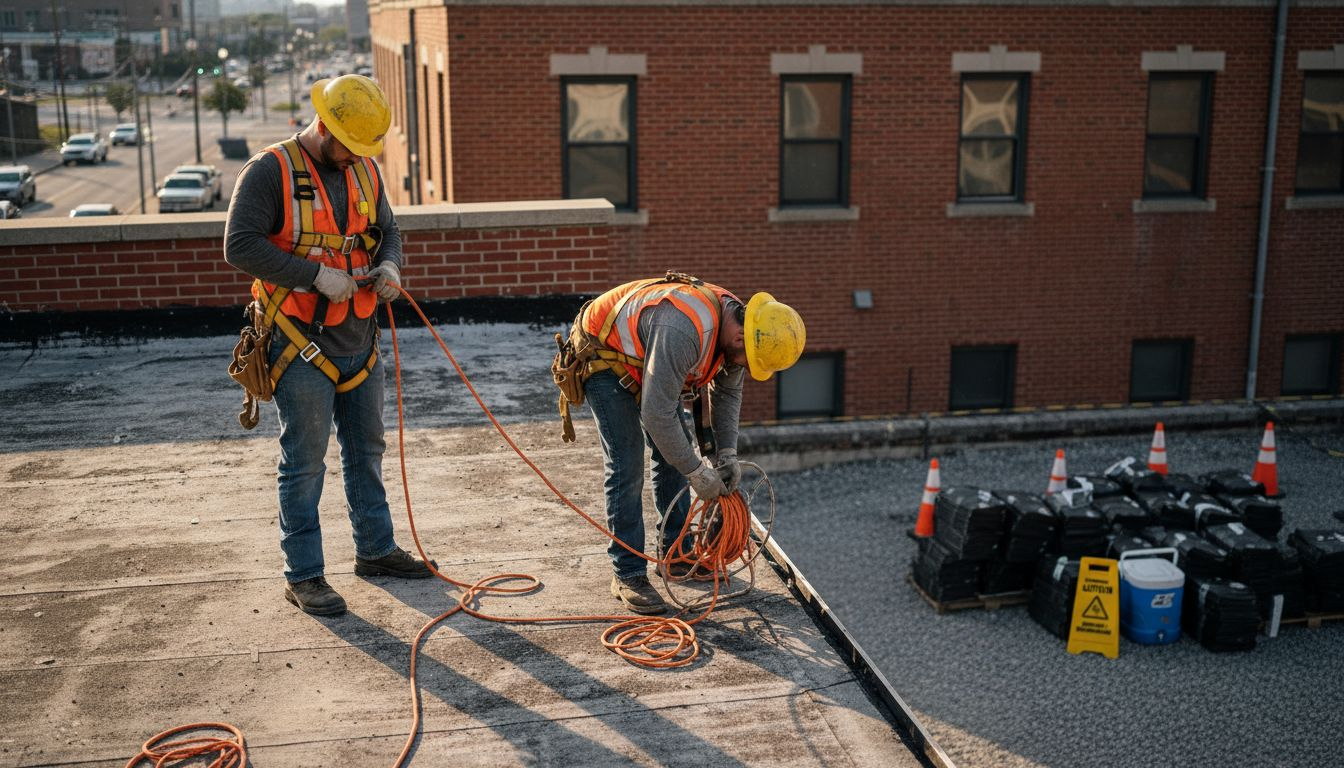
NCCER’s roofing curriculum emphasizes comprehensive safety protocols, including fall protection, safe material handling, and adherence to OSHA standards. Workplace safety represents the foundational priority for roofing professionals. This involves implementing extensive personal protective equipment (PPE) requirements, conducting regular safety training sessions, and establishing clear communication protocols on job sites. Advanced teams utilize comprehensive risk assessment strategies, identifying potential hazards before beginning work and developing detailed mitigation plans for complex roofing projects.
Quality assurance extends beyond immediate safety considerations, encompassing precise material selection, installation techniques, and long-term performance evaluation. Professional roofers must thoroughly understand building blueprints, manufacturer specifications, and local building codes. This requires ongoing education, regular skill updates, and a commitment to understanding emerging technologies and installation methodologies. Systematic documentation, including detailed project logs, material certifications, and post-installation inspections, becomes crucial in maintaining the highest standards of professional excellence.
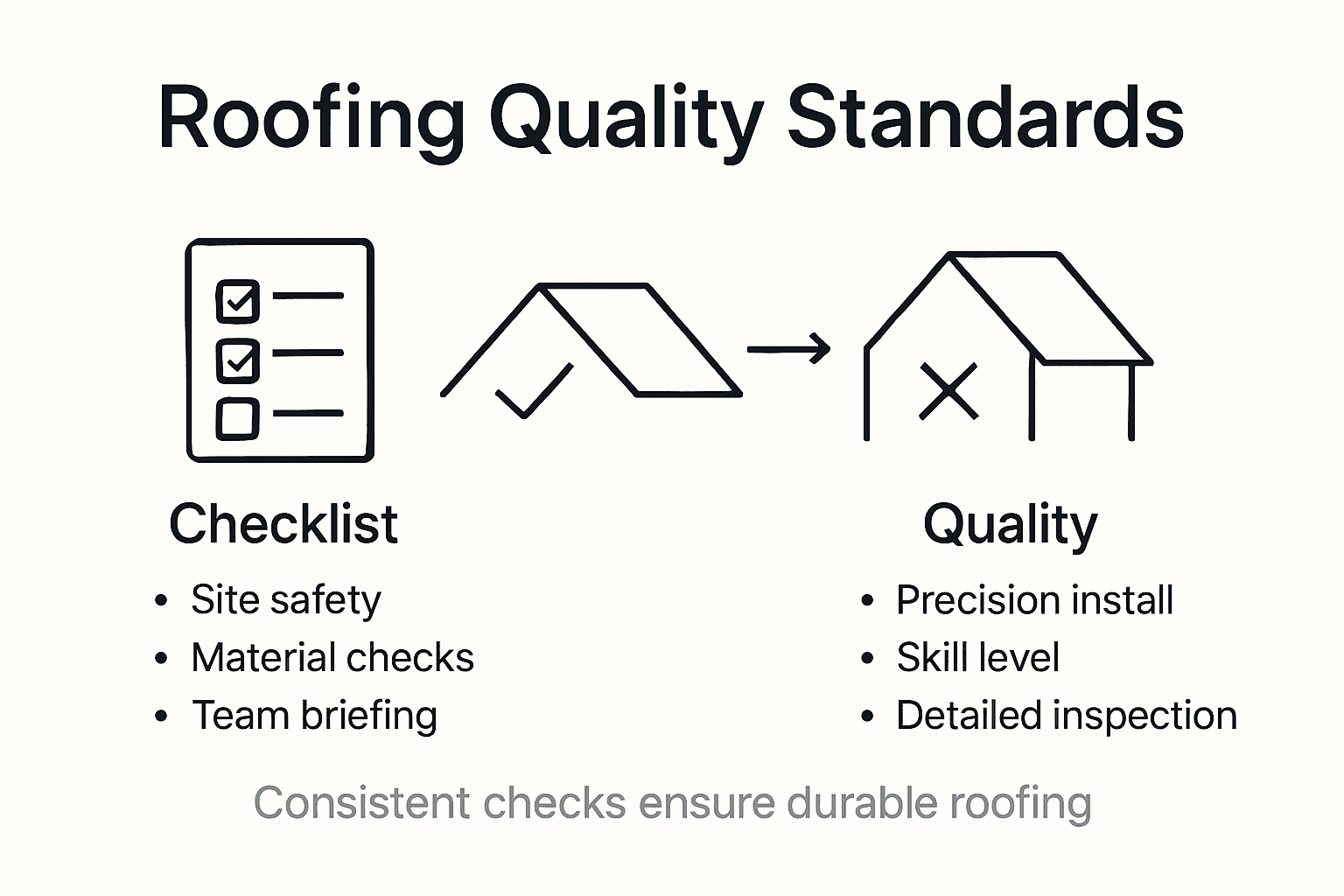
Pro tip: Implement a comprehensive safety checklist for every roofing project, ensuring each team member understands specific site risks and required protective measures before beginning work.
Managing Liability, Warranties, and Client Expectations
Federal minimum standards for consumer product warranties establish critical guidelines for roofing professionals regarding warranty obligations and consumer protections. Warranty management requires a comprehensive approach that balances technical expertise, legal compliance, and transparent client communication. Professional roofers must develop sophisticated strategies that clearly define service expectations, potential limitations, and remediation processes for potential material or installation defects.
Construction warranties protect both property owners and contractors by defining specific obligations for workmanship, materials, and design. These warranties encompass two primary categories: express warranties explicitly detailed in contracts and implied warranties that ensure minimum standards of habitability and professional performance. Manufacturers’ product warranties complement these contractual protections, providing additional layers of quality assurance for roofing materials and components. Sophisticated roofing professionals understand that effective warranty management extends beyond legal documentation, requiring ongoing communication, proactive maintenance recommendations, and a commitment to long-term client satisfaction.
Navigating liability in the roofing industry demands meticulous documentation, clear contractual language, and a proactive approach to risk management. Professional roofers must develop comprehensive client intake processes that thoroughly explain warranty terms, potential limitations, and specific performance expectations. This involves creating detailed project proposals, maintaining extensive photographic documentation of installation processes, and establishing clear protocols for addressing potential future issues. Advanced practitioners utilize sophisticated contract language that protects both the client’s interests and the company’s operational integrity.
Pro tip: Develop a standardized warranty documentation package that clearly explains coverage terms, maintenance requirements, and claim procedures, ensuring clients fully understand their protection.
Trust Skilled Professionals to Protect Your Massachusetts Home with Expert Roofing
The article highlights the importance of hiring professional roofers who understand Massachusetts-specific challenges like harsh weather and strict building codes. You want a roofer who offers skilled craftsmanship, uses the right materials, follows safety best practices, and guarantees quality through proper licensing and warranties. At Sabatalo Contracting, we share these values and bring over 15 years of local expertise to every roofing project. Our team understands the critical role a durable roof plays in protecting your home’s structure and energy efficiency.
Experience peace of mind by choosing a trusted roofing partner who prioritizes thorough inspections, precise installations, and transparent communication. Explore our comprehensive Roofing services designed to meet your unique needs while complying with Massachusetts regulations. For a complete exterior upgrade that enhances curb appeal and performance, check out our Siding and Windows solutions.
Take the first step toward elevating your home’s protection and beauty now

Request a free consultation at Sabatalo Contracting and let us help you raise the standards of your property’s roofing with trusted craftsmanship and long-lasting results.
Frequently Asked Questions
What is the role of a professional roofer?
Professional roofers are skilled tradesmen who specialize in constructing, repairing, and maintaining roof systems for both residential and commercial buildings. They ensure that roofs remain safe and weatherproof by using various materials and techniques.
What types of roofing materials are commonly used?
Common roofing materials include asphalt shingles, metal roofing, clay and concrete tiles, wood shingles, and slate roofing. Each material has unique performance characteristics that influence durability, cost, and suitability for different climates.
How can I ensure my roofing project is compliant with regulations?
To ensure compliance, hire roofing professionals who are registered as Home Improvement Contractors (HIC) and check their licenses against the Massachusetts State Building Code. Verify their training and certifications to confirm they are knowledgeable about local regulations.
What safety measures should professional roofers follow?
Professional roofers should adhere to safety protocols that include using personal protective equipment (PPE), following OSHA standards, conducting regular safety training, and performing risk assessments before beginning any roofing project.
