
Upgrading to energy-efficient front doors is one of the smartest moves Massachusetts homeowners can make, especially as home heating and cooling account for over 40 percent of typical American energy bills. With the unpredictable New England climate, every draft matters. Choosing a locally crafted, high-performance front door can add beauty and reduce costly energy loss at the same time. This guide helps you understand what sets modern American energy-efficient doors apart, and how they deliver lasting value for your home.
Table of Contents
- Defining Energy Efficient Front Doors
- Types Of Energy Saving Doors Explained
- Key Insulation And Security Features
- Installation Requirements In Massachusetts
- Cost, Savings, And Common Mistakes
Key Takeaways
| Point | Details |
|---|---|
| Energy Efficiency | Energy-efficient front doors minimize heat transfer and optimize indoor comfort, significantly improving energy savings for homeowners. |
| Material Matters | Choose from various high-performance door materials like insulated steel and fiberglass for superior insulation and durability. |
| Installation Compliance | Adhere to Massachusetts’ building codes for door installations to ensure optimal thermal performance and safety. |
| Cost Considerations | Factor in upfront costs, potential energy savings, and available tax credits when investing in energy-efficient doors. |
Defining Energy Efficient Front Doors
Energy-efficient front doors represent a strategic home improvement solution designed to minimize heat transfer and optimize indoor comfort. These specialized doors go beyond traditional entryways by incorporating advanced materials and engineering techniques that dramatically reduce unwanted thermal exchange. The core objective is preventing heat loss during winter and heat gain during summer, ultimately creating a more stable and comfortable interior environment.
At the technical level, energy-efficient doors are characterized by several critical performance attributes. These include non-conductive core materials like fiberglass or insulated steel, sophisticated weatherstripping systems, and precision-engineered seals that eliminate air infiltration. Manufacturers evaluate these doors using standardized metrics such as R-value, U-factor, and solar heat gain coefficient, which provide quantifiable measurements of thermal performance. Multiple-glazed glass panels and robust insulation cores further enhance their ability to maintain consistent indoor temperatures.
For Massachusetts homeowners, selecting an energy-efficient front door means considering local climate demands and specific residential characteristics. The ideal door will not only provide superior thermal regulation but also complement the architectural style of the home. Advanced options might include features like low-emissivity glass coatings, argon gas-filled cores, and multi-point locking mechanisms that create an exceptionally tight seal against external temperature variations.
Pro Tip: When shopping for an energy-efficient front door, request a comprehensive performance rating sheet and compare solar heat gain coefficients specific to the Massachusetts climate zone.
Types Of Energy Saving Doors Explained
Energy-saving doors come in several specialized configurations designed to meet diverse residential needs and climate challenges. Insulated steel and fiberglass doors with polyurethane foam cores represent the most common high-performance options, offering superior thermal resistance and durability. These doors typically feature advanced engineering that minimizes heat transfer, making them ideal for homeowners seeking maximum energy efficiency and long-term performance.
The market offers multiple energy-saving door types, each with unique characteristics. Foam-filled wood doors provide excellent insulation while maintaining a traditional aesthetic. Fiberglass models excel in resisting temperature fluctuations and preventing air infiltration. Engineered thermal break designs create additional barriers against heat transfer, with multi-glazed glass panels and specialized low-emissivity coatings further enhancing their thermal performance. Steel doors with magnetic weatherstripping offer robust construction and exceptional sealing capabilities.
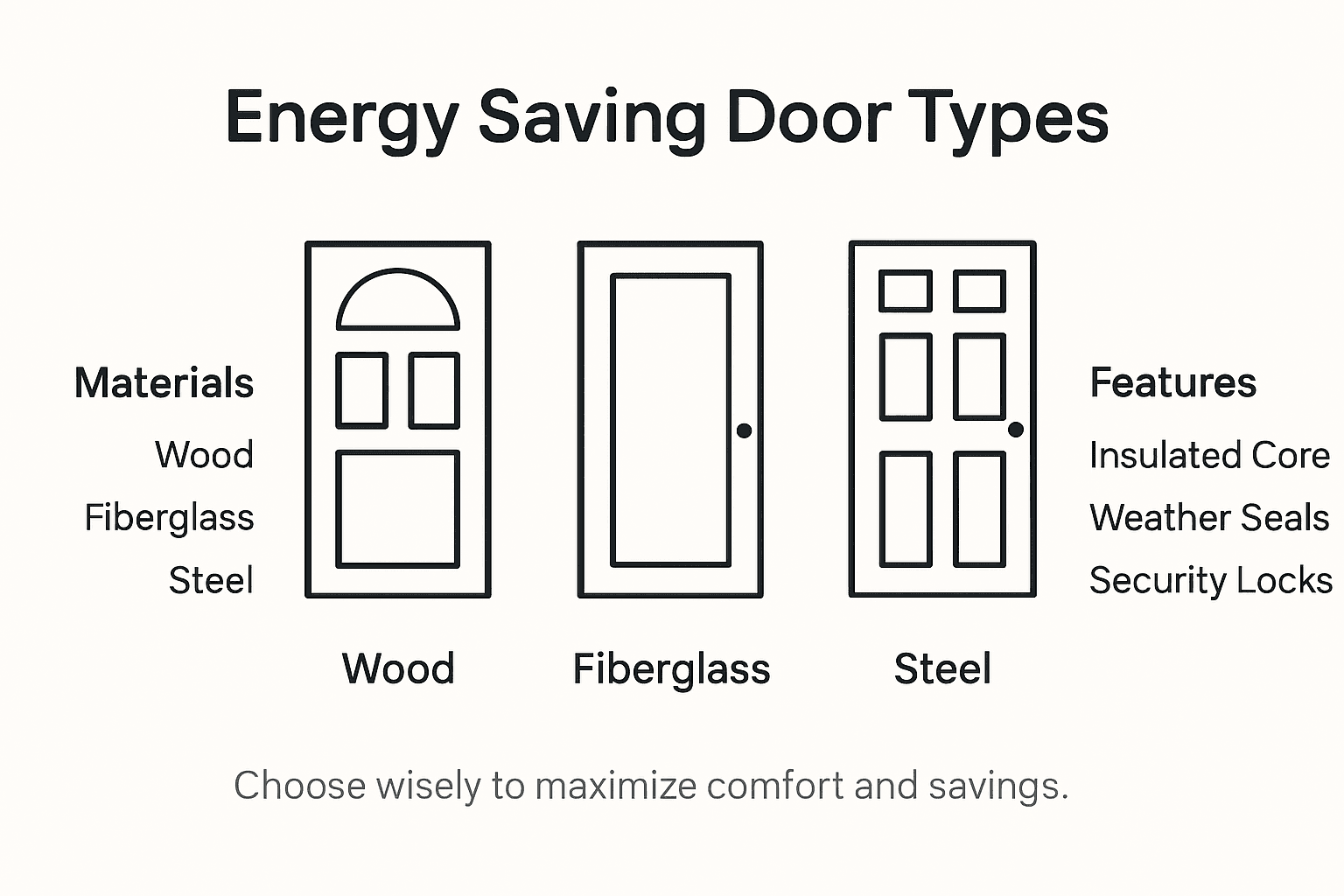
When selecting an energy-saving door for a Massachusetts home, homeowners should consider factors beyond material composition. Climate-specific requirements, architectural style, and individual energy efficiency goals play crucial roles in making the right choice. Some advanced doors incorporate argon gas-filled cores, triple-layer glass panels, and precision-engineered sealing mechanisms that can dramatically reduce energy consumption and improve indoor comfort.
Here’s a quick comparison of common energy-saving door materials:
| Door Material | Insulation Effectiveness | Durability | Visual Appeal |
|---|---|---|---|
| Fiberglass | Excellent thermal barrier | Highly resistant to dents | Modern and versatile look |
| Insulated Steel | Superior with foam cores | Rust-resistant, very strong | Sleek, contemporary finish |
| Foam-filled Wood | Good for classic homes | Requires regular maintenance | Traditional, natural charm |
| Composite | Adapts to climate shifts | Low maintenance, durable | Mimics wood or steel styles |
Pro Tip: Request a detailed thermal performance rating for any door you’re considering, and prioritize models with low U-factor ratings for maximum energy savings in Massachusetts’ variable climate.
Key Insulation And Security Features
Insulation technology transforms modern front doors from simple entry points to sophisticated barriers against environmental challenges. The core insulation materials, typically polyurethane or high-density foam, play a critical role in thermal performance, creating a robust defense against heat transfer and temperature fluctuations. These advanced materials work simultaneously to maintain indoor comfort and reduce energy consumption, making them a strategic investment for Massachusetts homeowners seeking both efficiency and protection.
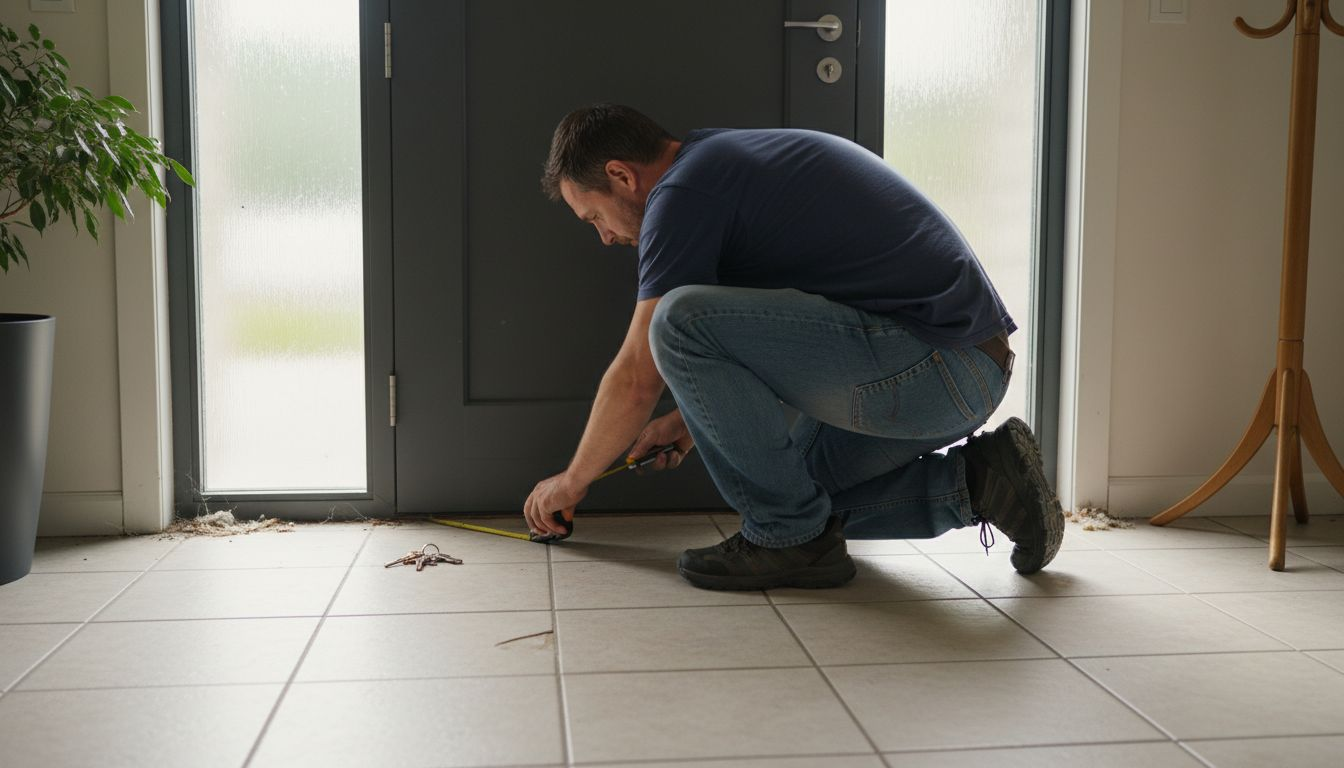
Security features have evolved dramatically, integrating seamlessly with insulation technologies to create comprehensive door solutions. Multi-point locking mechanisms provide enhanced protection by distributing pressure across multiple securing points, which not only deters potential intrusions but also creates a tighter seal against drafts and air infiltration. Steel and fiberglass doors with reinforced frames and specialized glazing offer additional layers of security, combining physical strength with thermal resistance through techniques like low-E glass coatings and triple-layer panel construction.
For Massachusetts homes, selecting the right combination of insulation and security features requires careful consideration of local climate conditions and individual home characteristics. Advanced door designs now incorporate sophisticated elements like adjustable thresholds, high-performance weatherstripping, and composite cores that adapt to temperature changes while maintaining structural integrity. These innovations represent a holistic approach to home protection, addressing both energy efficiency and personal safety through intelligent engineering.
Pro Tip: Invest in professional door installation to ensure proper sealing and alignment, which can improve both insulation performance and security effectiveness by up to 30 percent.
Installation Requirements In Massachusetts
Massachusetts maintains rigorous standards for front door installations, driven by comprehensive building codes that prioritize energy efficiency, safety, and structural integrity. The 10th Edition State Building Code (780 CMR) establishes detailed requirements governing door installations, which are adapted from the 2021 International Residential and Energy Conservation Codes with specific local modifications. These regulations mandate precise specifications for door performance, including minimum insulation values, specific U-factor ratings, and solar heat gain coefficients that ensure optimal thermal performance in Massachusetts’ variable climate.
Special attention must be given to the specific technical requirements for residential door installations. Contractors must adhere to strict guidelines regarding structural framing, egress dimensions, and accessibility standards. Exterior doors, particularly in multifamily residential settings, require additional security features such as self-closing and self-locking hardware, which are subject to approval by the State Board of Building Regulations and Standards. Each municipality may also implement supplemental stretch code requirements that further enhance energy efficiency standards beyond state minimums.
For Massachusetts homeowners, navigating these complex installation requirements demands working with experienced professionals who understand local building codes. The regulations extend beyond simple measurements, encompassing thermal performance, structural resilience, security protocols, and compliance with regional environmental standards. Professional contractors must demonstrate comprehensive knowledge of these intricate requirements, ensuring that each door installation meets not just minimal compliance, but represents a sophisticated integration of energy efficiency, safety, and architectural precision.
Pro Tip: Always request documentation of code compliance from your door installation contractor, verifying that the proposed door meets or exceeds Massachusetts state building and energy efficiency standards.
Cost, Savings, And Common Mistakes
Energy-efficient front doors represent a strategic investment for Massachusetts homeowners, with financial implications extending far beyond the initial purchase price. Federal tax credits can offset up to 30% of door installation costs, potentially saving homeowners $250 per door by 2025, while delivering substantial long-term energy savings. Properly selected and installed doors can reduce annual heating and cooling expenses by $150–$350, making them a compelling upgrade for budget-conscious households seeking both comfort and financial efficiency.
Common installation mistakes can dramatically undermine a door’s performance and potential savings, transforming what should be an energy-saving investment into a costly inefficiency. Frequent errors include selecting doors with insufficient insulation, neglecting proper weatherstripping, and failing to ensure a precise, airtight installation. These oversights can create significant air leakage points, reducing thermal performance and nullifying potential energy savings. Massachusetts homeowners must pay particular attention to climate-specific requirements, ensuring their door selections are tailored to the region’s demanding seasonal temperature variations.
The total cost of an energy-efficient front door varies widely, influenced by factors such as material quality, glazing complexity, and installation expertise. Steel and fiberglass doors with advanced thermal breaks and multi-layer insulation represent higher upfront investments but deliver superior long-term value through enhanced durability and energy performance. Homeowners should consider not just the initial purchase price, but the comprehensive lifecycle cost, including potential energy savings, maintenance requirements, and overall home comfort improvements.
Below is a summary of potential costs and savings for Massachusetts homeowners:
| Cost Factor | Typical Range | Long-term Financial Impact |
|---|---|---|
| Upfront Installation | $800–$2,500 per door | May qualify for federal tax credit |
| Annual Energy Savings | $150–$350 | Reduces heating and cooling bills |
| Potential Tax Credit | Up to $250 per door | Available through 2025 |
| Resale Value Boost | Moderate to high | Improves home marketability |
Pro Tip: Request a detailed energy performance calculation from your contractor, comparing projected annual savings against the door’s installation cost to make a truly informed investment decision.
Enhance Your Home’s Energy Efficiency with Expert Door Solutions
Struggling with high energy bills or dealing with uncomfortable drafts at home is frustrating. The article highlights the importance of energy-efficient front doors that minimize heat transfer and improve indoor comfort through advanced insulation and secure sealing. At Sabatalo Contracting, we understand that selecting the right door with features like multi-point locking mechanisms, insulated cores, and weatherstripping is critical for Massachusetts homeowners facing seasonal temperature swings and strict building codes.
Discover our range of premium Doors | Sabatalo Contracting designed to maximize energy savings while boosting your home’s security and curb appeal.

Ready to upgrade your home’s comfort and efficiency? Visit Sabatalo Contracting today to request a consultation. Our expert team will guide you through code-compliant installations and help you choose the perfect door tailored to your needs. Don’t wait for another season to pass with costly energy loss. Check out our Home Maintenance | Sabatalo Contracting resources and begin your energy-saving journey now.
Frequently Asked Questions
What are energy-efficient front doors?
Energy-efficient front doors are designed to minimize heat transfer and optimize indoor comfort by utilizing advanced materials and engineering techniques that reduce unwanted thermal exchange.
How do I choose the right energy-efficient front door for my home?
Consider factors like local climate demands, architectural style, and individual energy efficiency goals. Look for features such as low-emissivity glass coatings and multiple-glazed panels that enhance thermal performance.
What insulation materials are commonly used in energy-efficient doors?
Common insulation materials include polyurethane foam and high-density foam, which create robust barriers against heat transfer and temperature fluctuations, improving overall energy efficiency.
What are the potential cost savings of installing an energy-efficient front door?
Installing an energy-efficient front door can reduce annual heating and cooling expenses by $150–$350 and may qualify for federal tax credits, potentially saving homeowners up to $250 per door by 2025.
Recommended
- 7 Essential Door Installation Tips for Massachusetts Homeowners | Sabatalo Contracting
- Exterior Doors in Massachusetts | Sabatalo Contracting
- Benefits of Energy Audits for Massachusetts Homes | Sabatalo Contracting
- When to Replace Windows: Guide for Massachusetts Homes 2025
- Shutters and Insulation: A 2025 Guide for Stylish, Energy-Efficient Homes | Shutter World
