
Most american construction sites generate tons of waste, yet up to 90 percent of construction materials can actually be recycled instead of ending up in landfills. As the construction industry grows, making sustainable choices becomes more important for both the environment and project costs. Learning how recycling construction materials works empowers contractors and homeowners to save money, cut waste, and help protect the planet.
Table of Contents
- Recycling Construction Materials Defined
- Common Materials And Their Recyclability
- How Construction Materials Are Recycled
- Massachusetts Laws And Local Regulations
- Benefits, Costs, And Avoidable Mistakes
Key Takeaways
| Point | Details |
|---|---|
| Importance of Recycling | Recycling construction materials reduces landfill waste and transforms debris into valuable resources. This practice supports sustainable construction strategies. |
| Types of Recyclable Materials | Key recyclable materials include concrete, steel, wood, asphalt, drywall, and brick, each with varying rates of recyclability. Prioritizing these materials can enhance environmental benefits. |
| Process of Recycling | The recycling process involves collection, sorting, processing, and remanufacturing materials. Each step is crucial for maximizing reuse and minimizing waste. |
| Regulatory Compliance | Massachusetts enforces stringent recycling regulations, requiring proper segregation and reporting. Compliance is essential to avoid penalties and promote sustainable practices. |
Recycling Construction Materials Defined
Recycling construction materials is more than just tossing debris into a bin. It represents a strategic approach to waste management that transforms potential landfill waste into valuable resources. The U.S. Environmental Protection Agency (EPA) defines recycling as a comprehensive process of collecting and processing materials that would otherwise be discarded as trash and remanufacturing them into new products.
At its core, construction material recycling involves collecting specific waste streams from building sites, demolition projects, and renovation work. These materials can include concrete, wood, metal, glass, and plastics that would traditionally end up in waste disposal sites. By processing these materials into feedstock for manufacturing, the construction industry can significantly reduce environmental impact and create new economic opportunities.
The recycling process typically follows a structured pathway:
- Collection: Gathering recyclable materials directly from construction sites
- Sorting: Separating materials by type and quality
- Processing: Breaking down or cleaning materials for reuse
- Remanufacturing: Transforming processed materials into new construction products
Understanding recycling isn’t just an environmental best practice—it’s becoming an essential strategy for sustainable construction. As waste management regulations evolve and environmental consciousness grows, contractors and homeowners alike are recognizing the significant benefits of systematically recycling construction materials.
Common Materials and Their Recyclability
Construction and demolition materials represent a complex landscape of recyclable resources. The Construction & Demolition Recycling Association identifies multiple material streams that can be transformed from potential waste into valuable resources, offering significant environmental and economic opportunities for contractors and homeowners.
Concrete stands out as one of the most readily recyclable construction materials. According to EPA research, concrete can be crushed and repurposed for road base, landscaping, and new construction applications. Metals like steel are almost universally recyclable, with nearly 100% potential for reuse without compromising structural integrity.
Here’s a breakdown of common construction materials and their recyclability potential:
- Concrete: 95-100% recyclable
- Steel: Nearly 100% recyclable
- Wood: 60-80% recyclable, depending on treatment
- Asphalt: 80-95% recyclable
- Drywall: 50-75% recyclable
- Brick: 90-95% recyclable
Understanding the recyclability of different materials helps construction professionals and homeowners make more sustainable choices. By prioritizing materials with high recycling potential, we can significantly reduce waste, conserve natural resources, and minimize environmental impact.
How Construction Materials Are Recycled
Sustainable material management transforms construction waste from potential landfill fodder into valuable resources through a sophisticated recycling process. The journey begins at construction and demolition sites, where careful sorting and collection determine the potential for material reuse and transformation.
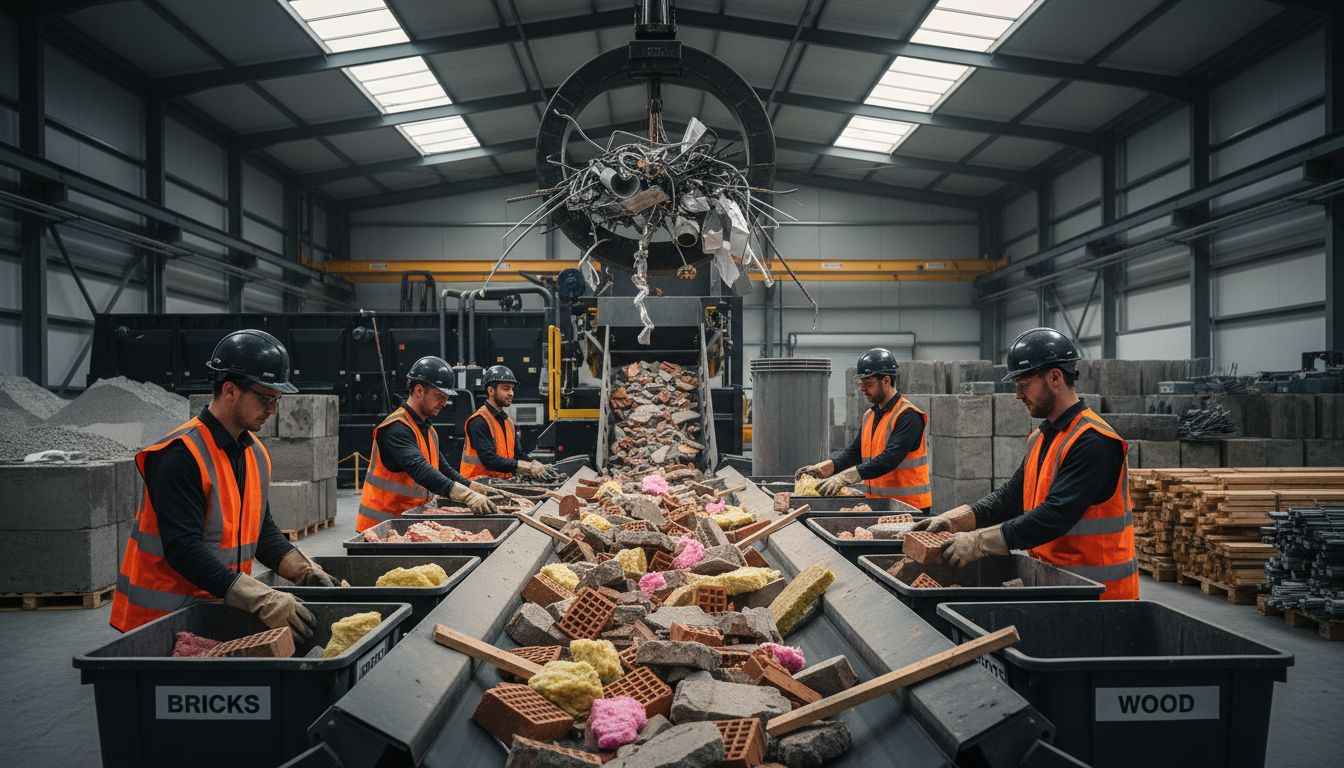
The recycling process varies significantly depending on the specific material. Concrete, for instance, undergoes a precise crushing and screening process. Highway construction projects frequently utilize recycled concrete aggregate, which can be processed into road base, landscaping materials, and new construction foundations. Metals like steel require melting and reformation, allowing nearly complete material recovery without compromising structural integrity.
Key steps in the construction material recycling process include:
- Collection: Gathering materials directly from construction, demolition, and renovation sites
- Sorting: Separating materials by type, quality, and potential for reuse
- Processing:
- Crushing concrete into aggregate
- Shredding metals for melting
- Chipping wood for mulch or engineered products
- Transformation: Converting processed materials into new construction or alternative products
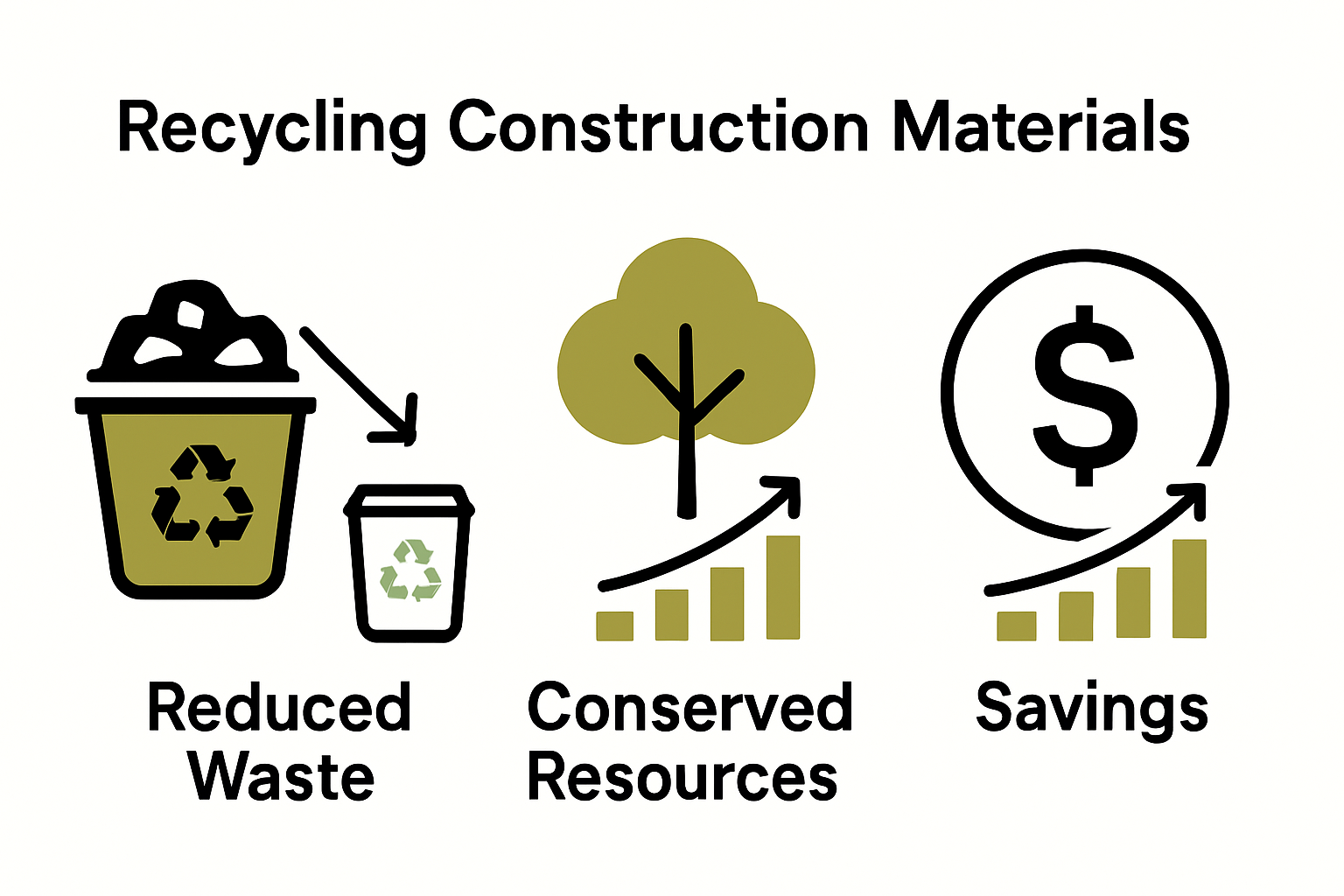
The environmental and economic benefits of this systematic approach are substantial. By repurposing construction materials, we dramatically reduce waste volume, conserve natural resources, and create a more sustainable approach to building and infrastructure development.
Massachusetts Laws and Local Regulations
Massachusetts has established comprehensive regulations to promote sustainable waste management and recycling in the construction industry. The Massachusetts Department of Environmental Protection (MassDEP) enforces strict waste disposal bans targeting specific materials to reduce landfill waste and encourage responsible recycling practices.
Construction waste regulations in Massachusetts are particularly stringent, requiring contractors and homeowners to segregate and recycle materials that were traditionally discarded. The state mandates the diversion of key recyclable materials, including asphalt pavement, brick, concrete, metal, and wood, from standard disposal streams. These regulations not only minimize environmental impact but also create economic incentives for sustainable construction practices.
Key aspects of Massachusetts construction material recycling regulations include:
- Mandatory Segregation: Separating recyclable materials at the source
- Disposal Restrictions: Prohibiting certain materials from entering landfills
- Reporting Requirements: Documenting waste management and recycling efforts
- Potential Penalties: Fines for non-compliance with waste management guidelines
Annual roof inspections in Massachusetts often include assessments of material disposal and recycling practices, highlighting the state’s commitment to sustainable construction. By implementing these regulations, Massachusetts continues to lead the way in environmentally responsible building practices, setting a standard for other states to follow.
Benefits, Costs, and Avoidable Mistakes
Recycling construction materials represents a strategic approach that delivers substantial economic and environmental advantages. The national impact is significant, with recycling and reuse activities generating 681,000 jobs and contributing $37.8 billion in wages, demonstrating the powerful economic potential of sustainable waste management practices.
Cost considerations play a crucial role in construction material recycling. While initial sorting and processing might seem expensive, long-term benefits dramatically outweigh upfront investments. Sustainable material management can reduce project expenses by minimizing disposal fees, generating revenue from recyclable materials, and potentially qualifying for environmental incentives.
Common mistakes contractors and homeowners should avoid include:
- Improper Sorting: Mixing recyclable materials, rendering them non-recyclable
- Inadequate Planning: Failing to integrate recycling strategies early in project design
- Contamination: Allowing non-recyclable materials to compromise potential recycling streams
- Overlooking Local Regulations: Ignoring specific municipal recycling requirements
Window contractors in Massachusetts understand that sustainable practices are not just environmentally responsible but economically smart. By implementing comprehensive recycling strategies, construction professionals can simultaneously reduce environmental impact and optimize project economics.
Make Your Construction Projects Fully Sustainable with Expert Help
The challenge of recycling construction materials is real and complex. From sorting concrete and wood to complying with Massachusetts recycling regulations it can feel overwhelming to manage waste responsibly while maintaining quality and budget. You want to avoid costly mistakes like improper sorting or contamination and benefit from sustainable material management that reduces disposal fees and supports environmental stewardship.
At Sabatalo Contracting & Home Improvement, we bring over 15 years of local expertise to help homeowners and property managers turn these challenges into opportunities. Our professional contracting services emphasize durability, efficiency, and compliance with Massachusetts rules so you can enhance your home exterior while practicing smart recycling strategies. Whether you need roofing, siding, window replacements, or a full exterior upgrade, we ensure your project is completed with integrity and environmental responsibility.
Explore how our trusted team combines craftsmanship with sustainability to protect your property and our community.
Ready to transform your next project into a model of eco-friendly construction?
Discover our full-service solutions today and start your journey toward smarter building practices.

Contact us now for a consultation and learn how expert contracting can help you meet local recycling regulations while upgrading your home with quality and care.
Frequently Asked Questions
What materials can be recycled in construction projects?
Concrete, steel, wood, asphalt, drywall, and brick are commonly recyclable construction materials. Their recyclability can vary, with concrete and steel being nearly 100% recyclable.
How do you properly recycle construction materials?
The recycling process typically involves collection, sorting, processing, and remanufacturing. Proper sorting is crucial to ensure materials are not contaminated and can be effectively recycled.
What are the environmental benefits of recycling construction materials?
Recycling construction materials reduces landfill waste, conserves natural resources, and lowers the environmental impact of construction practices, promoting a more sustainable approach to building and infrastructure development.
What are common mistakes to avoid when recycling construction materials?
Common mistakes include improper sorting of materials, inadequate planning for recycling strategies, contamination of recycling streams, and neglecting local recycling regulations.
Recommended
- How to Clean Siding on House: Easy Tips for a Fresh Look | Sabatalo Contracting
- How to Clean Siding on House: Easy Tips for a Fresh Look | Sabatalo Contracting
- Roof Replacement Process for Massachusetts Homeowners 2025 | Sabatalo Contracting
- Deck Contractors in Massachusetts | Sabatalo Contracting
- 8 Essential Camping Sustainability Tips for Nature Lovers – Hazli Collection
