Most American homeowners in Massachusetts are surprised to learn that over 75 percent of premature roof failures result from overlooked structural issues or misapplied installation methods. Facing New England’s unpredictable weather, homeowners must balance durability, energy efficiency, and the unique architectural demands of this region. By understanding the realities behind roof replacement and choosing trusted local contractors, you can make smart decisions to protect your investment and maximize comfort for years to come.
Table of Contents
- Roof Replacement Basics And Common Misconceptions
- Comparing Roofing Material Types And Benefits
- Durability, Energy Efficiency, And Weather Impact
- Legal Requirements And Permitting In Massachusetts
- Understanding Costs, Warranties, And Financing
- Mistakes To Avoid When Choosing A Roof
Key Takeaways
| Point | Details |
|---|---|
| Understand Roof Replacement Necessities | Complete removal of existing roofing layers is recommended to ensure structural integrity and proper installation. |
| Evaluate Roofing Material Options | Consider durability, energy efficiency, and long-term costs when selecting roofing materials suitable for Massachusetts’ climate. |
| Comply with Legal Requirements | Always secure necessary permits and consult local building codes to avoid financial penalties and ensure safety. |
| Be Aware of Common Mistakes | Avoid design flaws and improper installation practices by working with licensed professionals familiar with local conditions. |
Roof Replacement Basics and Common Misconceptions
Replacing a roof represents a significant home improvement project for Massachusetts homeowners, requiring careful understanding of structural complexities and regional considerations. Most residential roofs utilize wood framing techniques with specific architectural requirements unique to the Northeast climate. Roof framing fundamentals reveal critical details homeowners must understand before initiating any replacement project.
Common misconceptions often surround roof replacement, particularly regarding structural requirements and installation processes. Homeowners frequently misunderstand the necessity of completely removing existing roofing layers versus installing new materials directly over old ones. Professional roofing experts recommend complete removal to inspect underlying structural integrity, prevent potential moisture damage, and ensure proper installation. Modern roofing systems must account for specific wind uplift forces prevalent in Massachusetts, which means precise installation techniques become paramount for long-term performance and durability.
The roof replacement process involves several critical components beyond simple material selection. Proper framing, appropriate pitch considerations, and strategic flashing installation around roof penetrations determine overall system effectiveness. Timber rafters or engineered trusses form the foundational framework, with pitch variations depending on selected roofing materials and local aesthetic preferences. Domestic roof construction techniques demonstrate how regional climate significantly influences design choices, particularly in areas experiencing substantial temperature fluctuations and severe weather conditions.
Pro tip: Always schedule a professional roof inspection before replacement to identify hidden structural issues and develop a comprehensive replacement strategy that addresses both aesthetic and functional requirements.
Comparing Roofing Material Types and Benefits
Massachusetts homeowners face a complex decision when selecting roofing materials, with each option presenting unique advantages and challenges specific to the region’s demanding climate. Commercially available roofing materials offer diverse options ranging from traditional to cutting-edge solutions, each designed to address specific performance requirements.
Asphalt shingles remain the most prevalent roofing material in the United States, prized for their affordability and straightforward installation. However, Massachusetts homeowners should consider alternative materials that provide enhanced durability and weather resistance. Consumer roofing comparisons reveal that metal, slate, and tile roofing systems offer superior longevity and impact resistance, particularly important in regions experiencing severe temperature fluctuations and intense seasonal storms.
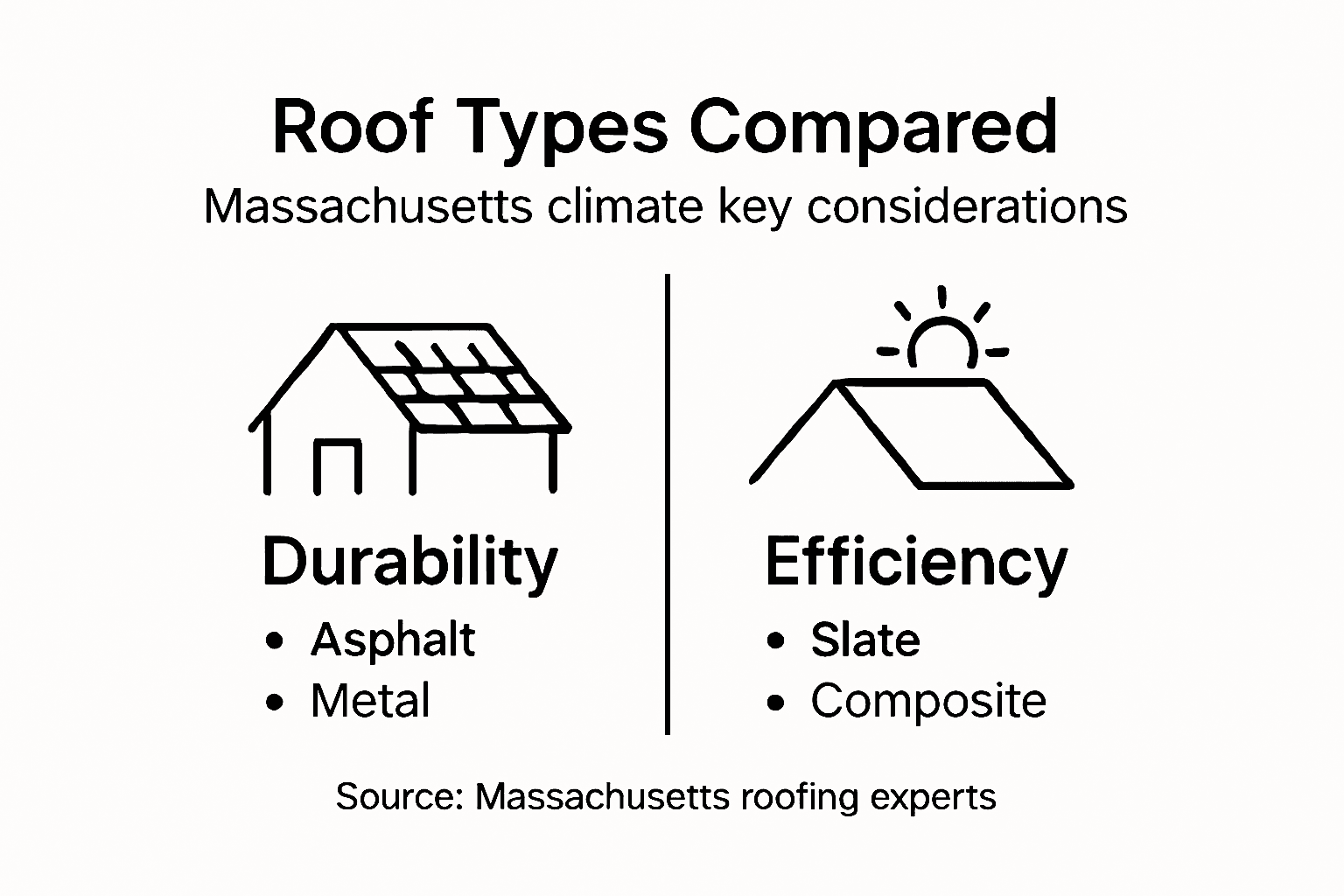
When evaluating roofing materials, homeowners must consider several critical factors beyond initial cost. Performance metrics like wind resistance, thermal efficiency, maintenance requirements, and expected lifespan become paramount. Different materials excel in specific areas: metal roofing provides exceptional durability and energy efficiency, slate offers unmatched aesthetic appeal and generational longevity, while composite materials deliver a balanced approach to performance and affordability. Regional building codes, architectural style, and personal budget will ultimately guide the final selection.
Pro tip: Request material samples and detailed performance data from local roofing professionals to conduct a comprehensive comparison that accounts for your specific home’s structural characteristics and regional weather challenges.
Here’s a concise comparison of popular roofing materials for Massachusetts homes:
| Material | Durability | Energy Efficiency | Cost Range |
|---|---|---|---|
| Asphalt Shingles | Moderate lifespan | Moderate heat control | $ |
| Metal | Excellent longevity | Superior thermal rating | $$-$$$ |
| Slate | Generational lifespan | Good insulating values | $$$$ |
| Composite | High durability | Balanced performance | $$ |
Durability, Energy Efficiency, and Weather Impact
Massachusetts homeowners face unique challenges when selecting roofing materials that can withstand the region’s extreme weather conditions while maintaining optimal energy performance. Energy efficiency in buildings plays a critical role in reducing overall energy consumption and protecting homes from environmental stressors.
The impact of roofing materials extends far beyond simple weather protection. Cool roof technologies have emerged as a game-changing solution for managing thermal performance. Cool roofing strategies demonstrate how highly reflective materials can significantly reduce roof surface temperatures, decreasing air conditioning demands and mitigating the urban heat island effect. These advanced roofing systems reflect more sunlight and absorb less heat, creating a more stable indoor environment and reducing energy costs throughout Massachusetts’ challenging seasonal transitions.
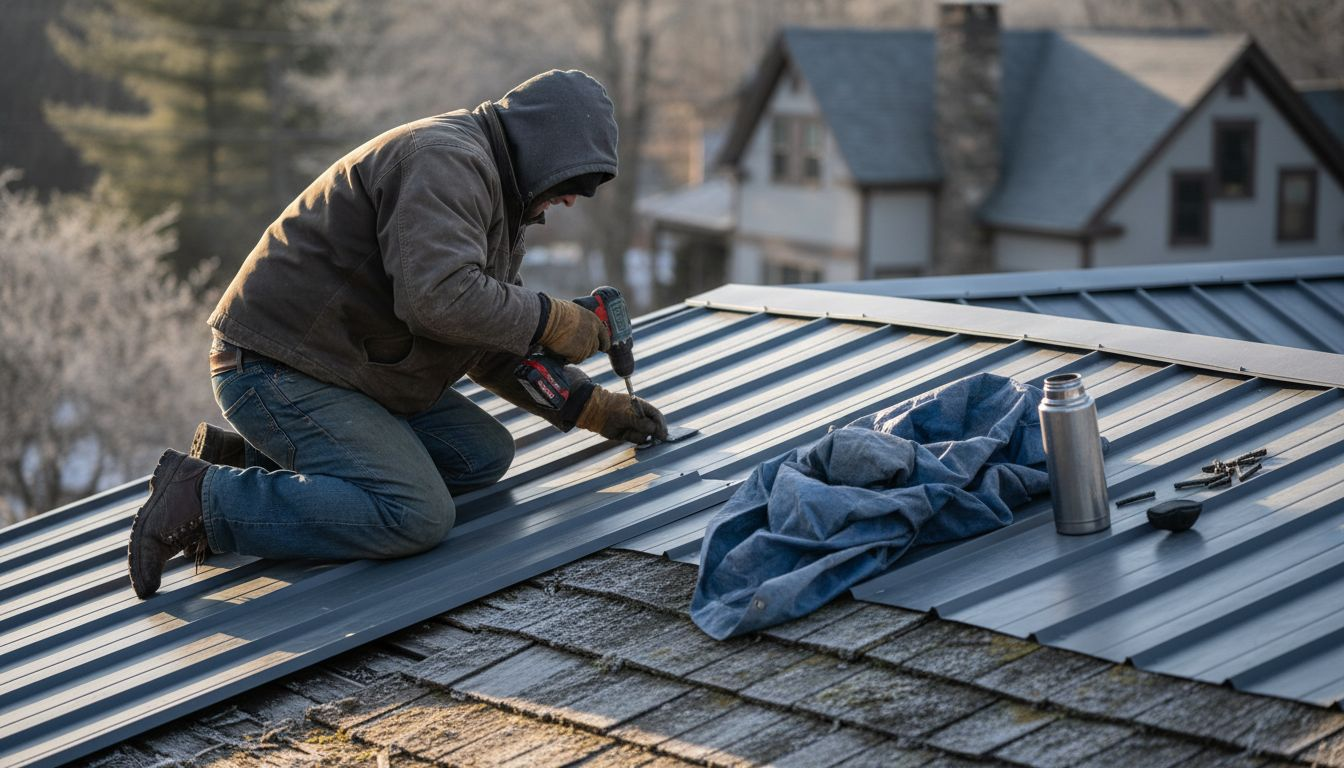
Durability becomes paramount when considering the region’s harsh weather patterns. Roofing materials must withstand dramatic temperature fluctuations, intense winter storms, heavy snowfall, and summer heat waves. Homeowners should prioritize materials that offer exceptional thermal resistance, minimal thermal expansion, and proven performance in extreme conditions. Metal roofing, slate, and advanced composite materials often provide superior durability, with each material offering unique benefits in terms of longevity, maintenance requirements, and energy efficiency.
Pro tip: Consult with local roofing professionals who understand Massachusetts-specific weather challenges to select materials that balance durability, energy efficiency, and long-term cost-effectiveness.
Legal Requirements and Permitting in Massachusetts
Roof replacement projects in Massachusetts involve complex legal requirements designed to protect homeowners and ensure construction safety. Massachusetts home improvement laws mandate specific regulations that homeowners and contractors must carefully navigate before beginning any roofing work, with strict protocols governing permits and professional licensing.
Obtaining the appropriate permits is not optional but a legal necessity for roof replacement projects. Boston permitting processes outline critical steps that include comprehensive plan reviews, code compliance verifications, and mandatory onsite inspections. Homeowners who bypass these requirements risk significant financial penalties, potential legal complications, and potential invalidation of home insurance coverage. Licensed contractors must possess a valid Construction Supervisor’s License, ensuring they meet rigorous professional standards set by state regulatory bodies.
The Massachusetts State Building Code serves as the primary regulatory framework for roof replacement projects. This comprehensive set of standards addresses critical aspects such as structural integrity, fire resistance, energy efficiency, and safety protocols. Specific requirements vary depending on the project’s scope, including factors like roof pitch, material selection, load-bearing considerations, and thermal performance. Municipalities may impose additional local regulations beyond state guidelines, making it essential for homeowners to consult with local building departments and licensed professionals who understand these nuanced requirements.
Pro tip: Always request documented proof of permits and licenses from your roofing contractor, and verify their credentials with local municipal authorities before initiating any roof replacement project.
Below is a summary of essential Massachusetts roof replacement legal requirements:
| Requirement | Who Is Responsible | Key Massachusetts Detail |
|---|---|---|
| Building Permit | Homeowner/Contractor | Mandatory for all roof projects |
| Code Compliance | Licensed Contractor | Includes wind and fire ratings |
| Inspector Validation | Local Municipality | Site visit before final approval |
Understanding Costs, Warranties, and Financing
Roof replacement represents a significant investment for Massachusetts homeowners, with costs varying dramatically based on multiple critical factors. Consumer roofing cost analyses reveal that material selection dramatically impacts overall project expenses, ranging from budget-friendly asphalt shingles to premium metal and slate options that offer extended durability.
Warranty coverage emerges as a crucial consideration in roof replacement planning. Different manufacturers offer varied warranty structures, with some protecting against material defects while others include comprehensive installation workmanship guarantees. Understanding these nuanced differences can protect homeowners from unexpected future expenses. Northeast energy financing provides innovative solutions that can help offset initial investment costs, offering competitive financing options specifically designed for energy-efficient home improvement projects.
Financing strategies have evolved to support homeowners seeking comprehensive roof replacement solutions. Energy efficiency incentive programs now provide attractive options that can cover up to 100% of project costs, enabling homeowners to invest in high-performance roofing systems that deliver long-term financial benefits. These programs consider not just immediate installation expenses, but potential energy savings over the roof’s lifetime, creating a more holistic approach to home improvement investments. Factors like thermal performance, material durability, and potential energy cost reductions become critical considerations beyond the initial price tag.
Pro tip: Request detailed, itemized quotes from multiple contractors and carefully compare warranty terms, exploring energy efficiency financing options that can reduce your overall project cost.
Mistakes to Avoid When Choosing a Roof
Replacing a roof represents a significant investment, and Massachusetts homeowners must navigate a complex landscape of potential pitfalls. Common roof construction errors reveal critical mistakes that can compromise roof performance, durability, and long-term structural integrity. Understanding these potential issues becomes paramount in making informed roofing decisions.
Design and material selection emerge as crucial factors where homeowners frequently make costly mistakes. Improper roof slope can lead to water ponding, inadequate ventilation might cause moisture buildup, and selecting materials unsuited to Massachusetts’ extreme weather conditions can drastically reduce roof lifespan. Roof construction guidelines emphasize the importance of professional design, highlighting that shortcuts in installation or material selection can result in significant structural failures and expensive future repairs.
Technical considerations extend beyond simple material choices. Critical errors include insufficient fastening techniques, ignoring manufacturer installation guidelines, failing to properly remove old roofing layers, and neglecting proper flashing installation around roof penetrations. These seemingly minor oversights can create major vulnerabilities, leading to leaks, reduced thermal performance, and premature roof degradation. Massachusetts’ varied climate demands meticulous attention to detail, with roofing systems needing to withstand dramatic temperature fluctuations, heavy snow loads, and potential wind damage.
Pro tip: Always consult with licensed local roofing professionals who understand Massachusetts-specific building requirements and can provide comprehensive assessments of your specific roofing needs.
Transform Your Massachusetts Home with Expert Roof Replacement Solutions
Choosing the right roof replacement option involves navigating complex decisions about durability, energy efficiency, and legal requirements. If you want to avoid common mistakes like improper installation or unsuitable material selection, trust local professionals who understand Massachusetts climate challenges and building codes. Sabatalo Contracting & Home Improvement brings over 15 years of experience delivering high-quality, long-lasting roofing systems tailored to your home’s needs.
Experience peace of mind with:
- Expert guidance on material choices including asphalt, metal, and composite roofing
- Full compliance with Massachusetts permit and inspection regulations
- Skilled installation focused on structural integrity and energy efficiency
Ready to protect your investment with craftsmanship and transparency? Explore our comprehensive roofing services at Roofing | Sabatalo Contracting.

Contact us today through Sabatalo Contracting for a personalized consultation. Don’t wait until small roofing issues turn into costly repairs. Take the first step toward securing your home’s future with trusted roofing experts.
Frequently Asked Questions
What are the key factors to consider when replacing a roof?
Homeowners should consider material selection, proper framing, roof pitch, and flashing installation to ensure the roof performs effectively and withstands local weather conditions.
Why is it recommended to remove existing roofing layers before installing a new roof?
Completely removing old roofing layers allows for a thorough inspection of the underlying structure, helps prevent moisture damage, and ensures the proper installation of new roofing materials.
What roofing materials are best suited for harsh weather conditions?
Metal, slate, and advanced composite materials offer superior durability and impact resistance, making them ideal for areas that experience severe weather fluctuations and storms.
How can homeowners finance roof replacement projects?
Innovative financing solutions, including energy efficiency incentive programs, can help offset initial costs by offering competitive financing options for energy-efficient roofing systems.
Recommended
-
- Roof Replacement Process for Massachusetts Homeowners 2025 | Sabatalo Contracting
- Professional Roofers: Raising Standards in Massachusetts | Sabatalo Contracting
- Roofing Contractors in Massachusetts | Sabatalo Contracting
- Annual Roof Inspections in Massachusetts: A 2025 Guide for Homeowners | Sabatalo Contracting
