Most American homes in Massachusetts face roof damage every twenty years, which means finding a trustworthy contractor is more important than ever. The unpredictable New England climate can put even the sturdiest roofs to the test, risking leaks and loss of curb appeal. This guide gives homeowners direct insight into what sets professional Massachusetts roofing contractors apart and how their expertise protects your investment for the long haul.
Table of Contents
- What Are Roofers Contractors in Massachusetts
- Major Roofing Types and Specializations
- Core Qualifications and Licensing Requirements
- Hiring Process and Contractual Obligations
- Warranty, Costs, and Legal Liabilities
Key Takeaways
| Point | Details |
|---|---|
| Specialized Skills Required | Roofers contractors in Massachusetts must possess extensive knowledge of roofing techniques and local regulations to ensure quality installations and compliance. |
| Rigorous Licensing | Contractors must meet strict state guidelines, demonstrating expertise and maintaining proper licensing to operate legally in Massachusetts. |
| Diverse Roofing Materials | Roofing projects often involve various materials like asphalt shingles and metal roofing, which offer different benefits suited to the region’s weather. |
| Contract Clarity Is Crucial | Homeowners should ensure contracts include detailed specifications, timelines, and warranty terms to protect against potential disputes and ensure project success. |
What Are Roofers Contractors in Massachusetts
Roofers contractors in Massachusetts are specialized professionals dedicated to installing, repairing, and maintaining residential and commercial roof systems. These skilled tradespeople possess extensive knowledge of roofing techniques, materials, and local building regulations specific to the Northeast region. Roofing contractors in Massachusetts represent a critical component of the construction and home improvement industry, ensuring structures remain protected from environmental challenges.
Typically, Massachusetts roofing contractors undergo rigorous training and certification processes mandated by state guidelines. The Massachusetts Division of Capital Asset Management and Maintenance establishes strict eligibility criteria that contractors must meet to qualify for public and private building projects. These requirements include demonstrating technical expertise, maintaining proper licensing, and adhering to safety standards that protect both workers and property owners.
Most roofing contractors in Massachusetts specialize in various services beyond basic roof installation. Their comprehensive skill set often includes roof inspections, leak detection, structural assessments, material selection consultation, and complete roof replacements. They work with diverse roofing materials suited to the region’s challenging climate, such as asphalt shingles, metal roofing, slate, and advanced synthetic options that can withstand harsh New England weather conditions.
Pro Tip: When hiring a roofing contractor in Massachusetts, always verify their state certifications and request a detailed written estimate that includes material specifications, labor costs, and projected project timeline.
Major Roofing Types and Specializations
Roofing contractors in Massachusetts work with a diverse range of roofing systems, each designed to meet specific architectural and environmental requirements. Roofing fundamentals reveal several key categories that define modern roofing specializations, including steep slope, multi-ply, metal, and single-ply roofing systems. These classifications represent different approaches to protecting structures from environmental challenges while providing unique aesthetic and functional benefits.
The most common roofing materials in Massachusetts include asphalt shingles, which remain popular for residential applications due to their cost-effectiveness and durability. Metal roofing has gained significant traction for both commercial and residential properties, offering exceptional longevity and energy efficiency. Commercially available roofing materials also encompass more specialized options like slate, which provides a premium, long-lasting solution particularly suited to historic New England homes, and synthetic materials that offer advanced performance characteristics.
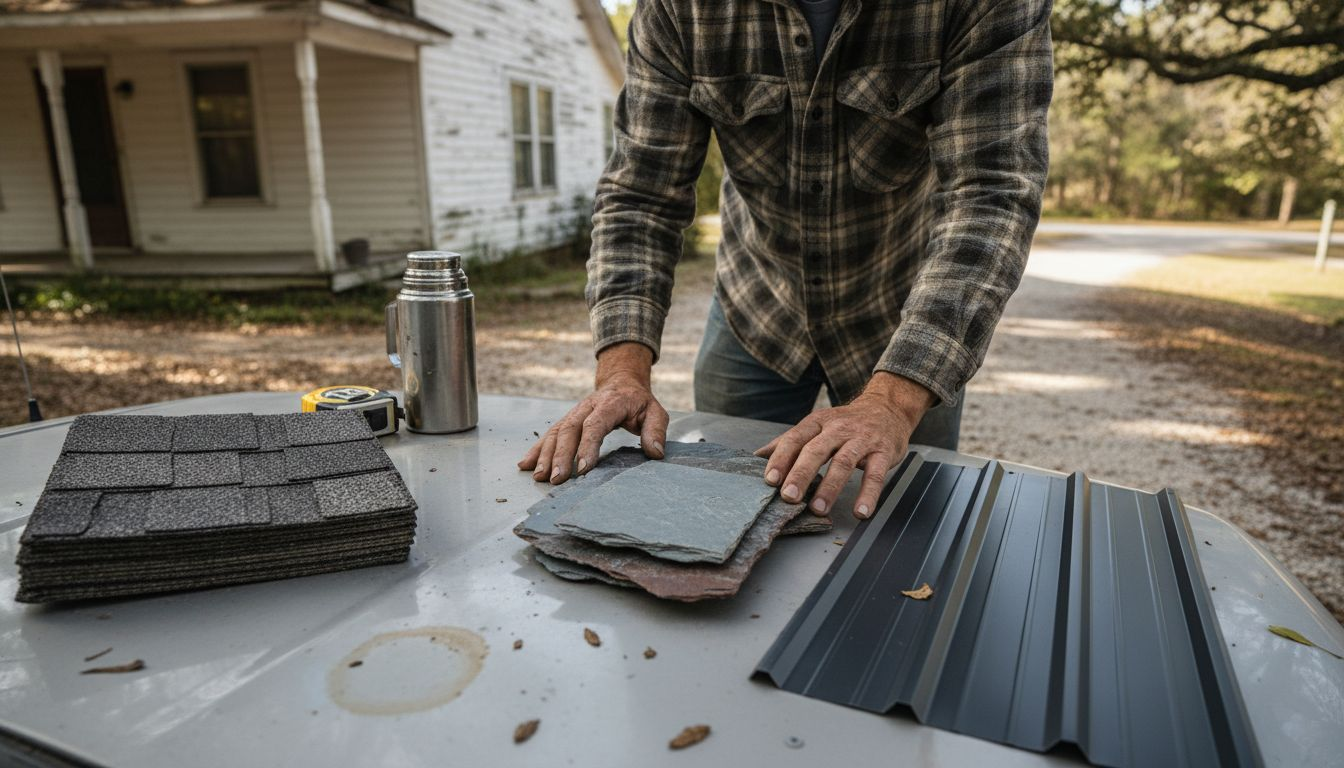
Advanced roofing specializations now include innovative solutions such as green roofs, which incorporate living vegetation, and solar-integrated roofing systems that generate renewable energy while protecting the structure. These modern approaches reflect a growing trend toward sustainable and multifunctional roofing solutions that go beyond traditional protective purposes. Contractors must possess specialized skills to implement these complex roofing systems, requiring ongoing training and expertise in cutting-edge installation techniques.
Here’s a quick comparison of popular roofing materials used in Massachusetts:
| Material | Durability | Energy Efficiency | Typical Usage |
|---|---|---|---|
| Asphalt Shingles | 20-30 years | Moderate | Most residential homes |
| Metal Roofing | 40-70 years | High | Residential & commercial |
| Slate | 50-100 years | High | Historic residences |
| Synthetic | 30-50 years | High | Modern, premium projects |
Pro Tip: When selecting a roofing system, consider not just initial cost, but long-term performance, energy efficiency, and maintenance requirements specific to Massachusetts’ challenging climate conditions.
Core Qualifications and Licensing Requirements
Roofing contractors in Massachusetts must navigate a complex landscape of professional qualifications and licensing requirements to legally operate within the state. Contractor licensing standards demand rigorous documentation, including proof of technical expertise, safety training, and compliance with state-specific regulations. These requirements ensure that roofing professionals meet high standards of professional competence and commitment to quality workmanship.
The licensing process involves multiple critical components, including comprehensive examinations that test both technical knowledge and business management skills. Contractors must demonstrate proficiency in areas such as construction techniques, safety protocols, building codes, and materials science. Additionally, they are required to provide evidence of financial stability, maintain appropriate insurance coverage, and pass background checks that verify their professional integrity and reliability.
Beyond basic licensing, many Massachusetts roofing contractors pursue advanced certifications that distinguish them in a competitive market. These specialized credentials often include OSHA safety certifications, manufacturer-specific installation training, and continuing education programs that keep professionals updated on emerging technologies and best practices. Licensing requirements are not just bureaucratic hurdles but essential mechanisms for protecting consumers and maintaining high industry standards across residential and commercial roofing projects.
Pro Tip: Always request and verify a roofing contractor’s current Massachusetts state license number and check their professional standing before signing any contract.
Hiring Process and Contractual Obligations
Selecting a roofing contractor in Massachusetts requires a comprehensive understanding of contract interpretation principles that protect both homeowners and professionals. The hiring process involves multiple critical steps designed to establish clear expectations, define project scope, and ensure legal compliance. Homeowners must carefully evaluate potential contractors based on their technical qualifications, professional reputation, and ability to articulate precise contract terms.
A robust roofing contract should comprehensively outline several key components, including detailed project specifications, material descriptions, exact pricing structures, project timelines, and specific warranty information. Legal contract requirements mandate that both parties provide mutual assent and consideration, ensuring that each side understands their obligations and potential remedies in case of disagreement. Critical elements to include are precise measurement of roofing area, specific material brands and grades, estimated project duration, payment schedules, and clauses addressing potential unexpected complications.
Beyond the written agreement, homeowners should conduct thorough background checks on potential roofing contractors. This includes verifying licensing credentials, reviewing past project portfolios, checking professional references, and examining customer testimonials. Documentation such as proof of insurance, worker’s compensation coverage, and detailed written estimates provide additional layers of protection and transparency. Successful roofing contracts create a framework of mutual trust, clearly defined expectations, and legal protections that minimize potential disputes and ensure high-quality project completion.
Key elements to review before signing any roofing contract:
| Contract Element | Why It’s Essential | What to Look For |
|---|---|---|
| Scope of Work | Defines what is included | Specific materials and labor details |
| Project Timeline | Sets completion expectations | Realistic start and finish dates |
| Warranty Terms | Covers future issues | Length and coverage scope stated |
| Payment Schedule | Outlines financial commitments | Clear milestones, no lump sums |
Pro Tip: Always request a comprehensive written contract that includes detailed scope of work, exact material specifications, total project cost, payment schedule, and explicit warranty terms before signing any roofing agreement.
Warranty, Costs, and Legal Liabilities
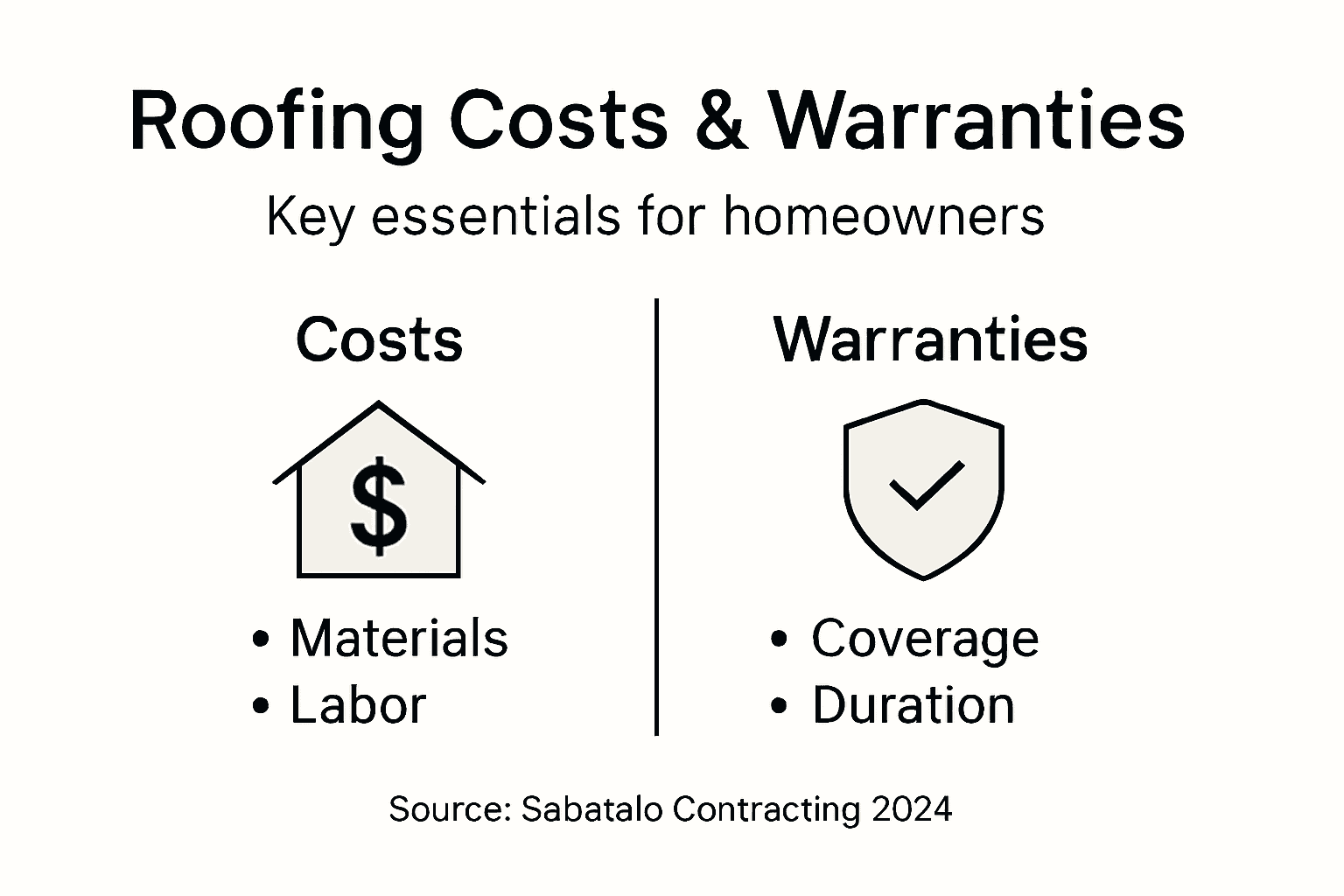
Roofing projects in Massachusetts involve complex financial considerations and legal protections that homeowners must carefully understand. Warranty fundamentals establish critical safeguards that protect consumers from potential defects in materials and workmanship. Typical roofing warranties cover different aspects of the project, including manufacturer material warranties, which typically range from 20 to 50 years, and contractor workmanship warranties that often span 2 to 10 years depending on the specific agreement.
The financial landscape of roofing projects encompasses multiple cost components, including material expenses, labor charges, disposal fees, and potential structural preparation or repair work. Construction law principles mandate transparent pricing structures that clearly delineate potential additional costs, change order procedures, and contingency provisions. Homeowners should anticipate total project costs that can range from $5,000 to $25,000, depending on roof size, complexity, material selection, and any necessary structural repairs or modifications.
Legal liabilities in roofing contracts represent a critical protection mechanism for both contractors and homeowners. Contractors must maintain comprehensive insurance coverage, including general liability and worker’s compensation, to protect against potential accidents or property damage. Homeowners are advised to verify these coverages and understand the specific terms of liability, including circumstances under which the contractor might be responsible for subsequent damages or performance issues. Detailed documentation, including precise contract language, photographic evidence, and clear communication, serve as essential tools in managing potential legal disputes.
Pro Tip: Request a comprehensive written breakdown of all warranty terms, including exact coverage periods, specific conditions, and the process for filing warranty claims before finalizing your roofing contract.
Protect Your Home with Expert Roofing Solutions from Sabatalo Contracting
Choosing the right roofing contractor in Massachusetts is critical for ensuring a safe durable home that withstands harsh weather while offering energy efficiency and long-lasting protection. The article highlights how licensing requirements warranties and specialized roofing materials are essential factors that homeowners must consider. At Sabatalo Contracting you gain the advantage of over 15 years of local expertise combined with a commitment to integrity transparency and quality craftsmanship. Our team not only meets but exceeds licensing standards offering comprehensive roofing services tailored to your specific needs.
Explore our full range of professional roofing services at Roofing | Sabatalo Contracting to find solutions that fit your budget and protect your investment. From routine repairs to full roof replacements Sabatalo Contracting ensures clear contracts detailed estimates and robust warranty coverage. Visit our main website Sabatalo Contracting & Home Improvement to see why countless homeowners trust us to enhance their home’s protection and curb appeal.
Ready to secure your home with expert craftsmanship that stands the test of time

Request your free consultation today and experience the peace of mind that comes with partnering with Massachusetts’ trusted roofing professionals. Contact us now to get started and protect what matters most.
Frequently Asked Questions
What are the primary services offered by roofing contractors?
Roofing contractors typically offer installation, repair, maintenance, roof inspections, leak detection, and complete roof replacements.
What types of roofing materials are commonly used in residential projects?
Common roofing materials include asphalt shingles, metal roofing, slate, and synthetic options, each selected based on durability, cost, and energy efficiency.
How can I ensure that my roofing contractor is qualified and licensed?
Check for the contractor’s state licensing credentials, request proof of their technical expertise, and verify their insurance coverage before hiring.
What should a roofing contract include to protect both homeowners and contractors?
A roofing contract should clearly outline the scope of work, material specifications, project timelines, payment schedules, and warranty information to ensure mutual understanding and protection.
