
Cold drafts and rising energy bills can leave Massachusetts homeowners searching for practical solutions that also look great. Choosing Energy Star certified exterior doors is a smart way to tackle both comfort and costs, with products independently verified by the U.S. Environmental Protection Agency to meet tough performance standards. This guide walks you through the benefits, material options, and features that make these doors a standout choice for maximizing insulation and creating a more appealing entryway.
Table of Contents
- Energy Star Exterior Doors Explained
- Types And Styles For Massachusetts Homes
- Essential Features For Maximum Efficiency
- Performance Ratings: U-Factor, SHGC, Air Leakage
- Costs, Tax Credits, And Common Mistakes
Key Takeaways
| Point | Details |
|---|---|
| Energy Star Certified Doors | These doors offer significant energy savings and are rigorously tested for performance across various climates. |
| Material Selection Matters | Choose from fiberglass, steel, or wood doors based on durability, maintenance, and aesthetic compatibility with Massachusetts homes. |
| Understand Performance Ratings | Focus on U-factor, Solar Heat Gain Coefficient (SHGC), and air leakage ratings to ensure optimal energy efficiency. |
| Financial Incentives | Take advantage of federal tax credits and utility rebates to lower the cost of energy-efficient door upgrades. |
Energy Star Exterior Doors Explained
Massachusetts homeowners understand the critical role exterior doors play in maintaining home comfort and energy efficiency. Energy Star certified exterior doors represent a strategic investment in reducing energy consumption and lowering utility bills. Energy efficient doors are independently tested and verified by the U.S. Environmental Protection Agency to meet rigorous performance standards across different climate zones.
Energy Star exterior doors are distinguished by several key performance characteristics that set them apart from standard doors:
- Thermal Insulation: Engineered to minimize heat transfer between interior and exterior environments
- Air Leakage Prevention: Advanced sealing technologies reduce unwanted drafts
- Material Efficiency: Constructed with high-performance materials like fiberglass, steel, and wood composites
- Climate Zone Specific: Designed to meet specific regional energy performance requirements
The National Fenestration Rating Council evaluates these doors using precise metrics like U-factor and Solar Heat Gain Coefficient (SHGC). Performance ratings help consumers understand how effectively a door manages heat transfer and solar radiation. Lower U-factor values indicate better insulation, while optimal SHGC ratings help manage solar heat gain during different seasons.
Pro tip: When selecting an Energy Star exterior door, always verify the specific performance ratings for your Massachusetts climate zone to maximize energy savings and home comfort.
Types and Styles for Massachusetts Homes
Massachusetts homeowners have several compelling exterior door options that balance aesthetic appeal, durability, and energy efficiency. Steel door construction offers unique advantages for homes facing challenging New England weather conditions, providing robust protection and design flexibility. Exterior door materials play a critical role in determining a home’s thermal performance, security, and long-term maintenance requirements.
Three primary door material types dominate the Massachusetts residential market:
- Fiberglass Doors
- Superior insulation properties
- Minimal maintenance requirements
- Resistant to warping, cracking, and rust
- Available in wood-grain textures mimicking traditional designs
- Steel Doors
- Exceptional security features
- Affordable pricing
- High durability in extreme weather conditions
- Multiple design and finish options
- Wood Doors
- Classic architectural aesthetic
- Customizable design possibilities
- Requires more frequent maintenance
- Best for traditional Massachusetts home styles
Selecting the right exterior door involves considering multiple factors specific to Massachusetts climate and architectural preferences. Consumer door buying guides recommend evaluating insulation performance, material durability, and aesthetic compatibility with your home’s existing design. Regional weather challenges like cold winters and humidity fluctuations make material selection particularly crucial for Massachusetts homeowners.
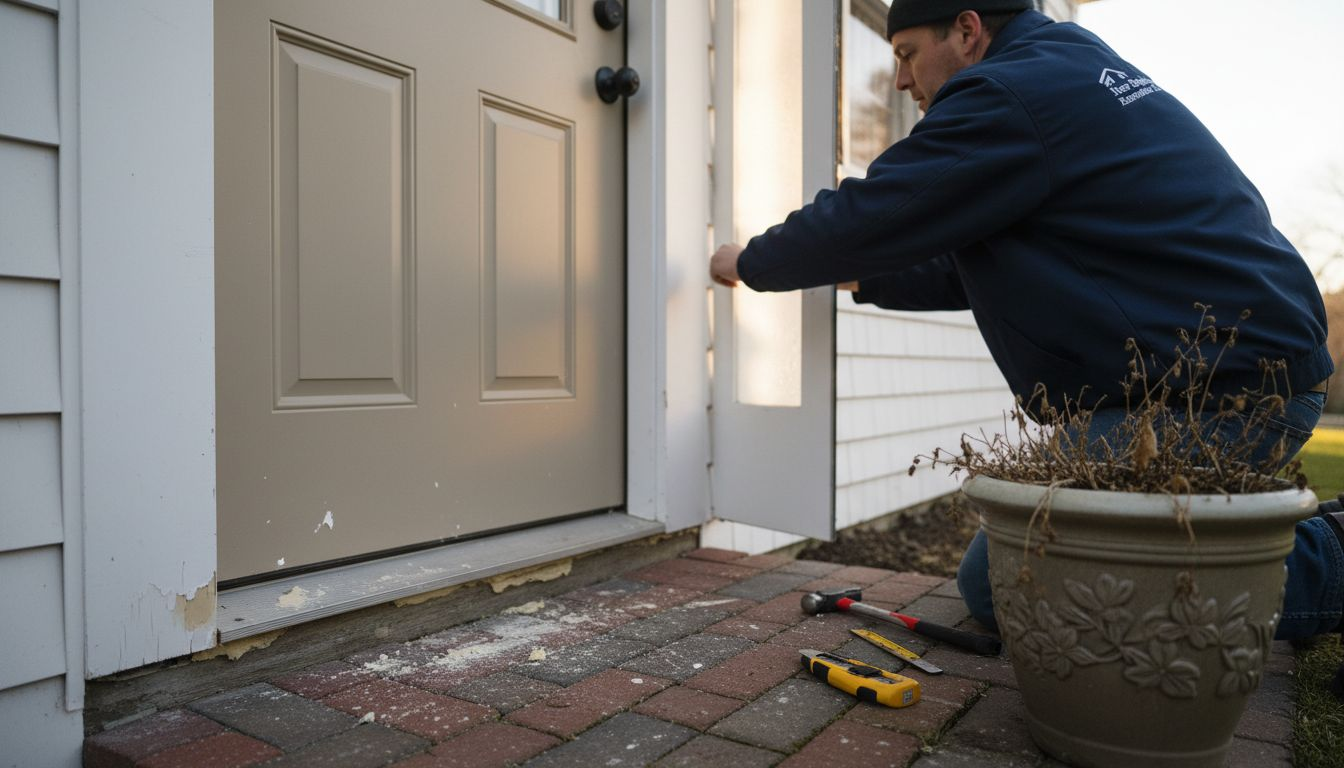
Here’s a summary of how the main exterior door materials compare for Massachusetts homes:
| Material Type | Durability | Maintenance Needs | Best Climate Benefit |
|---|---|---|---|
| Fiberglass | High | Low | Withstands humidity |
| Steel | Very High | Low | Handles extreme cold |
| Wood | Moderate | High | Suits traditional homes |
Pro tip: Prioritize doors with multi-point locking systems and professional installation to maximize energy efficiency and security for your Massachusetts home.
Essential Features for Maximum Efficiency
Energy-efficient exterior doors are sophisticated systems designed to combat heat loss and enhance home comfort in challenging Massachusetts climates. Energy-efficient door features represent a critical investment for homeowners seeking to reduce energy consumption and minimize utility expenses. Understanding the technical components that contribute to superior thermal performance is key to making an informed purchasing decision.
Key efficiency-enhancing features include:
- Weatherstripping
- Seals all movable door joints
- Prevents air infiltration
- Reduces drafts and heat loss
- Maintains consistent indoor temperature
- Insulated Core Technology
- Provides thermal barrier
- Minimizes heat transfer
- Improves overall R-value
- Enhances interior comfort
- Thermal Break Design
- Interrupts heat conductivity
- Separates interior and exterior materials
- Reduces energy transfer
- Prevents temperature equalization
Professional Energy Star certification ensures that exterior doors meet rigorous performance standards tailored to specific climate zones. Massachusetts homeowners should prioritize doors with interlocking or overlapping joints, which create additional barriers against air infiltration and temperature fluctuations. Advanced door technologies now incorporate multi-layered construction techniques that dramatically improve thermal resistance and overall energy efficiency.
Pro tip: Request professional thermal performance measurements during door installation to ensure maximum energy efficiency and optimal home comfort.
Performance Ratings: U-Factor, SHGC, Air Leakage
Energy performance ratings are critical metrics that help Massachusetts homeowners understand the thermal efficiency of their exterior doors. Energy performance ratings provide a scientific approach to measuring how well doors manage heat transfer, solar radiation, and air movement. These technical measurements translate directly into real-world energy savings and home comfort.
Three key performance metrics define exterior door efficiency:
- U-Factor
- Measures heat transfer rate
- Lower values indicate better insulation
- Ranges typically between 0.20-1.20
- Critical for Massachusetts winter performance
- Solar Heat Gain Coefficient (SHGC)
- Indicates solar radiation admitted
- Values range from 0 to 1
- Lower SHGC reduces summer heat absorption
- Helps manage indoor temperature
- Air Leakage Rating
- Measures air movement through door assembly
- Lower values indicate tighter seals
- Typically measured in cubic feet per minute
- Directly impacts heating and cooling efficiency
Understanding these ratings allows homeowners to make informed decisions about exterior door investments. Lower U-factor values mean better insulation, while reduced air leakage ratings prevent drafts and temperature fluctuations. Climate-specific ratings ensure that Massachusetts homeowners select doors optimized for their unique regional weather conditions.
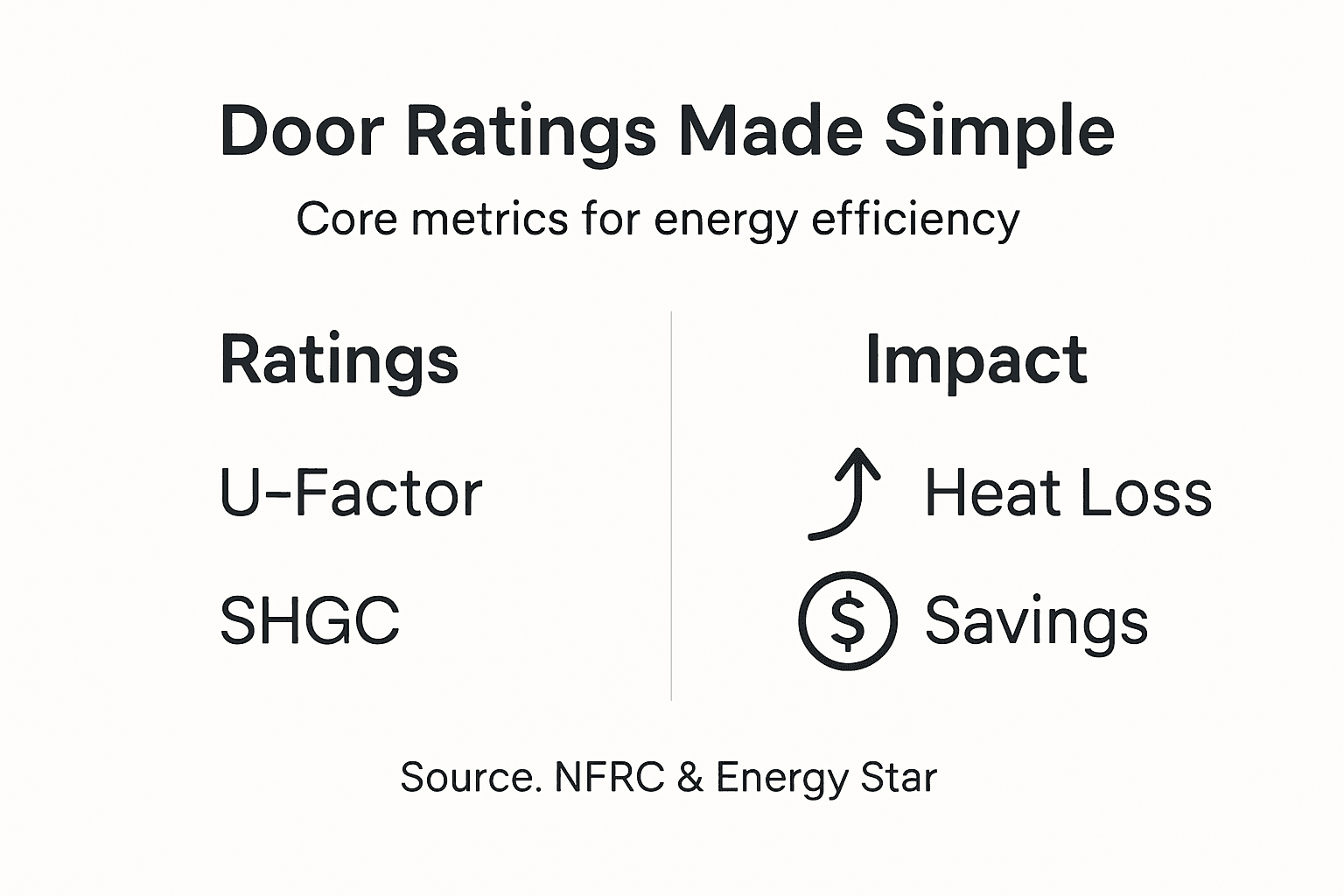
Pro tip: Request detailed performance rating documentation from manufacturers to compare door efficiency precisely and make the most informed purchasing decision.
Costs, Tax Credits, and Common Mistakes
Navigating the financial landscape of Energy Star exterior doors requires understanding both potential savings and potential pitfalls. Federal tax credits offer Massachusetts homeowners significant financial incentives for upgrading to energy-efficient door solutions. Smart homeowners can leverage these programs to offset initial investment costs while improving home performance.
Key financial considerations include:
- Federal Tax Credit
- 30% of product cost
- Maximum $500 total credit
- $250 annual limit per door
- Valid through December 31, 2025
- Utility Rebates
- Additional local incentives
- Varies by utility provider
- Can supplement federal credits
- Reduces upfront installation expenses
- Long-Term Savings
- Reduced energy bills
- Improved home comfort
- Enhanced property value
- Lower heating and cooling costs
Common mistakes can significantly impact tax credit eligibility and overall investment value. Energy Star certification requirements mandate precise documentation and product selection. Homeowners must ensure they maintain detailed records, select climate-zone appropriate doors, and follow exact IRS filing procedures to maximize their financial benefits.
The table below outlines key financial incentives and common mistakes when upgrading to Energy Star doors:
| Incentive/Challenge | What It Means | Homeowner Action Needed |
|---|---|---|
| Federal Tax Credit | 30% of cost, up to $500 | Submit IRS forms and keep records |
| Utility Rebate | Local provider offers rebate | Research and apply through utility |
| Tax Credit Mistakes | Incomplete documentation | Keep all receipts, follow IRS steps |
| Wrong Door Selection | Not climate-appropriate | Verify Energy Star climate rating |
Pro tip: Consult a tax professional and retain all product documentation to ensure you successfully claim your energy-efficient door tax credits.
Upgrade to Energy Star Exterior Doors for Lasting Comfort and Savings
Many Massachusetts homeowners face the challenge of high energy bills and drafty entrances. The article breaks down key solutions like Energy Star certification, thermal insulation, and air leakage prevention to help you achieve better home comfort and reduce energy costs. If you are looking to boost your home’s efficiency while enhancing curb appeal it is essential to choose the right door material and professional installation.
At Sabatalo Contracting & Home Improvement, we bring over 15 years of local expertise to deliver expert exterior door upgrades tailored for Massachusetts climates. Our Doors | Sabatalo Contracting services include Energy Star compliant options with insulated cores and high-performance weatherstripping designed to keep your home cozy all year round. Trust our craftsmanship and top-quality materials to protect your home and boost energy savings.

Don’t wait to make your home more comfortable and energy-efficient. Visit Sabatalo Contracting today to get a free quote or consultation. Discover how our customized exterior door solutions can lower your utility bills and increase property value in Massachusetts. Explore our Siding | Sabatalo Contracting services to complement your exterior upgrades and enhance your home’s overall energy performance.
Frequently Asked Questions
What are Energy Star exterior doors?
Energy Star exterior doors are energy-efficient doors that meet rigorous performance standards set by the U.S. Environmental Protection Agency, designed to minimize energy consumption, reduce utility bills, and improve home comfort.
How do I choose the best exterior door material for energy efficiency?
Consider materials like fiberglass, steel, and wood. Fiberglass offers superior insulation and low maintenance, steel provides exceptional durability and security, while wood offers aesthetic appeal but requires more maintenance.
What features enhance the energy efficiency of exterior doors?
Key features include weatherstripping to prevent drafts, insulated core technology for better thermal barriers, and thermal break designs that minimize heat transfer. Selecting doors with these features can significantly improve energy efficiency.
How do U-factor and SHGC ratings affect door performance?
The U-factor measures heat transfer through the door; lower values indicate better insulation. The Solar Heat Gain Coefficient (SHGC) measures solar radiation admitted; a lower SHGC helps manage indoor temperature, especially during summer. Understanding these ratings helps in choosing a door that suits your climate needs.
Recommended
-
- Exterior Doors in Massachusetts | Sabatalo Contracting
- New Energy Efficient Windows: Lower Bills, Enhanced Comfort | Sabatalo Contracting
- 7 Essential Door Installation Tips for Massachusetts Homeowners | Sabatalo Contracting
- Energy Efficient Impact Windows: Savings and Protection | Sabatalo Contracting
