
Facing drafty rooms or rising energy bills is a familiar challenge for many Massachusetts homeowners, especially as windows age and lose their ability to protect against the elements. Choosing the right window replacement not only improves comfort and curb appeal but also contributes to long-term savings. With a range of styles and materials designed for the local climate, expert guidance can help you achieve a balance of durability, modern aesthetics, and energy efficiency in your home.
Table of Contents
- Defining Home Window Replacement Locally
- Types of Replacement Windows and Styles
- Step-by-Step Window Replacement Process
- Energy Efficiency Upgrades and Rebates
- Comparing Costs and Warranty Options
- Avoiding Common Mistakes and Pitfalls
Key Takeaways
| Point | Details |
|---|---|
| Home Energy Efficiency | Energy-efficient window upgrades can substantially lower heating and cooling costs for Massachusetts homeowners. |
| Window Styles and Materials | Homeowners should consider various window styles and frame materials to match their aesthetic and functional needs. |
| Replacement Process | A comprehensive evaluation and professional installation are critical for successful window replacement. |
| Warranty and Cost Analysis | Understanding warranty options and conducting a cost-benefit analysis will ensure long-term satisfaction with window upgrades. |
Defining Home Window Replacement Locally
Home window replacement in Massachusetts involves strategically updating or completely replacing existing home windows to enhance energy efficiency, comfort, and property aesthetics. Homeowners typically choose this home improvement project to address aging window systems that no longer provide adequate thermal protection or visual appeal. Energy-efficient window upgrades can significantly reduce heating and cooling expenses while improving overall home performance.
Window replacement involves multiple approaches depending on existing window condition and homeowner goals. Residents can select from several installation methods, including retrofitting windows into existing frames or performing full window assembly replacement. Massachusetts climate demands windows that can withstand significant temperature variations, making frame material and installation quality critical considerations. Wood frames with vinyl or aluminum exterior cladding, composite materials, and fiberglass options each offer unique advantages for local homeowners seeking durable solutions.
Local window replacement strategies focus on addressing specific regional challenges. Massachusetts homes require windows that provide excellent insulation against cold winters and moderate summer temperatures. Proper window selection involves evaluating factors like frame durability, glass technology, and installation precision. Homeowners should consider professional assessment to determine whether complete replacement or targeted updates will best serve their property’s energy efficiency and comfort needs.
Pro tip: Schedule a professional window assessment during shoulder seasons like early spring or late fall when contractors have more availability and can provide comprehensive evaluations without peak season pricing pressures.
Types of Replacement Windows and Styles
Massachusetts homeowners have diverse options when selecting replacement windows, with styles ranging from traditional double-hung configurations to modern specialty designs. Window performance classifications help homeowners understand the technical capabilities of different window types, ensuring they choose solutions that match their specific residential requirements. Each window style offers unique functional and aesthetic benefits tailored to different architectural preferences and environmental conditions.
The primary replacement window styles include double-hung, casement, sliding, awning, and fixed windows. Double-hung windows remain most popular in Massachusetts, featuring two sashes that slide vertically, allowing flexible ventilation and easy cleaning. Casement windows, which open outward like a door, provide excellent air circulation and tight sealing against drafts. Sliding windows work well in contemporary home designs, offering smooth horizontal movement and unobstructed views. Awning windows, hinged at the top and opening outward, excel in providing ventilation while preventing rain entry, making them ideal for regions with variable weather patterns.
Frame materials significantly impact window performance and longevity. Window technologies offer diverse options including vinyl, wood, fiberglass, composite, and metal frames. Vinyl frames provide excellent thermal insulation and low maintenance, while wood frames offer traditional aesthetic appeal. Fiberglass and composite materials combine durability with superior energy efficiency, making them increasingly popular among Massachusetts homeowners seeking long-term value and performance.
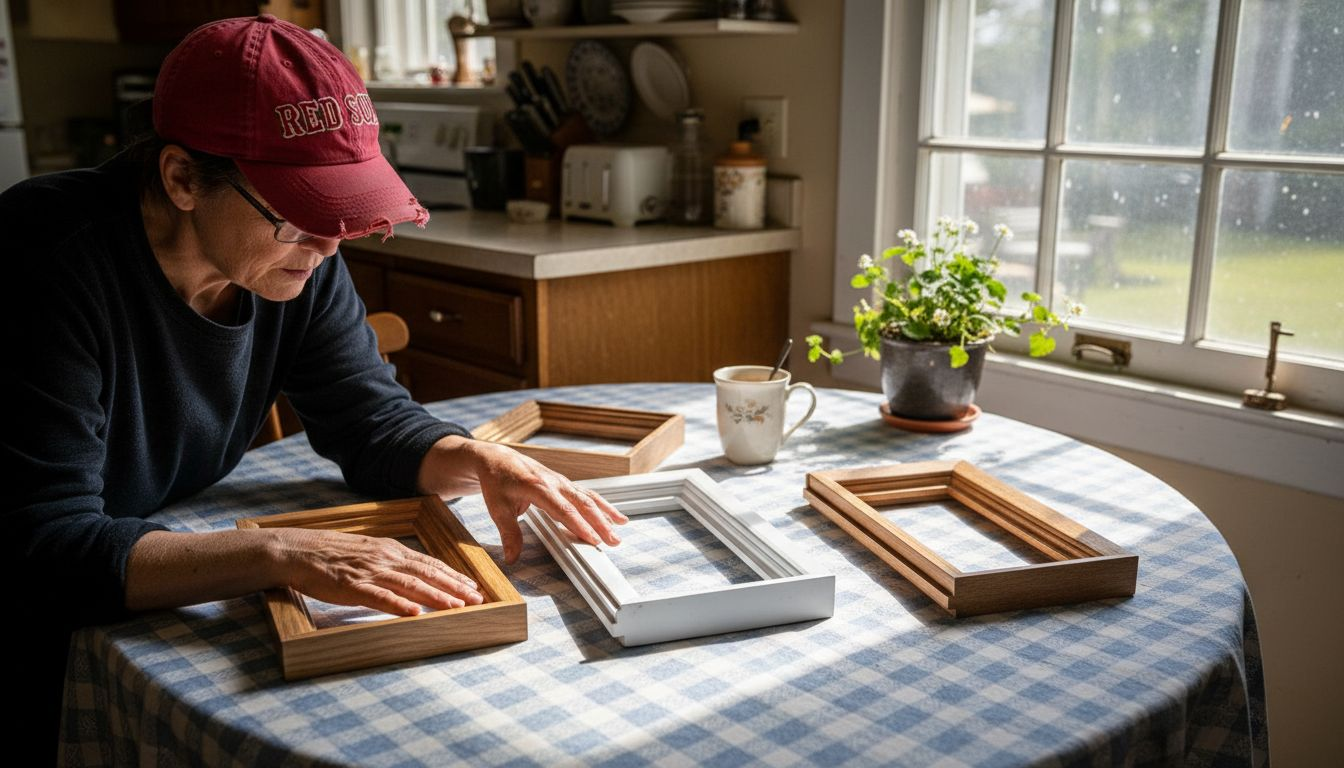
Here’s a comparison of popular replacement window styles and their key advantages:
| Window Style | Ventilation Type | Weather Protection | Best Use |
|---|---|---|---|
| Double-Hung | Vertical sliding sashes | Moderate draft control | Traditional homes |
| Casement | Outward swinging opening | Excellent against drafts | Enhanced airflow areas |
| Sliding | Horizontal sliding panes | Good for rain resistance | Modern/home additions |
| Awning | Hinged at top, opens out | Superior rain protection | Bathrooms, kitchens |
| Fixed | No opening mechanism | High efficiency, sealed | Views, non-ventilated |
Pro tip: Consider scheduling window consultations during shoulder seasons when contractors have more availability and can provide comprehensive assessments without peak pricing pressures.
Step-by-Step Window Replacement Process
Window replacement in Massachusetts involves a comprehensive process that requires careful planning and professional execution. Window replacement steps begin with a thorough evaluation of existing windows, assessing their current condition, energy efficiency, and potential need for complete replacement. Homeowners must carefully consider factors such as window age, structural integrity, thermal performance, and overall home comfort before initiating the replacement project.
The initial stages of window replacement demand precise measurements and professional assessment. Contractors will conduct a detailed inspection of existing window frames, checking for signs of water damage, wood rot, or structural compromise. This evaluation helps determine whether a full replacement or targeted repair is most appropriate. Measurement accuracy is critical, as even slight miscalculations can lead to improper fitting, potential air leaks, and reduced energy efficiency. Homeowners should expect professional installers to take multiple precise measurements to ensure a perfect fit for new windows.
Residential window permit requirements play a significant role in the replacement process, particularly in Massachusetts where local building codes can be stringent. Depending on the extent of window modifications, homeowners may need to obtain specific permits before installation. The actual replacement process involves carefully removing existing windows, preparing the window opening, installing new window units, and ensuring proper sealing and insulation. Professional installers will typically handle detailed tasks like shimming, leveling, and creating an airtight seal to prevent drafts and moisture intrusion.
Pro tip: Request a comprehensive written estimate that includes detailed measurements, specific window specifications, total project timeline, and a clear breakdown of all potential additional costs before beginning your window replacement project.
Energy Efficiency Upgrades and Rebates
Massachusetts homeowners can significantly reduce energy costs through strategic window upgrades that leverage advanced technologies and financial incentives. ENERGY STAR certified windows offer substantial benefits, potentially lowering household energy bills by up to 13% while simultaneously reducing greenhouse gas emissions. These high-performance windows are designed to provide superior thermal insulation and create more comfortable living environments across diverse seasonal conditions.
Window energy efficiency depends on multiple technical features that impact overall performance. Modern windows incorporate advanced technologies like multiple glass panes, inert gas fills, low-E coatings, and specially designed insulated frames to minimize heat transfer. Energy-efficient window technologies enable homeowners to achieve annual energy savings ranging from 7% to 15%, with precise performance measured through specialized ratings like U-Factor and Solar Heat Gain Coefficient. Massachusetts residents should carefully evaluate these technical specifications when selecting replacement windows to maximize energy conservation potential.
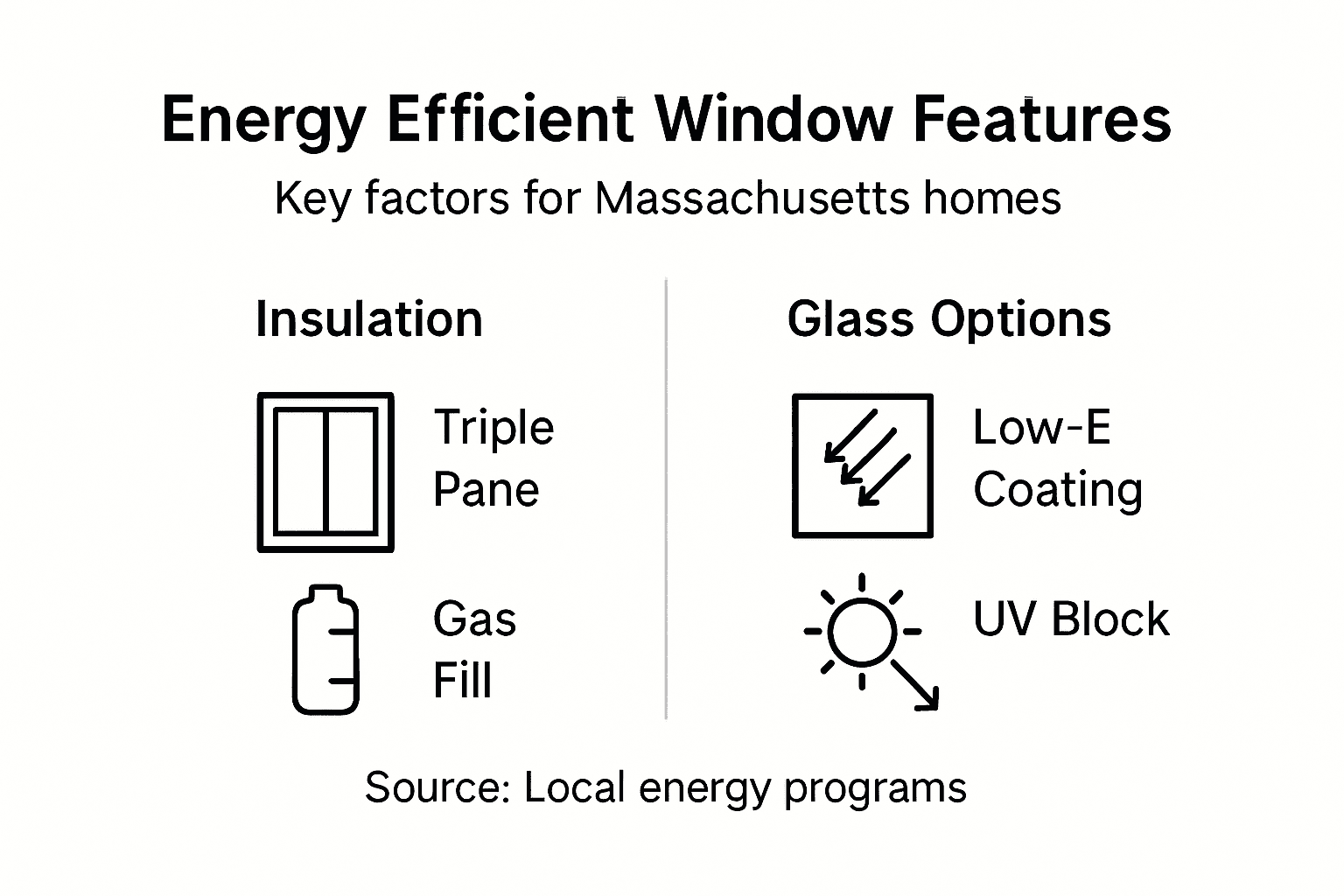
Here’s a quick reference for key energy efficiency ratings used in window selection:
| Rating Name | Measures | Preferred Value Range |
|---|---|---|
| U-Factor | Heat transfer efficiency | 0.20 – 0.30 (lower is better) |
| Solar Heat Gain Coefficient | Solar radiation admission | 0.25 – 0.40 (lower minimizes heat) |
| ENERGY STAR Certification | Overall performance standard | Must meet regional criteria |
Financial incentives play a crucial role in making energy-efficient window upgrades more accessible. Utility companies, state agencies, and federal programs offer various rebates and tax credits to offset installation costs. Homeowners can explore options through local utility providers, state energy offices, and federal tax credit programs that encourage residential energy efficiency improvements. These incentives not only make window upgrades more affordable but also promote broader environmental sustainability goals by reducing overall energy consumption.
Pro tip: Contact your local utility provider and state energy office to compile a comprehensive list of current rebates and incentives before purchasing new windows, as these programs can change seasonally and offer significant cost savings.
Comparing Costs and Warranty Options
Window replacement represents a significant investment for Massachusetts homeowners, with replacement window costs ranging dramatically from $300 to $3,000 per window. The total expense depends on multiple factors including window type, material quality, size, and installation complexity. Professional installation typically adds $100 to $300 per window, making comprehensive budgeting essential for homeowners planning a window upgrade project.
Warranty coverage is equally critical when evaluating window replacement options. Window warranty comparisons reveal significant variations in protection plans, ranging from limited lifetime warranties to more restricted 10-20 year component coverage. Homeowners should carefully examine warranty terms, paying close attention to what specific components are covered, including glass, frame, hardware, and labor costs. Understanding the nuanced differences between manufacturer warranties can prevent unexpected future expenses and provide long-term peace of mind.
A strategic cost-benefit analysis involves more than just upfront pricing. Energy-efficient windows may have higher initial costs but can generate substantial savings through reduced heating and cooling expenses. Factors like material durability, thermal performance ratings, and potential energy savings should be weighed against the purchase price. Massachusetts homeowners should consider windows that offer a balanced combination of reasonable upfront costs, comprehensive warranty protection, and proven long-term energy efficiency.
Pro tip: Request detailed written warranty documentation from multiple manufacturers and compare coverage terms side-by-side, focusing on comprehensive protection and specific exclusions before making a final window replacement decision.
Avoiding Common Mistakes and Pitfalls
Window replacement in Massachusetts demands careful planning and awareness of potential complications. Common window replacement mistakes can lead to significant financial and structural challenges if homeowners fail to take necessary precautions. Proper preparation involves understanding local building requirements, selecting appropriate window technologies, and ensuring professional installation to prevent long-term performance issues.
Permit requirements and installation techniques represent critical areas where homeowners frequently encounter problems. Residential window regulations mandate specific safety standards, particularly in historic districts or areas with strict architectural guidelines. Mistakes such as neglecting safety glass requirements, improper sealing, or selecting incompatible window styles can result in costly repairs, failed inspections, and potential structural damage. Massachusetts homeowners must verify licensed contractor credentials, understand local building codes, and plan for comprehensive inspections throughout the replacement process.
Technical considerations extend beyond installation to include energy performance and climate compatibility. Selecting windows without verifying ENERGY STAR certification, choosing inappropriate designs for local weather conditions, or overlooking detailed measurement requirements can compromise window functionality. Homeowners should prioritize professional assessments that account for specific thermal performance needs, architectural constraints, and long-term energy efficiency goals unique to Massachusetts’ diverse environmental conditions.
Pro tip: Request comprehensive documentation from contractors including detailed measurements, permit approvals, and specific installation methodology to protect yourself against potential future complications.
Upgrade Your Home Window Replacement with Trusted Massachusetts Experts
Home window replacement is more than just swapping panes. It means improving your home’s energy efficiency, comfort, and appearance while avoiding common pitfalls like improper sealing or missed permit requirements. If you have noticed drafty windows, rising energy costs, or aging frames, you need a reliable local partner who understands the specific challenges Massachusetts homes face including cold winters and variable weather.
Sabatalo Contracting & Home Improvement brings over 15 years of local expertise to every window project. Our team specializes in delivering precision installation using high-quality materials that meet ENERGY STAR standards and local building codes. With a focus on durability and aesthetics, we help you select the perfect window style and material that fit your home’s architecture and energy goals. Visit our Windows | Sabatalo Contracting page to explore styles and services tailored to your needs.

Don’t let outdated or inefficient windows compromise your comfort or energy bills any longer. Contact Sabatalo Contracting through our Single Windows | Sabatalo Contracting service to get expert guidance and a detailed assessment right now. Act today to secure professional installation, trustworthy warranties, and access seasonal rebates. For full details and easy scheduling visit Sabatalo Contracting and take the first step toward a more efficient home.
Frequently Asked Questions
What are the benefits of replacing my home’s windows?
Replacing your home’s windows can enhance energy efficiency, reduce heating and cooling costs, improve comfort, and boost your property’s aesthetics.
How do I choose the right window replacement style for my home?
Consider your architectural style and functional needs. Options include double-hung, casement, sliding, awning, and fixed windows, each offering unique ventilation and aesthetic benefits.
What should I look for in energy-efficient windows?
Look for features such as multiple glass panes, low-E coatings, inert gas fills, and insulation performance ratings like U-Factor and Solar Heat Gain Coefficient to ensure optimal energy efficiency.
How can I avoid common mistakes during the window replacement process?
Avoid mistakes by understanding local building codes, verifying contractor credentials, obtaining necessary permits, and ensuring accurate measurements are taken for the new windows.
Recommended
- When to Replace Windows: Guide for Massachusetts Homes 2025
- New Energy Efficient Windows: Lower Bills, Enhanced Comfort | Sabatalo Contracting
- Energy Efficient Impact Windows: Savings and Protection | Sabatalo Contracting
- 7 Essential Door Installation Tips for Massachusetts Homeowners | Sabatalo Contracting
- Top Benefits Of Plumbing Upgrades For Homeowners 2025 – Legacy Plumbing & Drain – Emergency Plumbers Of Sacramento
- Smart Spring Cleaning Tips 2025 for Busy Homeowners
