Roof troubles in Massachusetts can leave any homeowner feeling anxious about both their family’s safety and the value of their property. Choosing the right professional roofer is crucial, especially when you want a home protected from harsh New England weather by quality craftsmanship and honest communication. This guide highlights the key qualities and services that set experienced roofing professionals apart, explains local licensing requirements, and offers tips for making confident decisions about your next residential roofing project.
Table of Contents
- What Makes A Roofer Professional?
- Types Of Roofing Services Offered
- Licensing And Legal Requirements In Massachusetts
- Essential Qualities Of Reliable Roofers
- Costs, Warranties, And Common Mistakes
Key Takeaways
| Point | Details |
|---|---|
| Professional Roofers Require Skill | Professional roofers possess advanced technical knowledge and commitment to continuous learning in roofing technologies and safety. |
| Know the Types of Services Offered | Roof inspections, repairs, replacements, and preventative maintenance are essential services to maintain a home’s roofing integrity. |
| Licensing is Crucial in Massachusetts | Verify a contractor’s Home Improvement Contractor (HIC) registration and Construction Supervisor License (CSL) to ensure they meet legal and professional standards. |
| Be Aware of Costs and Warranties | Understand roofing costs and warranty types to avoid common mistakes that may lead to financial loss or inadequate protection. |
What Makes a Roofer Professional?
Professional roofers represent far more than individuals who simply climb on top of buildings. They are skilled craftsmen with specialized expertise in protecting residential structures through precise installation and repair techniques. These experts understand roofing goes beyond basic coverage – it involves ensuring comprehensive home protection against environmental challenges.
True professionalism in roofing encompasses multiple critical dimensions. Technically skilled roofers possess deep knowledge of various roofing materials, understand complex installation methods, and can assess structural integrity with expert precision. They demonstrate advanced capabilities like:
- Comprehensive material selection expertise
- Advanced installation techniques
- Precise measurement and fitting skills
- Understanding of local building code requirements
- Safety protocol mastery
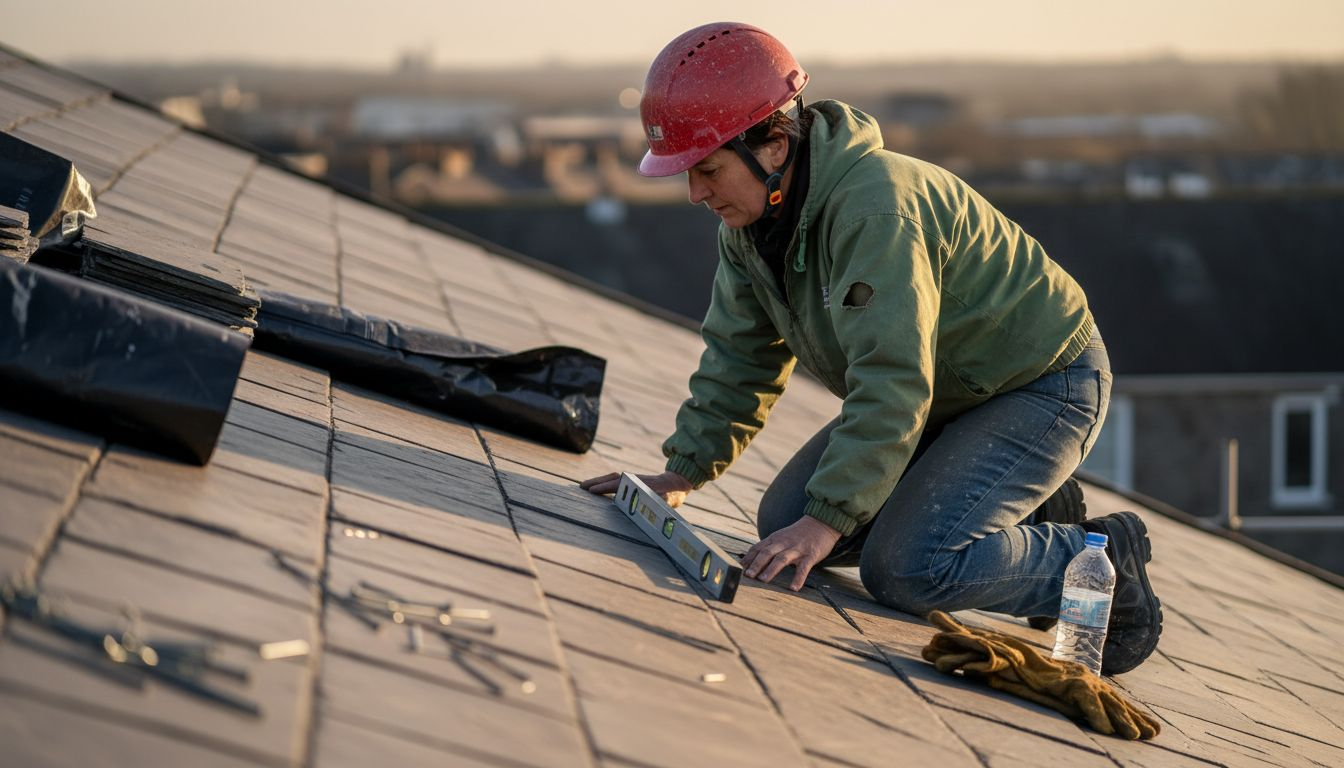
Moreover, professional roofers distinguish themselves through their commitment to continuous learning and technical competence. They stay updated on emerging roofing technologies, invest in ongoing training, and maintain current certifications. Roofing professionals prioritize safety by using proper protective equipment, following strict workplace protocols, and understanding potential hazards associated with working at significant heights.
Pro tip: Always request documentation of a roofer’s professional credentials, including licensing, insurance, and manufacturer certifications before hiring.
Types of Roofing Services Offered
Roofing services represent a comprehensive range of critical home maintenance solutions designed to protect and enhance residential structures. Homeowners can access multiple roofing service categories that address different structural needs and potential damage scenarios. These professional services go beyond simple repairs, offering holistic approaches to maintaining a home’s most important protective barrier.
The primary roofing services typically include:
- Roof Inspection: Comprehensive assessment of current roof condition
- Leak Repair: Targeted fixes for small and extensive water intrusion issues
- Shingle Replacement: Addressing individual or widespread shingle damage
- Full Roof Replacement: Complete system overhaul for extensively damaged roofs
- Preventative Maintenance: Regular check-ups and proactive repair strategies
Professional roofing contractors understand that different roofing systems require specialized approaches. Complex roofing systems demand expert knowledge of installation techniques, material properties, and structural considerations. These professionals work with various materials including asphalt shingles, metal roofing, slate, and specialized membrane systems, each requiring unique installation and maintenance protocols.
Modern roofing services have expanded to include advanced options like solar roof integration, energy-efficient coating applications, and comprehensive weatherproofing solutions. Homeowners can now select services that not only protect their property but also enhance its energy efficiency and overall market value.
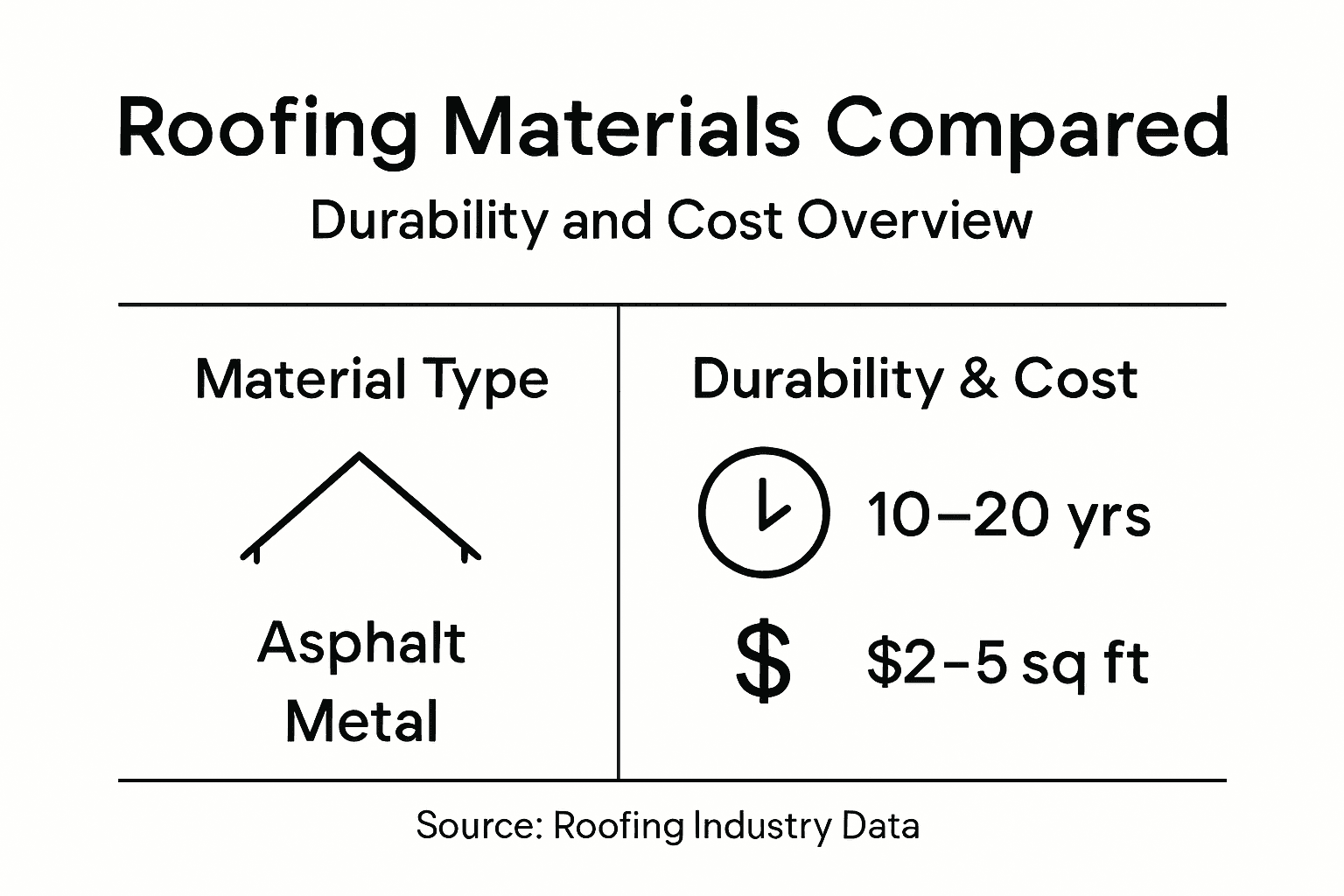
Here’s a comparison of common roofing materials and their key characteristics:
| Material Type | Durability | Cost Range (per sq. ft.) | Maintenance Needs |
|---|---|---|---|
| Asphalt Shingles | 15-30 years | $3 – $7 | Occasional inspection |
| Metal | 40-70 years | $6 – $12 | Minimal, periodic checks |
| Slate | 75+ years | $10 – $20 | Low, may need repairs |
| Membrane Systems | 20-40 years | $4 – $8 | Regular seam monitoring |
Pro tip: Request a detailed written estimate that breaks down specific services, materials, and projected outcomes before committing to any roofing project.
Licensing and Legal Requirements in Massachusetts
Navigating the legal landscape of roofing services in Massachusetts requires a clear understanding of state-mandated licensing and registration requirements. Home Improvement Contractor registration is a critical first step for any professional roofer working on residential properties. These regulations are designed to protect homeowners by ensuring contractors meet specific professional standards and maintain accountability.
In Massachusetts, roofing professionals must typically obtain two key credentials:
- Home Improvement Contractor (HIC) Registration: Required for projects on one to four-unit owner-occupied homes
- Construction Supervisor License (CSL): Mandatory for structural and complex roofing projects
Construction supervisor licensing involves a rigorous process that demonstrates a contractor’s expertise and commitment to professional standards. The licensing requires contractors to:
- Meet specific experience requirements
- Pass comprehensive state-administered examinations
- Demonstrate knowledge of current building codes
- Maintain ongoing professional credentials
Homeowners should always verify a roofing contractor’s current licensing status before hiring. This verification protects against potential legal issues and ensures that the work will meet Massachusetts’ stringent building and safety regulations. Unlicensed contractors not only risk significant penalties but also expose homeowners to potential liability and substandard workmanship.
Pro tip: Always request to see a contractor’s current HIC registration and CSL license, and independently verify these credentials with the Massachusetts Office of Public Safety and Inspections.
Essential Qualities of Reliable Roofers
Reliable roofers are distinguished by more than just technical skills – they embody a comprehensive set of professional attributes that ensure quality workmanship and customer satisfaction. Professional roofers demonstrate exceptional qualities that go far beyond basic technical competence, combining physical capability with critical thinking and communication skills.
The core qualities of a dependable roofing professional include:
- Physical Stamina: Ability to work long hours in challenging conditions
- Technical Precision: Meticulous attention to installation and repair details
- Safety Consciousness: Strict adherence to workplace safety protocols
- Problem-Solving Skills: Quick and effective resolution of unexpected challenges
- Communication Expertise: Clear, transparent interactions with homeowners
Moreover, reliable roofing professionals maintain continuous learning and skill development. This commitment involves staying updated on the latest roofing technologies, safety standards, and installation techniques. True professionals understand that their expertise is not static but requires ongoing education and adaptation to evolving industry practices.
Emotional intelligence and customer service skills are equally crucial. A reliable roofer listens carefully to homeowner concerns, provides transparent explanations, manages expectations effectively, and demonstrates genuine commitment to achieving optimal project outcomes. They balance technical expertise with interpersonal skills, ensuring homeowners feel informed, respected, and confident throughout the roofing process.
Pro tip: Request references and review a contractor’s professional portfolio to assess their demonstrated skills and consistency in delivering high-quality roofing services.
Costs, Warranties, and Common Mistakes
Understanding the financial landscape and potential pitfalls of roofing projects is crucial for homeowners. Roofing costs vary significantly with national averages hovering around $9,500, depending on materials, roof complexity, and regional labor rates. These expenses can fluctuate based on factors like roof size, pitch, current damage, and chosen roofing materials.
Warranty considerations are equally complex and require careful examination:
Below is a summary of warranty types and what they protect:
| Warranty Type | Coverage Focus | Typical Duration | Transferable? |
|---|---|---|---|
| Manufacturer | Material defects | 20-50 years | Sometimes, if noted |
| Workmanship | Installation quality | 2-10 years | Rarely |
| Prorated | Diminishing coverage | Varies, declines yearly | Occasionally |
| System Warranty | Complete system issues | 10-30 years | Depends on provider |
- Manufacturer Warranties: Cover material defects
- Workmanship Warranties: Protect against installation errors
- Prorated Warranties: Decrease in value over time
- Transferability: Some warranties can transfer with home ownership
Roofing fraud requires significant homeowner vigilance. Common mistakes that can lead to financial and structural complications include:
- Hiring unlicensed contractors
- Accepting vague or incomplete project proposals
- Paying substantial upfront deposits
- Neglecting routine maintenance
- Failing to verify contractor credentials
Homeowners must approach roofing projects with a strategic mindset, understanding that cutting corners can result in exponentially higher long-term expenses. Comprehensive research, detailed contract reviews, and working with reputable professionals are essential steps in mitigating potential risks and ensuring a successful roofing investment.
Pro tip: Request a detailed, written estimate that explicitly outlines all potential costs, warranty terms, and scope of work before signing any roofing contract.
Trust Professional Roofers Near You to Protect Your Massachusetts Home
Finding a reliable roofer who meets Massachusetts licensing requirements and delivers expert craftsmanship is essential to protect your home from weather damage and costly repairs. With concerns about proper Home Improvement Contractor registration and workmanship warranties, homeowners want trusted professionals who combine technical skill with transparency and safety. Sabatalo Contracting & Home Improvement brings over 15 years of local expertise, providing precise roof inspections, leak repairs, and full replacements using durable materials suited for your unique home needs.

Ready to work with roofers who prioritize quality, safety, and customer satisfaction? Explore our dedicated Roofing | Sabatalo Contracting services to find tailored solutions that match your project goals. Visit Sabatalo Contracting & Home Improvement today to request your free quote and secure your home’s protection with trusted, licensed professionals who stand behind their work.
Frequently Asked Questions
What should I look for in a professional roofer?
When hiring a professional roofer, look for their licensing, insurance, and manufacturer certifications. Additionally, check for experience, expertise in different roofing materials, and customer reviews.
What types of roofing services do roofers typically offer?
Roofers typically offer a range of services including roof inspection, leak repair, shingle replacement, full roof replacement, and preventative maintenance.
How do I ensure my roof is compliant with local building codes?
To ensure compliance with local building codes, hire licensed roofers who are knowledgeable about current regulations and can provide the necessary permits before starting work.
What are the common roofing materials, and how do they differ in durability and cost?
Common roofing materials include asphalt shingles (15-30 years, $3 – $7 per sq. ft.), metal (40-70 years, $6 – $12), slate (75+ years, $10 – $20), and membrane systems (20-40 years, $4 – $8). Each material varies in durability, cost, and maintenance needs.
