
Most American homes lose up to 30 percent of their heating and cooling energy through outdated windows. For Massachusetts homeowners, that means higher utility bills and chilly drafts during harsh winters. Upgrading to energy efficient windows can dramatically boost comfort while slashing monthly expenses. This guide breaks down smart solutions, practical window options, and savings strategies designed for anyone looking to make their home more efficient without breaking the bank.
Table of Contents
- Defining Energy Efficient Windows And Benefits
- Window Types And Material Options Compared
- Massachusetts Rebates And Incentives Explained
- Installation Process And Professional Assessment
- Typical Costs, Savings, And Budgeting Tips
Key Takeaways
| Point | Details |
|---|---|
| Energy Efficiency Benefits | Energy efficient windows enhance thermal performance and significantly reduce energy costs, providing both environmental and economic advantages for homeowners in Massachusetts. |
| Window Material Options | Homeowners should consider various frame materials like vinyl, fiberglass, wood, and aluminum, each offering unique performance characteristics and aesthetic qualities. |
| Financial Incentives | Numerous financial incentives, including Massachusetts state rebates and federal tax credits, are available to make upgrading to energy efficient windows more affordable. |
| Professional Installation Importance | Engaging certified contractors for window installation ensures adherence to standards and maximizes long-term performance and energy efficiency. |
Defining Energy Efficient Windows and Benefits
Energy efficient windows represent a critical technology in modern home design, engineered to dramatically improve thermal performance and reduce energy consumption. These specialized windows go far beyond traditional glass installations, incorporating advanced materials and engineering principles to create significant environmental and economic benefits for Massachusetts homeowners.
According to efficientwindows.org, energy efficient windows are meticulously designed to minimize heat transfer between interior and exterior environments. Their core features typically include:
- Multiple glass panes with insulating gas fills
- Low-emissivity (low-E) coatings that reflect infrared radiation
- Advanced frame materials with superior thermal resistance
- Precision-engineered seals preventing air infiltration
These sophisticated windows work by creating multiple barriers against heat movement, helping Massachusetts residents maintain comfortable indoor temperatures while substantially reducing heating and cooling expenses. They accomplish this through strategic design elements that block solar heat gain during summer and retain warmth during cold New England winters.
Beyond energy savings, energy efficient windows offer additional compelling advantages for homeowners. They significantly reduce external noise transmission, minimize condensation buildup, protect interior furnishings from ultraviolet radiation, and contribute to overall home comfort and aesthetic appeal.
Pro Tip: When selecting energy efficient windows, prioritize products with Energy Star certification and verify their specific performance ratings for Massachusetts climate conditions.
Window Types and Material Options Compared
Massachusetts homeowners have several window material and design options to consider when upgrading to energy efficient solutions. Window performance characteristics vary significantly based on frame material, glazing technology, and overall construction, making it crucial to understand the strengths and limitations of each window type.
The primary window material categories include:
-
Vinyl Windows: Most affordable option, excellent thermal performance
- Low maintenance requirements
- Superior insulation properties
- Limited color and style options
-
Fiberglass Windows: Premium performance with exceptional durability
- Minimal expansion and contraction
- High strength-to-weight ratio
- More expensive than vinyl
-
Wood Windows: Traditional aesthetic with excellent insulative qualities
- Natural appearance
- Requires regular maintenance
- Can be painted or stained
-
Aluminum Windows: Lightweight and strong, best for modern architectural designs
- Minimal frame profile
- Less energy efficient
- Ideal for specific architectural styles
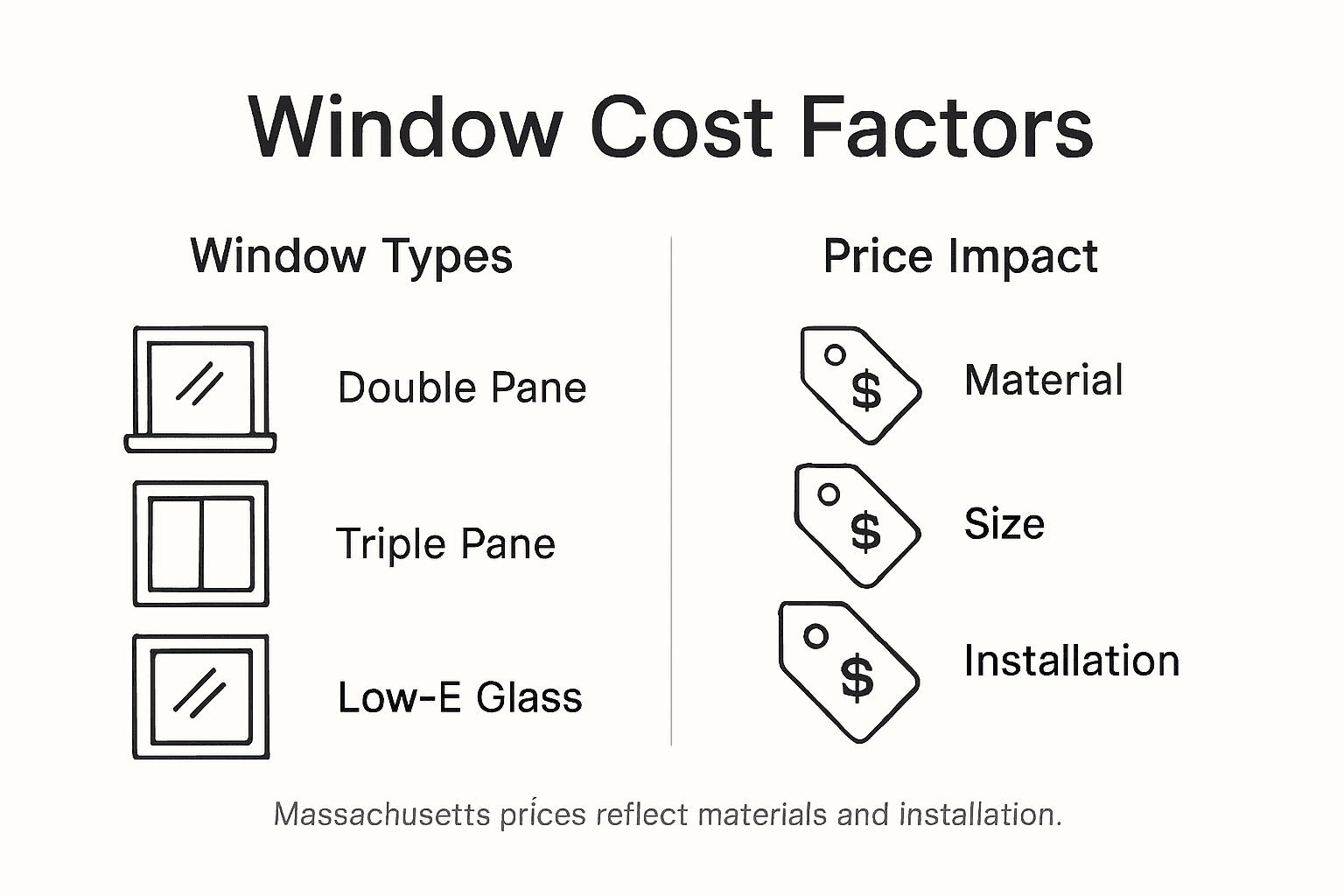
Efficientwindows.org highlights that advanced window technologies like double and triple glazing significantly enhance thermal performance. These multi-pane designs incorporate specialized features such as low-emissivity coatings and inert gas fills like argon or krypton, which dramatically reduce heat transfer and improve overall energy efficiency.
Here’s a comparison of window frame materials to help homeowners choose the best option for their needs:
| Frame Material | Durability | Maintenance Needs | Best Use Case |
|---|---|---|---|
| Vinyl | 20-40 years | Low | Cost-effective upgrades |
| Fiberglass | 30-50 years | Very low | Harsh climates, longevity |
| Wood | 15-30 years | High | Historical homes, aesthetics |
| Aluminum | 20-30 years | Moderate | Modern designs, narrow frames |
Performance ratings from the National Fenestration Rating Council (NFRC) provide standardized metrics to compare window efficiency. Homeowners should examine U-factor (heat loss rate) and Solar Heat Gain Coefficient (SHGC) when selecting windows tailored to Massachusetts’ unique climate conditions.
Pro Tip: Request detailed NFRC performance labels when comparing window options, and prioritize ratings specifically suited to New England’s temperature extremes.
Massachusetts Rebates and Incentives Explained
Massachusetts homeowners have access to numerous financial incentives designed to make energy efficient window upgrades more affordable. Massachusetts energy efficiency programs offer comprehensive support through initiatives like Mass Save, which provides substantial rebates and financial assistance for residential energy improvements.
The primary rebate and incentive categories include:
-
Mass Save Rebates: Direct financial incentives for window replacements
- Up to $500 per window replacement
- Additional whole-home energy assessment credits
- Instant discounts on energy-efficient products
-
Tax Credits: State-level financial benefits
- Deductions for ENERGY STAR certified window installations
- Potential federal tax credits for qualifying upgrades
- Reduction in overall project investment costs
-
Low-Income Assistance: Special programs for qualifying residents
- Enhanced rebate amounts
- Weatherization support
- Additional installation support
The Boston Energy Retrofit Resource Hub highlights that these incentives are part of broader municipal efforts to reduce carbon emissions and support sustainable home improvements. The programs are strategically designed to make energy efficiency accessible across different income levels and property types.
Eligibility typically depends on factors such as window specifications, home energy rating, income level, and specific program requirements. Homeowners should carefully review program guidelines and potentially consult with local window contractors to maximize available financial benefits.
Pro Tip: Collect and organize all documentation before applying for rebates, as comprehensive record-keeping can significantly streamline the incentive application process.
Installation Process and Professional Assessment
Professional window installation is a critical process that demands precision and expertise to ensure maximum energy efficiency and long-term performance. Professional home energy assessments provide the essential first step in determining the most appropriate window replacement strategy for Massachusetts homes.
The comprehensive installation process typically involves several key stages:
-
Pre-Installation Assessment
- Detailed home energy evaluation
- Precise measurements of existing window openings
- Identification of potential structural issues
- Evaluation of home’s specific energy performance needs
-
Removal of Existing Windows
- Complete extraction of old window assemblies
- Careful inspection of surrounding frame and wall structure
- Addressing any underlying damage or deterioration
-
Preparation and Installation
- Thorough air sealing of window openings
- Precise installation of new window units
- Application of professional-grade weatherstripping
- Proper insulation and flashing to prevent water infiltration
Comprehensive window replacement guidelines emphasize the importance of adhering to ASTM standards during installation. This ensures that windows are not just placed, but integrated seamlessly into the home’s envelope, maximizing thermal performance and preventing potential air or water leakage.
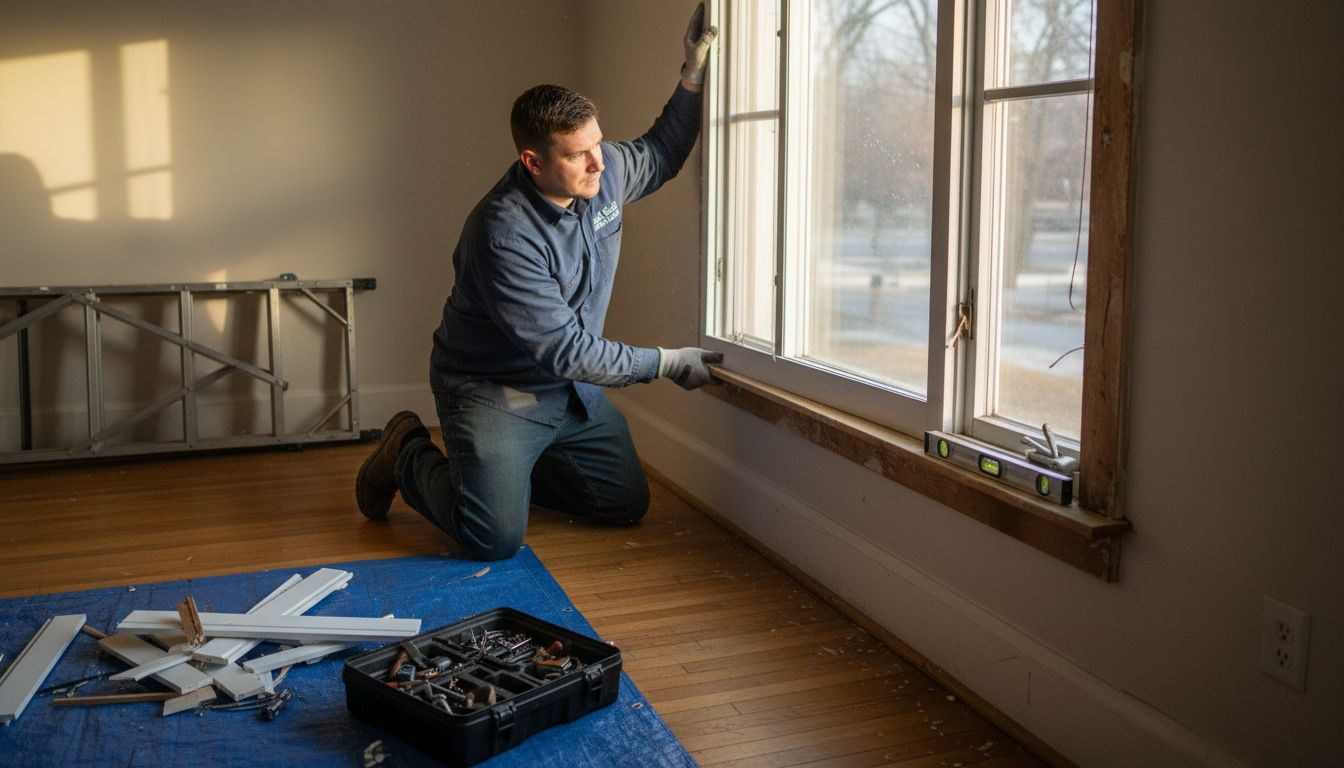
Certified contractors bring critical expertise to the installation process, understanding the nuanced requirements of Massachusetts’ specific climate and building codes. They can identify potential challenges that might compromise window performance, such as structural settling, moisture issues, or improper previous installations.
Pro Tip: Request a detailed written assessment and installation plan from your contractor, including specific details about air sealing, insulation methods, and post-installation performance verification.
Typical Costs, Savings, and Budgeting Tips
Energy efficient window costs represent a significant investment for Massachusetts homeowners, with prices typically ranging between $300 and $1,000 per window depending on specific features, materials, and installation complexity. Understanding the comprehensive financial landscape is crucial for making informed decisions about window upgrades.
This summary outlines estimated costs, savings, and common budgeting strategies for energy efficient window projects:
| Category | Typical Range | Key Consideration |
|---|---|---|
| Per Window Cost | $300–$1,000 | Features, material, size |
| Annual Savings | $125–$465 | Heating/cooling reduction |
| Incentives | Up to 30% off | Rebates, credits, discounts |
| Budgeting Tip | 2–3 quotes | Compare total project value |
Cost breakdown and financial considerations include:
-
Window Pricing Factors
- Material selection
- Window size and style
- Energy efficiency ratings
- Complexity of installation
-
Potential Annual Savings
- Up to 13% reduction in energy bills
- Estimated savings of $125 to $465 per year
- Long-term financial benefits
-
Financial Incentives
- Federal tax credits (up to 30% of installation costs)
- Massachusetts state rebates
- Mass Save program incentives
- Potential local financing options
Massachusetts energy rebate guidelines recommend a strategic approach to window replacements. Homeowners should obtain multiple quotes, verify contractor qualifications, and consider timing upgrades with broader home improvement projects to maximize financial benefits and energy savings.
While the upfront costs might seem substantial, the long-term financial and comfort benefits make energy efficient windows a worthwhile investment. The combination of reduced energy bills, increased home value, and available financial incentives can significantly offset initial expenses over time.
Pro Tip: Create a comprehensive spreadsheet comparing total project costs, estimated annual energy savings, available rebates, and projected long-term financial benefits to make a fully informed decision.
Transform Your Home with Energy Efficient Windows Today
Navigating the costs and benefits of energy efficient windows in Massachusetts can feel overwhelming as you balance upfront investment with long-term savings and comfort. If you are concerned about rising energy bills or uneven indoor temperatures, choosing the right windows with features like low-emissivity coatings and superior air sealing can make a real difference. At Sabatalo Contracting, we understand the unique challenges Massachusetts homeowners face, including harsh winters and summer heat. Our expert team offers tailored solutions with high-quality materials and professional installation to maximize your home’s energy efficiency and aesthetic appeal.

Don’t wait to improve your home’s performance and value. Explore our wide range of Windows | Sabatalo Contracting to find the perfect fit for your needs. Want to see the impact of individual window solutions? Check out our Single Windows | Sabatalo Contracting offerings. Ready for a full home exterior upgrade or expert consultation? Visit Sabatalo Contracting now to request a personalized quote and take advantage of over 15 years of trusted local craftsmanship that protects your home and lowers your energy costs.
Frequently Asked Questions
What are the typical costs of energy efficient windows?
Energy efficient window costs typically range between $300 and $1,000 per window, depending on features, materials, and installation complexity.
How much can I save annually by installing energy efficient windows?
Homeowners can expect annual savings of $125 to $465 on energy bills due to reduced heating and cooling costs after installing energy efficient windows.
What factors should I consider when budgeting for energy efficient windows?
When budgeting, consider window pricing factors such as material selection, size, style, energy efficiency ratings, and the complexity of installation.
Are there any financial incentives available for energy efficient window upgrades?
Yes, Massachusetts offers financial incentives such as state rebates, federal tax credits, and Mass Save program incentives, which can significantly reduce the overall project costs.
Recommended
- New Energy Efficient Windows: Lower Bills, Enhanced Comfort | Sabatalo Contracting
- Benefits of Energy Audits for Massachusetts Homes | Sabatalo Contracting
- When to Replace Windows: Guide for Massachusetts Homes 2025
- 7 Essential Door Installation Tips for Massachusetts Homeowners | Sabatalo Contracting
- 7 Key Benefits of Sustainable Heating for Homes and Business – Skan Plumbing & Heating
