
Every year, countless Massachusetts homeowners face steep repair bills when winter’s ice dams cause water to back up under their roofs. In fact, ice dam damage costs American families millions of dollars annually, making it one of the most expensive cold-weather threats to your home’s exterior. Understanding exactly how these barriers form can help you identify risks early, stop costly leaks, and protect your investment all season long.
Table of Contents
- What Are Ice Dams and How They Form
- Types of Ice Dams and Key Differences
- Risk Factors in Massachusetts Roofs
- Damage Caused by Ice Dams to Homes
- Prevention Essentials: Insulation and Ventilation
- Common Mistakes and Safe Removal Solutions
Key Takeaways
| Point | Details |
|---|---|
| Ice Dams Formation | Ice dams form when warm air from the interior melts snow on the roof, which then refreezes at the roof edges. A combination of inadequate insulation, ventilation, and fluctuating temperatures contributes to this issue. |
| Preventive Strategies | Homeowners should ensure comprehensive attic insulation and proper ventilation to maintain uniform roof temperatures and prevent ice dams. Conducting a professional energy audit can identify specific vulnerabilities. |
| Damage Risks | Ice dams can lead to severe structural damage, including wood rot and mold growth, which can escalate repair costs significantly. Prompt inspection and maintenance are essential to avoid these issues. |
| Safe Removal Methods | Professional interventions are recommended for ice dam removal to avoid damaging the roof. Alternative methods such as steam removal and heating cables should be used to ensure safety and effectiveness. |
What Are Ice Dams and How They Form
Ice dams represent a significant winter challenge for Massachusetts homeowners, creating potentially serious damage to roofing systems and interior living spaces. These frozen ridges form along roof edges when complex temperature variations occur between different sections of your roof surface. According to the National Association of Home Inspectors, ice dams are defined as rigid formations of ice that prevent melting snow from properly draining off a roof.
The formation process involves a precise sequence of meteorological conditions. When the upper portion of your roof becomes warmer than 32 degrees Fahrenheit while the roof’s edges remain below freezing, a unique phenomenon occurs. Snowmelt from the warmer upper roof area flows downward and encounters the freezing temperature near the eaves, causing water to rapidly refreeze. This creates a progressive barrier of ice that prevents subsequent meltwater from properly draining, forcing water underneath roofing materials.
Several key factors contribute to ice dam formation in Massachusetts homes:
- Inadequate attic insulation
- Insufficient roof ventilation
- Uneven heat distribution from interior living spaces
- Significant snow accumulation
- Fluctuating winter temperatures
The consequences of untreated ice dams can be substantial. Water trapped behind these frozen barriers can seep into wall cavities, damage interior ceilings, compromise structural wood integrity, and create conditions conducive to mold growth. The potential repair costs can range from hundreds to thousands of dollars, making proactive prevention critical for homeowners.
Pro tip: Conduct a thorough roof and attic inspection before winter to identify potential heat loss areas and improve insulation, reducing the likelihood of ice dam formation.
Types of Ice Dams and Key Differences
Ice dams are not uniform in their formation or characteristics, with variations that can significantly impact their potential for home damage. According to the National Association of Home Inspectors, two primary types of ice dams emerge: those caused by internal heat loss and those resulting from direct solar heating. Understanding these distinctions is crucial for Massachusetts homeowners seeking to protect their properties from winter-related structural risks.
Internal heat loss ice dams represent the most common and potentially destructive variation. These form when heat from the interior of a home escapes through the attic, causing uneven roof surface temperatures. Warm air rises and creates a temperature gradient that melts snow on the upper roof sections while the eaves remain cold. This temperature differential triggers the classic ice dam formation process, with meltwater refreezing at the roof’s edge. Roof design and architectural variations can significantly influence how these dams develop, creating unique challenges for different home configurations.
The location and formation of ice dams can vary considerably across different roof sections:
- Eave Ice Dams: Develop at the roof’s edge, most common type
- Valley Ice Dams: Form in roof intersections where snow accumulation is higher
- Mid-Roof Ice Dams: Occur on complex roof structures with multiple planes
- Solar-Induced Ice Dams: Caused by direct sunlight melting snow unevenly
Each type of ice dam presents unique challenges. Eave ice dams tend to be the most problematic, as they create immediate barriers for water drainage. Valley ice dams can be particularly dangerous due to their potential to trap larger volumes of water, increasing the risk of structural damage. Mid-roof formations often indicate more complex insulation or ventilation issues that require professional assessment.
Pro tip: Invest in an infrared thermal camera inspection to identify precise heat loss areas and potential ice dam formation points before winter arrives.
Risk Factors in Massachusetts Roofs
Massachusetts homeowners face unique challenges when it comes to roof integrity, particularly during the harsh winter months. Understanding the specific risk factors for roof damage requires a comprehensive analysis of the state’s distinctive architectural and meteorological characteristics. The combination of heavy snowfall, fluctuating temperatures, and complex residential architectural designs creates a perfect storm for potential roof vulnerabilities.
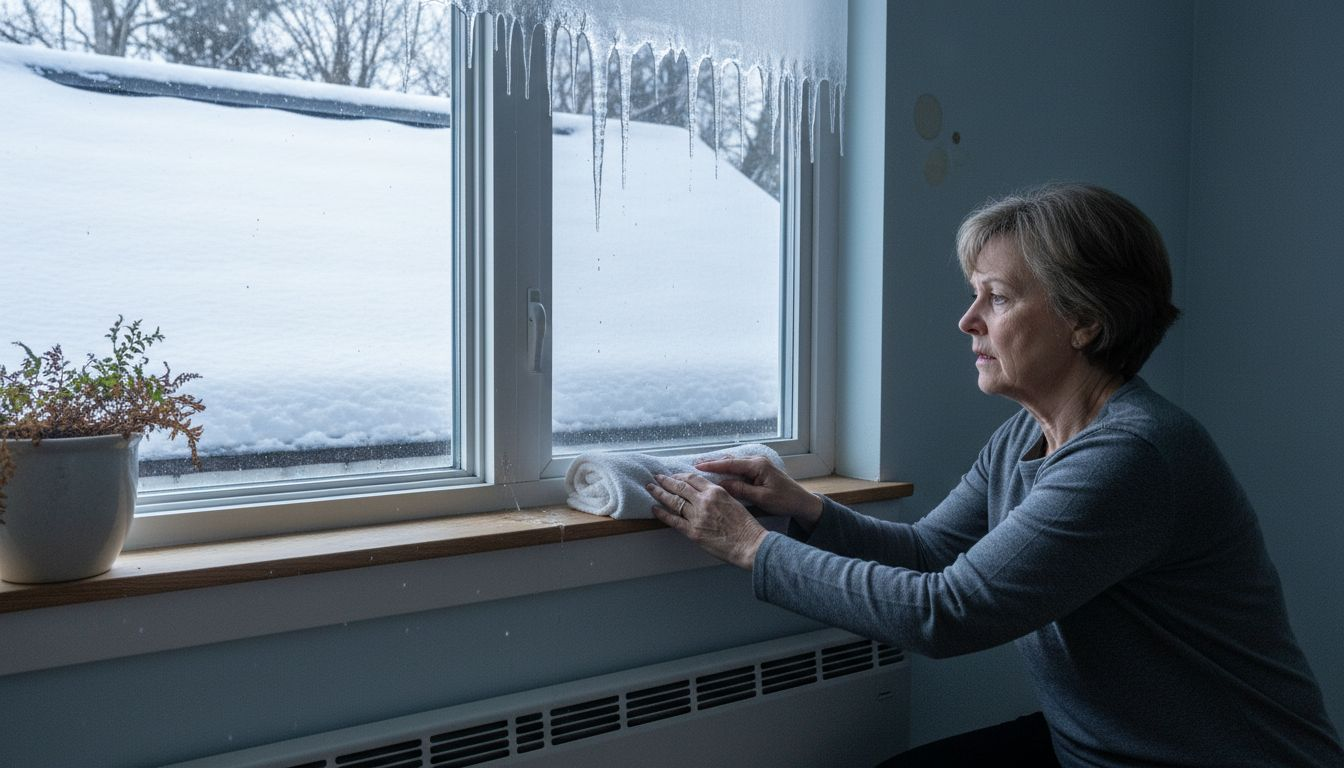
The architectural landscape of Massachusetts presents several inherent risk factors that increase the likelihood of ice dam formation and roof damage. Older homes with intricate roof designs featuring multiple valleys, dormers, and complex geometries are especially susceptible. These architectural elements create uneven heat distribution and temperature gradients that can significantly accelerate ice dam development. Homes built before modern insulation standards were implemented often have inadequate attic ventilation and insufficient thermal barriers, further exacerbating potential roof risks.
Key risk factors specific to Massachusetts roofs include:
- Age of Home: Structures over 30 years old with original insulation
- Roof Complexity: Multiple roof planes and intersecting angles
- Attic Insulation: Poor or outdated thermal protection
- Ventilation Systems: Inadequate airflow management
- Roof Material: Older or degraded roofing materials
Geographical and climatic conditions compound these risks. Massachusetts experiences rapid temperature fluctuations that can cause repeated freeze-thaw cycles, placing extraordinary stress on roofing systems. The region’s substantial snowfall creates additional weight and moisture challenges, particularly for roofs with minimal pitch or complex structural designs. This environmental stress can accelerate material degradation and create potential entry points for water intrusion.
Here’s a summary of how key Massachusetts roof factors impact ice dam risk:
| Roof Factor | Ice Dam Risk Level | Why It Matters |
|---|---|---|
| Home age over 30 years | High | Outdated insulation, ventilation |
| Multiple roof planes | Elevated | Complex heat loss patterns |
| Poor attic insulation | Severe | Increased roof temperature |
| Weak ventilation systems | Significant | Encourages uneven roof cooling |
| Degraded roof materials | Moderate | Easier water intrusion |
Pro tip: Schedule a comprehensive roof inspection before winter to identify and address potential vulnerabilities, focusing on insulation, ventilation, and structural integrity.
Damage Caused by Ice Dams to Homes
Ice dams can unleash devastating consequences for Massachusetts homeowners, creating a cascade of structural and health-related problems that extend far beyond surface-level damage. Water intrusion from ice dams can trigger extensive damage to critical home systems, compromising the integrity of roofing, insulation, and interior living spaces with potentially long-lasting and expensive repercussions.
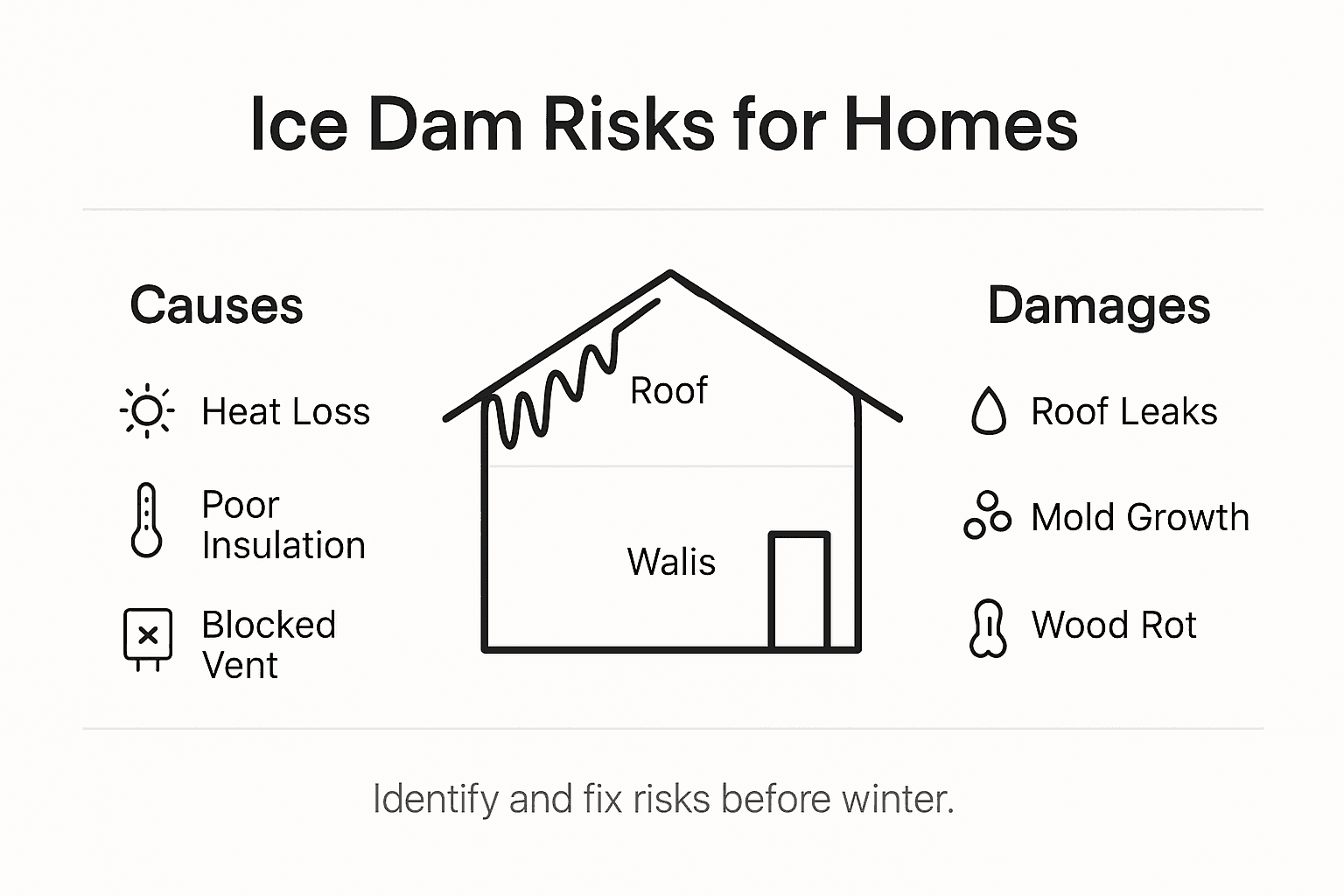
The most immediate and concerning damage occurs within the home’s structural components. Moisture that penetrates roof decking and wall cavities initiates a destructive process of wood rot, mold proliferation, and insulation degradation. Wet insulation loses its thermal protective capabilities, creating a compounding problem that reduces energy efficiency and increases heating costs. The trapped moisture also weakens structural wood framing, potentially compromising the home’s overall structural stability and creating hidden damage that may not become apparent for months or even years.
Multiple layers of damage can manifest from ice dam infiltration:
- Structural Damage: Wood rot in roof decking and wall framing
- Insulation Compromise: Reduced thermal efficiency and increased energy costs
- Mold Growth: Potential respiratory health hazards
- Interior Finish Destruction: Paint peeling, drywall staining, ceiling damage
- Electrical System Risks: Potential short circuits from moisture intrusion
Beyond physical structural damage, ice dams pose significant health risks to residents. The moisture environments created by water infiltration become ideal breeding grounds for mold and mildew, which can cause serious respiratory issues, allergic reactions, and long-term indoor air quality problems. These health hazards are particularly dangerous for individuals with preexisting respiratory conditions, children, and elderly residents.
Pro tip: Consider investing in a comprehensive moisture detection inspection after winter to identify and address any hidden water damage before it escalates into more serious structural or health concerns.
Prevention Essentials: Insulation and Ventilation
Preventing ice dams requires a strategic approach that focuses on maintaining uniform roof temperatures and eliminating heat transfer from interior living spaces. Effective insulation and ventilation techniques create a comprehensive barrier against ice dam formation, providing Massachusetts homeowners with a critical defense mechanism against winter-related roof damage.
The foundation of ice dam prevention lies in creating a consistent thermal environment within the attic space. This involves meticulously sealing potential heat escape routes, including gaps around electrical wiring, plumbing penetrations, and recessed lighting fixtures. Proper air sealing prevents warm interior air from rising into the attic and creating temperature differentials that trigger snow melting and subsequent refreezing at roof edges. Insulation acts as a critical thermal barrier, preventing heat from the living spaces below from warming the roof surface and initiating the ice dam formation process.
Key prevention strategies include:
- Comprehensive Attic Insulation: Minimum R-49 insulation value
- Air Sealing: Blocking all potential heat transfer points
- Soffit and Ridge Ventilation: Ensuring consistent air circulation
- Vapor Barrier Installation: Preventing moisture intrusion
- Continuous Roof Surface Temperature Management: Maintaining uniform temperatures
Ventilation plays an equally crucial role in ice dam prevention. Proper roof ventilation creates a consistent cold environment across the entire roof surface, preventing localized warming that can trigger snowmelt. Ridge and soffit vents work together to establish a continuous airflow that helps maintain uniform temperatures, effectively disrupting the conditions necessary for ice dam development. Homeowners should focus on creating a balanced ventilation system that allows cold air to enter through soffit vents and exit through ridge vents, creating a natural cooling effect across the roof surface.
Pro tip: Conduct a professional energy audit to identify and address specific insulation and ventilation vulnerabilities before the winter season begins.
Common Mistakes and Safe Removal Solutions
Addressing ice dams requires a nuanced approach that prioritizes both home protection and personal safety. Homeowners often make critical errors when attempting to remove ice dams, which can lead to significant property damage and potential personal injury. Understanding the most common mistakes is the first step toward implementing effective and safe removal strategies.
Dangerous removal techniques can cause more harm than the ice dam itself. Homeowners frequently make the mistake of using sharp tools like picks, axes, or metal scrapers to chip away at ice, which can puncture roofing materials and create permanent damage. Similarly, pouring hot water or rock salt directly onto the roof might seem like a quick solution but can severely compromise shingle integrity, cause accelerated deterioration, and create additional moisture problems. These improvised methods not only risk immediate structural damage but can also void roofing warranties and create long-term maintenance challenges.
Safe and recommended ice dam removal strategies include:
- Ground-Level Snow Removal: Using telescoping roof rakes
- Professional Steam Removal: Employing specialized equipment
- Heating Cables: Creating controlled melt channels
- Professional Inspection: Assessing underlying structural risks
- Preventative Measures: Focusing on insulation and ventilation solutions
For Massachusetts homeowners facing persistent ice dam challenges, professional intervention remains the most reliable solution. Trained contractors can safely assess the specific conditions contributing to ice dam formation, utilize specialized equipment for removal, and recommend tailored prevention strategies. These professionals understand the intricate balance between removing ice dams and preserving roof structural integrity, ensuring that temporary solutions do not create long-term complications.
Compare safe ice dam removal methods for Massachusetts homes:
| Removal Method | Best Use Case | Limitations |
|---|---|---|
| Roof rake from ground | Early snow removal | Cannot address existing ice dams |
| Professional steam removal | Stubborn ice dams | Higher cost, needs expertise |
| Heating cables | Preventive applications | Needs installation before winter |
| Professional inspection | Assess complex problems | Not a direct removal technique |
Pro tip: Invest in a professional roof assessment before winter to develop a comprehensive ice dam prevention strategy tailored to your home’s unique architectural characteristics.
Protect Your Massachusetts Home from Ice Dam Damage with Expert Exterior Solutions
Ice dams can cause serious problems including structural damage, mold growth, and costly repairs due to trapped water leaking into your home. If you are worried about uneven roof temperatures, poor attic insulation, or inadequate ventilation contributing to ice dam formation, you are not alone. These issues put your home at risk during harsh winters when Massachusetts experiences heavy snowfall and fluctuating temperatures. Sabatalo Contracting & Home Improvement combines over 15 years of local expertise to help you prevent these risks with durable roofing, precise insulation upgrades, and professional ventilation improvements tailored to your home’s unique architecture.

Don’t wait until ice dams cause expensive damage. Take control now by partnering with trusted professionals who deliver top-tier home exterior improvements designed for winter resilience. Visit our home page to explore how our roofing and siding solutions can safeguard your property. Interested in a thorough evaluation? Request a consultation to get a customized plan focused on preventing ice dams and enhancing your home’s energy efficiency. Let Sabatalo Contracting be your trusted partner in protecting your Massachusetts home this winter.
Frequently Asked Questions
What are ice dams and how do they form?
Ice dams are rigid formations of ice that occur along roof edges when the upper portion of a roof is warmer than 32 degrees Fahrenheit and the edges remain below freezing. Snowmelt from the warmer areas flows down and refreezes at the eaves, creating a barrier that prevents proper drainage of meltwater.
What are the risks associated with ice dams for homes?
Ice dams can cause significant damage, including wood rot in roofing and wall framing, mold growth, compromised insulation, and damage to interior finishes such as paint and drywall. This can lead to costly repairs and health hazards due to mold exposure.
How can homeowners prevent ice dams from forming?
Homeowners can prevent ice dams by improving attic insulation, ensuring proper ventilation, sealing heat escape routes, and maintaining a consistent roof temperature. Conducting thorough inspections of insulation and ventilation systems before winter is also crucial.
What should I avoid when trying to remove ice dams?
Homeowners should avoid using sharp tools such as picks or axes, as these can damage roofing materials. Pouring hot water or rock salt on the roof is also discouraged since it can compromise shingles and lead to further moisture issues. Safe removal methods include using roof rakes or hiring professionals for steam removal.
Recommended
- Roof Ice Melt Systems: Preventing Winter Roof Damage | Sabatalo Contracting
- Flood Proofing Your Home: Essential Steps for Massachusetts | Sabatalo Contracting
- What Is a Drip Edge and Why It Matters | Sabatalo Contracting
- 7 Essential Steps for Your Winterize Your Home Checklist | Sabatalo Contracting
- Dealing With Solar Attic Fan Water Damage
