
Soaring utility bills and drafty rooms turn winter in Massachusetts into a real challenge for homeowners. Finding the balance between energy savings and protecting your property starts with understanding what “reasonable” window replacement really means. Massachusetts building code sets clear standards for safety and performance, requiring materials and installation techniques that handle harsh wind, snow, and cold while maintaining your home’s unique look. This guide explains how to meet those requirements and invest in windows that offer lasting comfort, efficiency, and curb appeal.
Table of Contents
- Defining Reasonable Window Replacement Standards
- Major Types of Replacement Windows Available
- Essential Steps in The Window Replacement Process
- Massachusetts Codes And Energy Efficiency Requirements
- Costs, Incentives, And Mistakes To Avoid
Key Takeaways
| Point | Details |
|---|---|
| Understand Compliance Requirements | Familiarize yourself with Massachusetts building codes and energy efficiency standards to ensure proper window installations. |
| Select Quality Materials | Choose window materials that balance performance and aesthetics while considering the specific climate challenges of Massachusetts. |
| Prioritize Professional Installation | Work with experienced contractors who understand local codes and follow proper installation processes to avoid costly mistakes. |
| Utilize Available Incentives | Take advantage of state rebates and federal tax credits for energy-efficient window replacements to reduce overall costs. |
Defining Reasonable Window Replacement Standards
When you’re considering window replacement for your Massachusetts home, “reasonable” doesn’t mean cutting corners or choosing the cheapest option available. Instead, it means meeting established standards that protect your home, keep your family safe, and deliver long-term value. The Massachusetts building code provides the foundation for what constitutes proper window installation and replacement, ensuring that whatever new windows you install will withstand New England’s demanding climate and deliver the performance you expect.
The Massachusetts building code guidelines establish specific structural requirements that go beyond just fitting a new window into an old opening. Your replacement windows must meet minimum standards for frame construction, glazing materials, and anchoring systems designed to handle the environmental pressures unique to Massachusetts. This includes resistance to significant wind loads and snow weight, two factors that homeowners often underestimate. The code also mandates energy efficiency standards that directly reduce your heating costs during those long, cold Massachusetts winters while improving overall home comfort. For more complex structural situations or custom installations, the building code requires hiring a registered design professional to evaluate your specific situation and ensure safe installation. This is not bureaucratic red tape; it’s a safeguard that protects both your investment and your home’s integrity.
Beyond structural concerns, replacement glass must meet deflection limits and material quality requirements that ensure proper framing support and long-term safety. The state’s 780 CMR 24.00 regulation covers both exterior and interior installations, defining exactly what constitutes acceptable glazing identification, construction standards, and seismic load considerations. When a contractor discusses “reasonable” replacement standards with you, they’re referring to these specific code requirements. Reasonable window replacement means installing units that comply with these structural and energy standards rather than simply swapping old frames for new ones without considering load distribution, weather resistance, or modern efficiency. The difference between a basic replacement and a properly executed one often shows up five to ten years later when inferior installations develop air leaks, condensation problems, or frame deterioration that code-compliant installations simply don’t experience.
Your responsibility as a homeowner is understanding that reasonable doesn’t mean accepting the lowest bid or the quickest turnaround. It means partnering with contractors who know Massachusetts building codes and apply them consistently to every project. A reasonable window replacement protects your home against the specific climate challenges you face on the North Shore, in Central Massachusetts, or along the South Coast. It means choosing contractors with deep local expertise who understand how Massachusetts’ freeze-thaw cycles affect window performance and who implement solutions proven to handle these conditions.
Pro tip: When requesting window replacement quotes, specifically ask each contractor how they ensure compliance with Massachusetts building code requirements and request documentation of their installation process to verify they’re meeting current structural and energy efficiency standards.
Major Types of Replacement Windows Available
Massachusetts homes span centuries of architectural styles, from colonial saltboxes to Victorian estates to modern suburban homes. This diversity means your window replacement options need to balance performance with aesthetics. The good news is that modern replacement windows don’t force you to choose between preserving your home’s character and upgrading to energy-efficient technology. Double-hung windows remain the most popular choice for Massachusetts homes, especially in properties built before 1950. These traditional windows feature two sashes that slide vertically within the frame, a design so effective that it has remained largely unchanged for over 200 years. If your home was built in the colonial, Victorian, or early American periods, double-hung windows are probably what you’re replacing. Modern versions of these windows maintain that classic look while incorporating contemporary sealing systems, weather stripping, and insulation that older windows simply cannot match.
When it comes to materials, you have three primary options that each bring different advantages to Massachusetts homes. Vinyl windows dominate the replacement market because they offer the best combination of affordability, low maintenance, and energy efficiency. They don’t rot, don’t require painting, and handle New England’s freeze-thaw cycles better than older wood frames. Fiberglass windows provide exceptional durability and superior insulation properties, making them ideal if you’re willing to invest more upfront for long-term performance. They resist warping and maintain their structural integrity through countless seasonal temperature swings. Wood windows represent the premium option, offering unmatched aesthetic appeal and the ability to match original architectural details perfectly. However, wood requires regular maintenance, including repainting and sealing, to protect against Massachusetts’ moisture and temperature extremes. For historic homes where authenticity matters, wood is often the only acceptable choice. For practical homeowners seeking efficiency without constant upkeep, vinyl delivers solid performance at a reasonable price point.
Here’s a quick comparison of popular window replacement materials for Massachusetts homes:
| Material Type | Durability | Maintenance Needs | Cost Range (per window) |
|---|---|---|---|
| Vinyl | High | Minimal | $300 – $700 |
| Fiberglass | Very High | Low | $800 – $1,500+ |
| Wood | Moderate | High | $800 – $1,500+ |
Beyond these standard options, specialized windows address specific needs in Massachusetts homes. Casement windows swing outward like doors and excel at directing air flow, making them popular for kitchens and bathrooms. Sliding windows work well in spaces where a double-hung design would be awkward or where you want a more contemporary appearance. Single-hung windows function like double-hungs but with only the bottom sash moving, reducing complexity and cost. Energy efficient impact-resistant windows combine superior weather protection with safety benefits, making them worth considering if you live in coastal areas vulnerable to storms or near major roads where noise reduction matters. Picture windows remain stationary but frame views beautifully and maximize natural light. When evaluating your options, consider your home’s age and architectural style, your budget, and your priorities regarding maintenance, performance, and aesthetics. A contractor with Massachusetts experience can help you select window types that work harmoniously with your home’s design while meeting your performance expectations.
The selection process requires balancing multiple factors. Your home’s climate zone within Massachusetts influences which materials perform best. Coastal properties deal with salt spray and humidity that vinyl handles better than wood. Inland homes in the mountains experience more extreme temperature swings. Your home’s age and historical significance may dictate whether you need period-appropriate designs or whether modern styles work fine. Your budget obviously matters, but remember that the cheapest option today becomes expensive tomorrow when you’re dealing with air leaks and energy loss. The most reasonable choice typically means selecting materials and styles that match your home’s character while delivering measurable improvements in comfort and efficiency.
Pro tip: Request samples of different window frame materials and ask your contractor to show you examples of similar installations in nearby homes so you can see how different options actually look and perform in Massachusetts weather conditions.
Essential Steps in the Window Replacement Process
Window replacement isn’t something you should approach casually or without understanding what’s involved. The process spans from initial assessment through final cleanup, and every step matters for achieving windows that actually perform as promised. Most Massachusetts homeowners underestimate how detailed proper installation is, thinking it’s simply removing old windows and sliding in new ones. Professional window replacement begins with a thorough assessment of your existing windows to identify which ones are truly problematic and whether replacement is genuinely necessary. A qualified contractor will inspect for drafts, moisture damage, rot, broken seals, and poor operation. They’ll examine your home’s exterior condition around each window, looking for water intrusion evidence, deteriorated caulk, or compromised framing. This initial inspection determines not just whether you need replacements, but which windows should be prioritized and what specific conditions the new installations need to address. You might discover that one wall of your home faces more weather exposure than others, requiring different approaches to sealing and flashing on that side.
Once the assessment determines which windows need replacing, the process moves into material selection and precise measurement. You’ll work with your contractor to choose between vinyl, fiberglass, or wood based on your home’s age, style, budget, and maintenance preferences. Accurate measurement is non-negotiable because even a quarter-inch error can prevent proper installation. Professional installers measure window openings multiple times and account for any irregularities in your home’s framing. Many older Massachusetts homes have settled unevenly over decades, meaning your window openings may not be perfectly square or level. The contractor’s measurements must account for these variations. Once selections are finalized and measurements confirmed, professional installers remove your old windows with care, protecting your interior and exterior finishes. They prepare the window opening by checking for rot, moisture damage, or structural issues that need addressing before new windows go in. This preparation phase is where hidden problems often surface. A rotted header or compromised sill may require repair or reinforcement before the new window can be safely installed. Rushing through this phase leads to failures down the road.
The actual installation phase demands precision and attention to detail that separates quality work from shortcuts. New windows must be positioned correctly within the opening, leveled, and secured with proper fasteners. Professional installers use appropriate flashing and sealing techniques to ensure no air or water infiltration around the frame perimeter. Flashing works like a shield, directing water away from the window frame and into your gutter system rather than allowing it to seep behind the frame and into your walls. Poor flashing installation is why some homeowners end up with water stains and structural damage within a few years of replacement. Once windows are secured and sealed, installers finish the project with exterior and interior trim work, caulking all visible gaps with high-quality sealant. Interior trim gets installed or adjusted to match your existing molding. Exterior trim and caulking seal the connection between the new window frame and your home’s exterior, providing both weather protection and a finished appearance. The entire process, when done correctly, typically takes several hours to a full day per window depending on the window size, condition of the existing opening, and any complications that surface during installation.
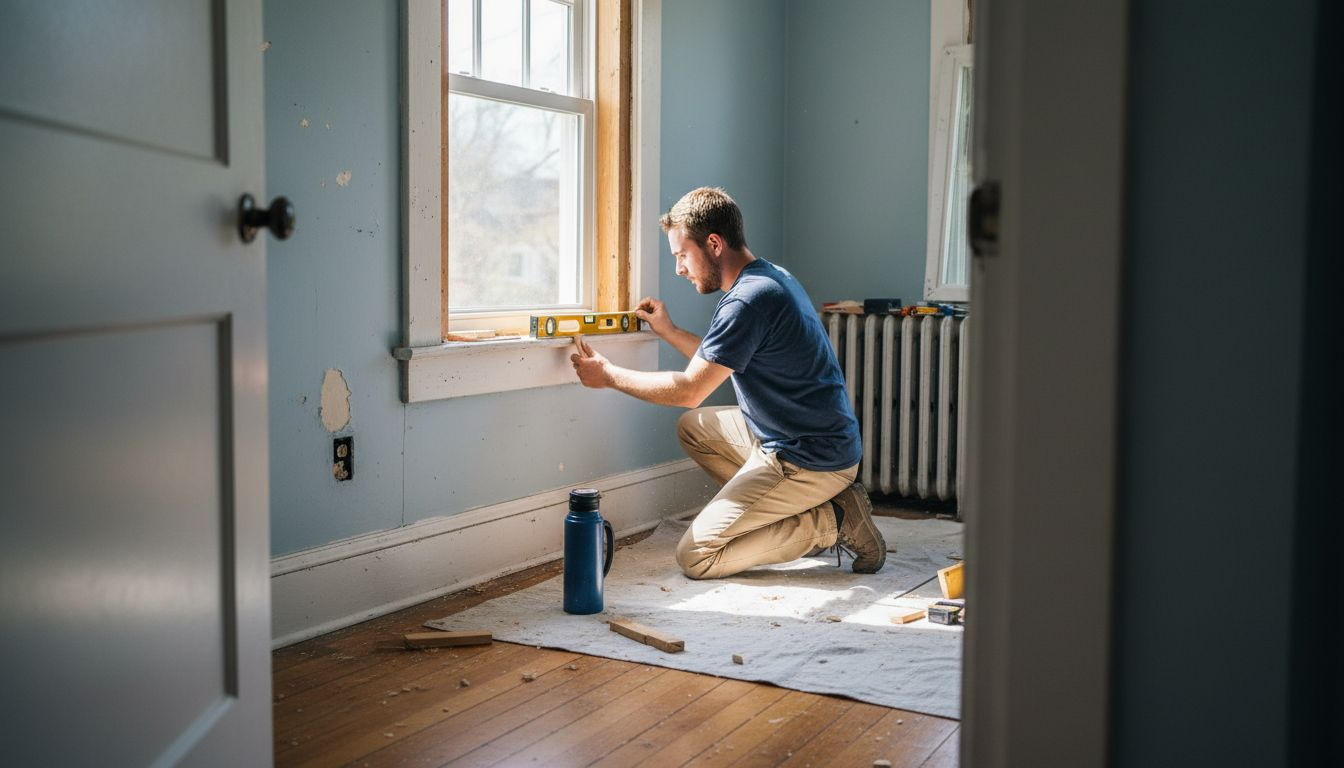
What separates reasonable window replacement from shortcuts comes down to contractor attention to detail throughout these steps. Some contractors rush through assessment, use rough measurements, skip proper flashing installation, and apply inadequate caulking to save time and money. These approaches might save a few hundred dollars upfront but cost you thousands in energy loss, water damage, and premature window failure. A contractor following reasonable standards takes time at each phase, addresses problems before they become your problems, and uses materials and techniques proven to deliver years of reliable performance in Massachusetts weather.
Pro tip: During the consultation, ask your contractor to walk you through their specific installation process, including how they handle flashing and sealing, and request that they explain what they found during their initial assessment so you understand why they’re recommending what they’re recommending.
Massachusetts Codes and Energy Efficiency Requirements
Massachusetts doesn’t leave window replacement decisions entirely to homeowner preferences. The state has established specific building codes and energy efficiency standards that govern what windows can be installed during replacement projects. Understanding these requirements matters because they affect which windows you can legally install, what performance levels you should expect, and whether you qualify for rebates or incentives. Massachusetts enforces building energy codes aligned with the International Energy Conservation Code with state-specific amendments that keep pace with evolving climate goals and energy efficiency technology. Many Massachusetts municipalities have adopted the Stretch Code, which requires enhanced energy performance standards beyond the baseline code. If your town has adopted the Stretch Code, replacement windows must meet stricter efficiency standards than the minimum state requirements. Your contractor should know whether your municipality enforces the Stretch Code and what specific performance levels your new windows must achieve.
The most important specification you’ll encounter is the U-factor, which measures how much heat escapes through a window. Lower U-factors indicate better insulation. Massachusetts requires replacement windows to meet stringent energy efficiency standards, including U-factors of 0.30 or lower in many jurisdictions adopting the Stretch Code. This is significantly more demanding than older standards. A window with a 0.30 U-factor loses far less heat than a standard window with a 0.40 or higher U-factor. Over a heating season in Massachusetts, this difference translates directly into lower utility bills. Energy Star ratings provide another important benchmark. Windows carrying Energy Star certification meet federal efficiency standards and typically outperform non-certified windows. Many Massachusetts homeowners qualify for rebates through the Mass Save program when they install Energy Star certified windows. These incentives can offset a meaningful portion of your replacement costs. Your contractor should help you identify which window options qualify for available rebates in your area and assist with the paperwork required to claim them.
Here’s how different energy efficiency requirements and incentives compare for Massachusetts window replacements:
| Requirement or Incentive | Key Benefit | Typical Requirement | Financial Impact |
|---|---|---|---|
| U-factor Limit | Cuts heat loss | 0.30 or lower | Lower bills |
| Energy Star Certification | Ensures efficiency | Meets federal standards | Qualifies for rebates |
| Mass Save Rebate | Reduces cost | Home Energy Assessment required | Up to $75 per window |
| Federal Tax Credit | Offsets taxes | 30% of project, max $600 | Lowers tax bill |
| Stretch Code (local) | Higher performance | Stricter than state code | May restrict window choices |
One challenge Massachusetts homeowners face is balancing energy efficiency requirements with historic preservation. If your home was built before 1900, strict period-accurate windows might not meet modern energy codes. The state acknowledges this tension and provides guidance recommending windows that maintain aesthetic character while improving insulation and reducing energy loss. For historic homes, this often means selecting custom wood windows manufactured to original specifications but with modern glazing technology inside. These windows preserve your home’s authentic appearance from the street while delivering measurable energy improvements. Your contractor’s familiarity with historic preservation guidelines matters greatly here. Some contractors work regularly with historic properties and understand how to navigate the sometimes conflicting demands of code compliance and architectural authenticity. Others lack this experience and might recommend modern replacements that fail the aesthetic test for a beautiful older home.
Compliance with Massachusetts codes isn’t just about meeting minimum standards. It’s about understanding that these standards exist because they’ve been proven to reduce heating costs, improve home comfort, and help the state meet its greenhouse gas emission reduction goals. Municipalities continue tightening these requirements as the state works toward its 2050 climate goals. A window replacement meeting today’s standards will likely outperform most future minimum requirements, protecting your investment. When you’re evaluating contractor bids, ask specifically how each proposal addresses the energy efficiency standards that apply to your home. Some contractors will go beyond minimum requirements, positioning windows that deliver superior performance. Others will meet only the minimum code requirements. Understanding where each contractor sits on this spectrum helps you make informed decisions.
Pro tip: Before finalizing any window replacement project, confirm with your contractor that they’ve verified your municipality’s specific energy code requirements and have selected windows with the appropriate U-factor ratings and Energy Star certification to ensure compliance and eligibility for any available rebates.
Costs, Incentives, and Mistakes to Avoid
Window replacement costs vary dramatically depending on your window choices, your home’s size, how many windows need replacing, and whether complications arise during installation. A single vinyl replacement window might cost between $300 and $700 installed, while a premium fiberglass or wood window can run $800 to $1,500 or more per unit. If you’re replacing 15 windows across your home, you’re looking at a project ranging anywhere from $4,500 to $22,500 depending on material selections and your home’s specific conditions. This isn’t a small expense, which is why understanding the incentive programs available in Massachusetts becomes critical. The state recognizes that energy-efficient windows deliver long-term savings and has structured rebate programs to encourage their adoption. Massachusetts offers rebates of $75 per qualifying Energy Star Most Efficient window replacement through a no-cost Home Energy Assessment that verifies your eligibility. This means if you’re replacing ten qualifying windows, you could receive up to $750 in rebates. Federal tax credits provide additional assistance, covering 30 percent of qualified costs up to $600 total. These incentives don’t eliminate the upfront expense, but they meaningfully reduce your net cost and accelerate your payback period.
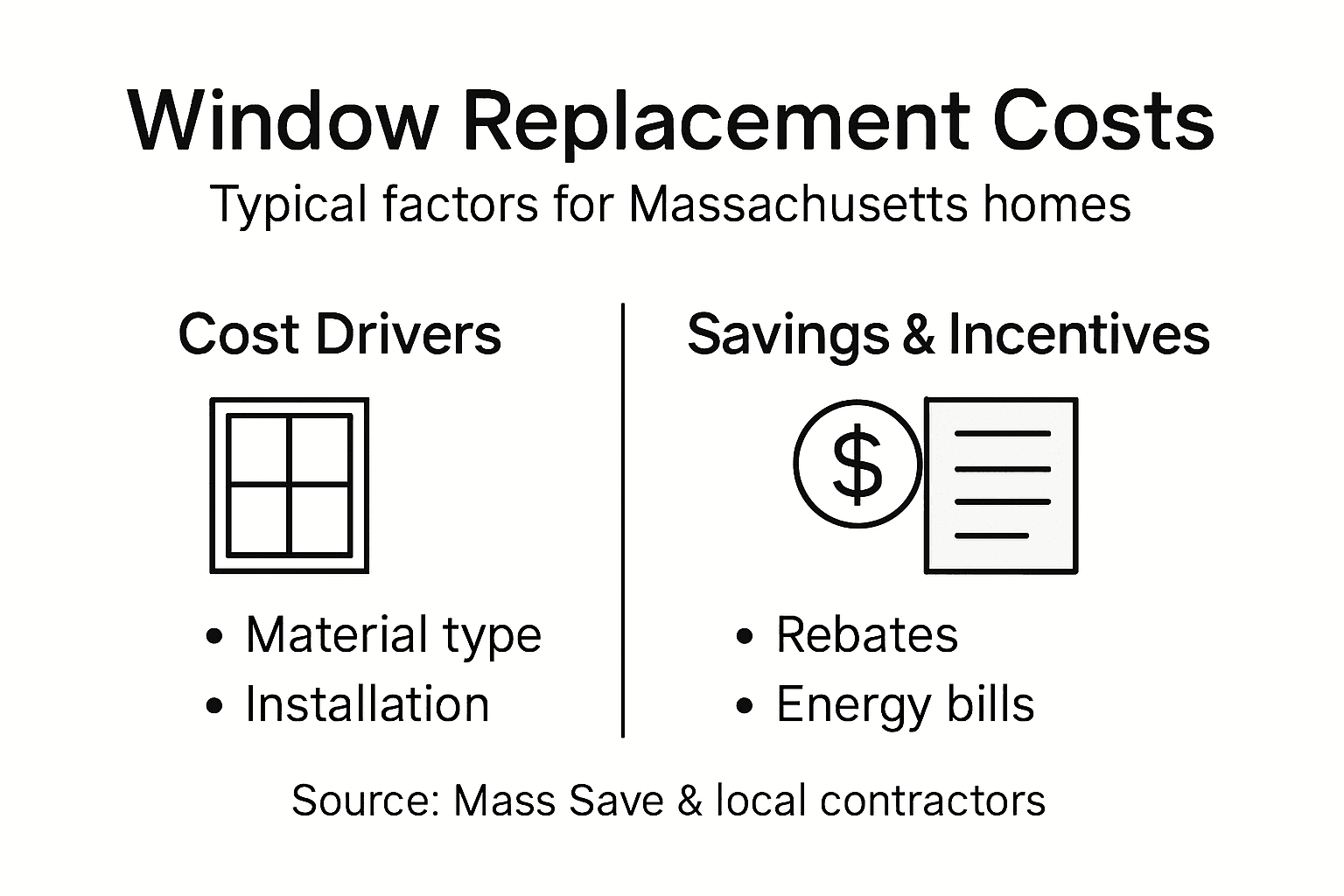
Accessing these incentives requires following specific steps that many homeowners overlook. The rebate process begins with a no-cost Home Energy Assessment that a contractor or energy auditor conducts at your home. During this assessment, they evaluate your entire home’s energy performance, not just your windows. This comprehensive approach matters because weatherization improvements often deliver better results when coordinated together. A properly sealed attic, enhanced insulation, and air-sealing work can complement your new windows and maximize total energy savings. Many homeowners make the mistake of installing new windows without addressing these complementary improvements, missing opportunities to optimize their energy performance. The assessment identifies which weatherization steps will deliver the greatest return on investment for your specific home. If your contractor recommends completing certain weatherization improvements before or alongside your window replacement, take that advice seriously. These improvements aren’t unnecessary add-ons; they’re part of qualifying for the available rebates and ensuring your windows perform at their rated efficiency levels. Skipping proper assessment and weatherization steps means you might forfeit rebate eligibility and achieve only partial energy benefits from your new windows.
Common mistakes that cost homeowners thousands extend beyond missing rebate opportunities. Selecting the cheapest windows available without considering long-term performance represents a classic error. A contractor offering significantly lower prices than competitors might be using lower-quality windows, cutting corners on installation, or taking shortcuts on flashing and sealing. These economies surface later as air leaks, condensation problems, and premature window failure. Another mistake involves hiring contractors without verifying their Massachusetts building code knowledge. Not all contractors understand the current energy code requirements or the specifics of proper installation for your municipality. Some installers use outdated techniques that don’t account for modern code requirements around flashing, sealing, and structural support. Third-party verification matters here. Request references from recent Massachusetts projects, ask about their familiarity with the Stretch Code if your town adopted it, and verify that they carry appropriate licensing and insurance. A contractor quoting your project should spend time understanding your home’s specific conditions, your goals, and your budget constraints rather than simply sliding through a generic estimate process. Reasonable window replacement requires a contractor who treats your project as unique rather than applying the same solution to every home.
Timing your replacement strategically can influence both costs and quality. Spring and fall typically represent peak seasons for window contractors, meaning you might face longer wait times and less flexibility on scheduling. Winter and late summer often offer more availability and sometimes more competitive pricing as contractors manage slower periods. However, don’t let cost alone drive your timing decision. Windows in active failure mode, particularly those with broken seals or severe drafts, should be replaced sooner rather than later to prevent water damage and energy loss. Plan your project around your home’s actual needs while remaining flexible about the specific month you proceed.
Pro tip: Contact your local utility company or visit Mass Save to schedule a no-cost home energy assessment before requesting window replacement quotes, as this assessment determines your rebate eligibility and helps contractors recommend the most cost-effective window choices for your specific situation.
Upgrade Your Massachusetts Home with Expert Window Replacement
Facing the challenges of Massachusetts’ harsh climate and strict building codes can make window replacement stressful and complicated. You want windows that meet the state’s energy efficiency requirements, withstand freeze-thaw cycles, and maintain your home’s aesthetic value. At Sabatalo Contracting, we understand these specific pain points and focus on delivering code-compliant installations, superior sealing, and energy-efficient solutions that protect your home for years to come.
WINDOWS | Sabatalo Contracting specializes in providing expert window replacement services tailored to your home’s unique needs. Whether you prefer vinyl, fiberglass, or wood frames, our local expertise ensures your new windows meet Massachusetts building standards while enhancing comfort and curb appeal.

Don’t let subpar installations or missed rebate opportunities cost you thousands. Contact Sabatalo Contracting today at https://sabatalocontracting.com to schedule a consultation. Experience the confidence of working with a trusted contractor who knows Massachusetts homes inside and out. Request your custom quote now and take the first step toward a more comfortable, energy-efficient home.
Frequently Asked Questions
What are the benefits of replacing windows in my home?
Replacing windows improves energy efficiency, enhances comfort, reduces heating costs, and increases your home’s value. New windows also provide better weather resistance and require less maintenance compared to older models.
How do I choose the right type of replacement windows for my home?
Consider your home’s architectural style, local climate, and your budget. Popular options include double-hung windows for traditional aesthetics and vinyl windows for durability and low maintenance.
What are the Massachusetts building code requirements for window replacement?
Replacement windows must meet specific structural and energy efficiency standards set by the Massachusetts building code. Compliance ensures they can withstand the local climate and help reduce heating costs.
What steps should I follow during the window replacement process?
The process includes assessing the condition of existing windows, selecting materials, accurately measuring openings, preparing for installation, and ensuring proper sealing and flashing to prevent air and water infiltration.
Recommended
