Choosing the right roofer for your Massachusetts home is more than just finding someone with the right tools. The state’s official roofing license is not simply a piece of paper but a safeguard ensuring your contractor meets strict safety, competency, and legal standards set by Massachusetts authorities. By prioritizing a licensed professional, you protect your home’s structural integrity and curb appeal while securing essential consumer protections that unlicensed work cannot offer.
Table of Contents
- What A Roofing License Means In Massachusetts
- Types Of Roofing Licenses And Registrations
- Eligibility, Exams, And Application Process
- Legal Requirements And Building Code Standards
- Risks Of Unlicensed Roofing Work
- Verifying A Roofer’s Credentials And Insurance
Key Takeaways
| Point | Details |
|---|---|
| Roofing License Importance | A roofing license in Massachusetts ensures that contractors meet legal and safety standards, protecting homeowners from substandard work. |
| Types of Licenses | Contractors must hold specific licenses based on project scope; ensure your chosen roofer has the appropriate license for your job. |
| Risks of Unlicensed Work | Hiring unlicensed roofers exposes you to financial, legal, and safety risks, including lack of insurance and substandard construction. |
| Verification is Key | Always verify a roofer’s credentials, including their license and insurance, to ensure compliance with state regulations before hiring. |
What a Roofing License Means in Massachusetts
A roofing license in Massachusetts represents official state recognition that a contractor is qualified and authorized to perform roofing work. It’s not just a certificate hanging on a wall. This state-recognized credential signals that a contractor has passed required examinations, secured necessary registrations, and adheres to legal and building code standards set by Massachusetts authorities. When you hire a licensed roofer, you’re hiring someone who has proven their competency through rigorous testing and meets ongoing regulatory requirements. The state takes this seriously because roofing directly impacts your home’s structural integrity and safety.
In practice, Massachusetts roofing contractors typically hold either a Construction Supervisor License (CSL) or Home Improvement Contractor (HIC) registration. These licenses establish the contractor’s legal ability to perform roofing projects and distinguish qualified professionals from unlicensed operators. The licensing framework protects you as a homeowner by ensuring that whoever is working on your roof has verified work experience, carries appropriate insurance coverage, and understands proper procedures. This means fewer shortcuts, fewer safety violations, and fewer disputes when the project is complete.
Why does this matter to you specifically? Consider this: An unlicensed roofer might offer a lower price, but they operate outside the legal system. If something goes wrong, you have minimal recourse. You cannot file complaints with state regulators, you likely lack consumer protections, and your homeowner’s insurance might not cover damage caused by unlicensed work. A licensed roofer, by contrast, is accountable to state authorities and subject to ongoing compliance requirements. They understand Massachusetts building codes, they follow proper installation standards, and they’re motivated to maintain their license by performing quality work. When you work with professional roofers who meet Massachusetts standards, you gain peace of mind that extends far beyond the initial installation.
Pro tip: Before hiring any roofer, always verify their license status directly with the Massachusetts Building Trades Licensing Board or ask to see their current license documentation. Request written proof of their license number and confirm it matches their business name.
Types of Roofing Licenses and Registrations
Massachusetts doesn’t have just one roofing license. The state offers several distinct types, each designed for specific project scopes and contractor qualifications. Understanding which license applies to your roofer matters because it determines the types of projects they’re legally authorized to perform. An unlicensed operation or a roofer working outside their license scope puts your project at risk and violates state regulations.
The most common licenses are variants of the Construction Supervisor License (CSL). There’s the Unrestricted CSL, which allows contractors to work on commercial projects and large residential jobs without limitations. Then there’s the CSL for one- and two-family dwellings, which restricts work to typical residential roofing projects on homes with one or two units. Massachusetts also offers Specialty CSLs that focus on specific trades like roof coverings, giving contractors targeted expertise in their particular roofing specialty. Alongside these, the Home Improvement Contractor (HIC) registration applies to contractors working on existing one- to four-unit residential properties. Each license type addresses different scopes of roofing work and comes with unique restrictions and qualifications that contractors must follow.
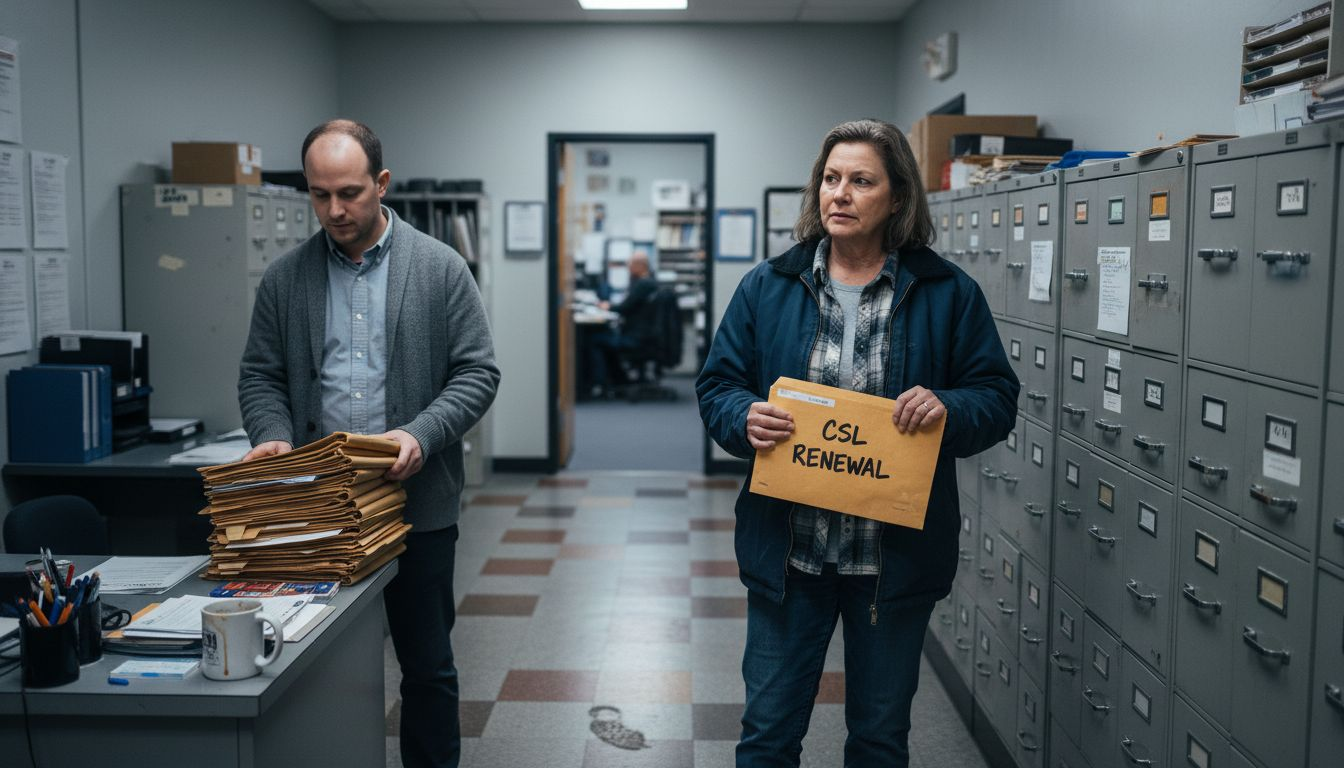
Here’s what this means for you as a homeowner. If you’re hiring someone to re-roof your single-family home, they should have at minimum a CSL for one- and two-family dwellings or an HIC registration. If they’re doing extensive renovation work that includes roofing modifications on your residential property, the HIC registration becomes relevant. A contractor with only an Unrestricted CSL might seem overqualified, but they’re perfectly legal to work on your roof. The key is confirming they hold the appropriate license for your specific project type. Don’t assume a licensed roofer can handle every type of roofing work, because licensing restrictions exist to protect both you and the contractor.
Pro tip: Ask your potential roofer to clearly explain which specific license they hold and why it applies to your project, then verify that license type matches the scope of work you need done.
Here’s a side-by-side comparison of Massachusetts roofing license types and what projects they’re best suited for:
| License Type | Qualified Project Types | Typical Holder Qualifications | Legal Restrictions |
|---|---|---|---|
| Unrestricted CSL | Commercial builds, large multi-family homes | Advanced construction experience, passed full CSL exam | No size or type limitations |
| CSL (1-2 Family) | Standard single- or two-family homes | Residential construction experience, specialty exam | Limited to one- and two-unit dwellings |
| Specialty CSL | Roofing installations, targeted renovations | Proven expertise in a specific roofing trade | Only covers specific trade tasks |
| HIC Registration | Improvements, repairs on 1-4 unit residences | Residential project background, registration process | Restricted to existing residential structures |
Eligibility, Exams, and Application Process
Becoming a licensed roofer in Massachusetts requires meeting specific eligibility criteria before you can even sit for the exam. Applicants must demonstrate verified work experience in construction or roofing, though the exact number of years varies depending on the license type you’re pursuing. This isn’t just paperwork verification either. Massachusetts takes this seriously because your roofer’s background directly affects the quality and safety of work performed on homes throughout the state. The state wants proof that someone has actually done the work, not just studied it in a classroom.
Once you meet the experience requirements, the next step is the Massachusetts Construction Supervisor License exam, which is administered by Prometric. This exam covers construction knowledge, safety protocols, and regulatory standards specific to Massachusetts building codes. It’s a comprehensive assessment designed to ensure that licensed contractors understand not just how to install roofing, but why proper installation matters for structural integrity and homeowner safety. After passing the exam, applicants submit documentation along with their score report through official state channels. For contractors planning to work on residential home improvements, additional registration as a Home Improvement Contractor may be required, along with payment of regulatory fees.
The entire process involves several moving parts. First, you’ll submit your exam registration form with proof of work experience. Then you’ll schedule your exam through Prometric and take the test. Once you pass, you’ll mail your score report to the appropriate state agency along with your application materials. This can take weeks or even months from start to finish, so don’t expect instant licensing. After receiving your license, you’re not done either. Massachusetts requires contractors to maintain their license through renewals and compliance with any continuing education requirements that may apply to your specific license type. When you hire a roofer, you can ask about their renewal status as confirmation they’re staying current with state requirements.
Pro tip: Request to see your roofer’s current license and check the expiration date, then ask when they last renewed it or completed any required continuing education to confirm they’re actively maintaining their credentials.
Legal Requirements and Building Code Standards
Massachusetts building codes exist for one reason: to protect your home and your safety. When a licensed roofer takes on your project, they’re legally bound to follow these standards, which cover everything from materials to installation methods to structural resilience. This isn’t bureaucratic red tape. These codes represent decades of experience learning what works and what fails when New England weather pounds your roof with rain, snow, ice, and wind. A properly installed roof following Massachusetts standards will protect your investment for decades. A shortcut installation might look fine for a few years before costly problems emerge.
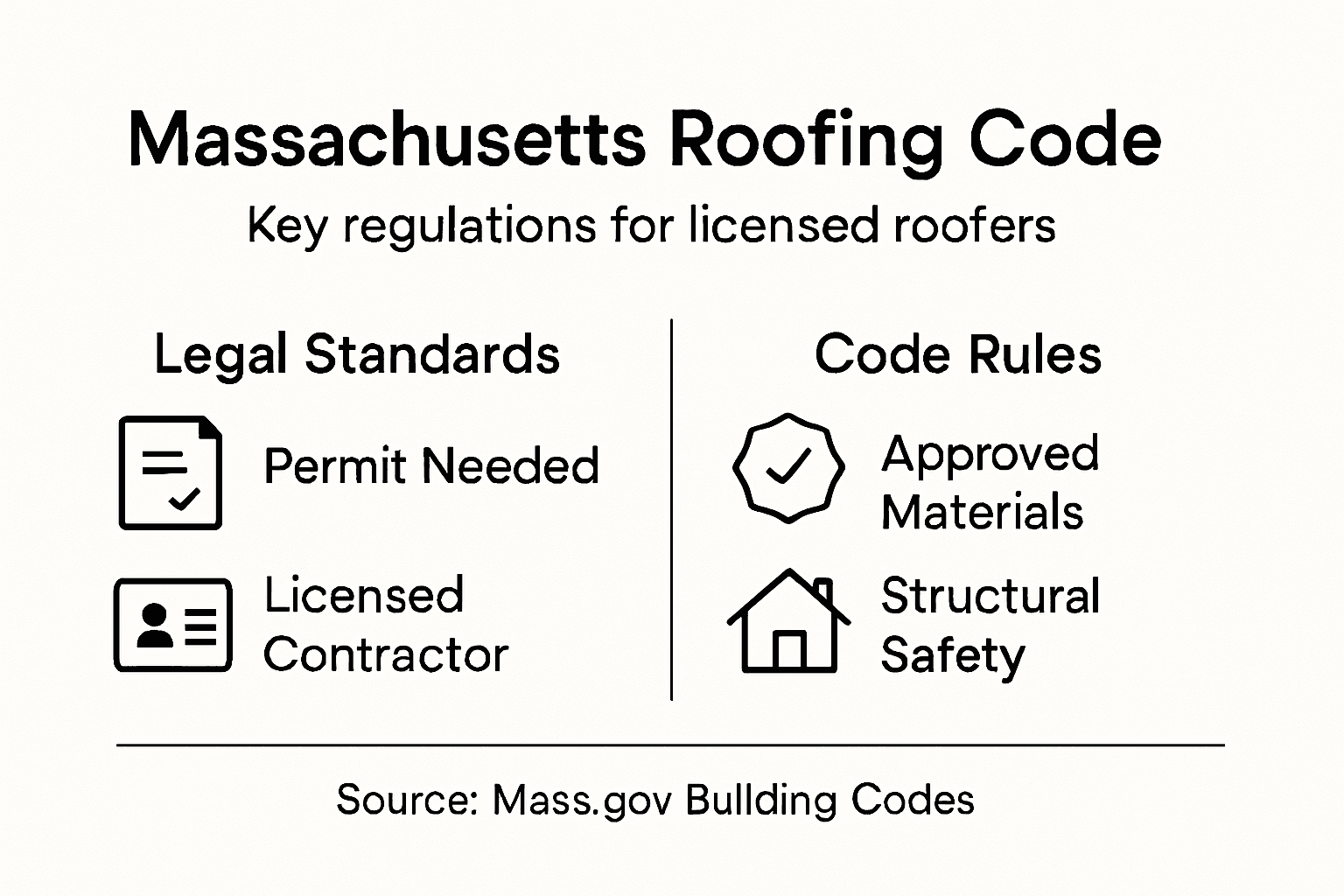
The state requires roofing contractors to use approved materials installed according to manufacturers’ instructions. This sounds obvious, but it matters because some contractors might try to substitute cheaper materials or skip steps to cut costs. Massachusetts specifically limits shingle layering to prevent excess weight on your structure and requires effective leak-proof measures including underlayment layers and rust-resistant flashing. These aren’t suggestions. They’re legal requirements that roofing contractors must follow to maintain compliance. When water eventually finds its way to your roof (and it will), these multiple protective layers are what stand between a minor repair and catastrophic water damage inside your home.
Beyond materials and installation methods, Massachusetts law requires roofs to be structurally sound and capable of resisting local weather conditions. This means your roofer must assess your home’s existing structure, ensure proper ventilation, and confirm that your roof can handle the weight of snow and ice accumulation common to the region. Licensed contractors understand these requirements because they learned them during their exam process and continuing education. When you hire an unlicensed roofer, you’re not just taking a risk on quality. You’re potentially violating building codes, which could affect your homeowner’s insurance coverage, create liability issues if someone is injured, and make it difficult to sell your home later when inspectors discover code violations.
Pro tip: Before your roofer begins work, ask them to walk you through the specific Massachusetts building code requirements for your project and explain how their proposed installation meets those standards.
Risks of Unlicensed Roofing Work
Hiring an unlicensed roofer might seem like a way to save money upfront, but it exposes you to financial, legal, and safety risks that far outweigh any initial savings. An unlicensed contractor operates outside the regulatory framework designed to protect Massachusetts homeowners. They don’t answer to state authorities, they aren’t required to carry proper insurance, and if something goes wrong, you have virtually no legal recourse. The temptation to accept a low bid from someone working without a license is real, especially when licensed contractors charge more. Stop and think about what you’re actually trading away.
Unlicensed roofing work creates multiple problems. First, there’s substandard construction because unlicensed workers often lack the training to understand why Massachusetts building codes exist. They might skip underlayment layers, use inferior materials, or install shingles incorrectly just to finish faster. This means your roof fails prematurely, leading to leaks, water damage, and structural deterioration. Beyond quality issues, unlicensed work violates Massachusetts building codes, which can void warranties and create legal complications. If you ever need to file an insurance claim for roof damage, your insurer might deny coverage because the work wasn’t performed by a licensed, insured contractor. This has happened to countless Massachusetts homeowners who thought they were saving money.
Then there’s the liability exposure. If someone is injured on your property during unlicensed roofing work, you could be held responsible for medical bills and damages. An unlicensed contractor has no workers compensation insurance, which means you’re personally liable if they’re hurt. You also have no protection if the contractor vanishes mid-project, takes your money, and never returns. With a licensed contractor, you can file complaints with state regulators and have recourse through the legal system. When selling your home later, inspectors will discover unlicensed or code-violating roofing work, which can kill the sale or force you to pay for expensive corrections before closing. The fines and legal complications alone can cost thousands of dollars.
The risk extends beyond your wallet. A poorly installed roof compromises your home’s structural integrity and your family’s safety during storms. When you hire a licensed roofer with proper insurance and bonding, you’re protecting your investment, your family, and your peace of mind.
Pro tip: Always request proof of licensure, workers compensation insurance, and general liability insurance before signing any contract with a roofer, and verify that insurance is current and adequate for your project scope.
Below is a summary of key risks when hiring an unlicensed roofer versus a licensed professional in Massachusetts:
| Risk Area | Licensed Roofer | Unlicensed Roofer |
|---|---|---|
| Legal Recourse | Full consumer protection, complaint filing | Limited or no legal rights |
| Insurance Coverage | Homeowner’s insurance likely to honor claims | Claims often denied by insurers |
| Safety Standards | Follows Massachusetts building codes | May ignore required safety codes |
| Financial Exposure | Contractor carries liability and workers compensation | Homeowner exposed to all liabilities |
Verifying a Roofer’s Credentials and Insurance
Verifying a roofer’s credentials before you sign a contract isn’t optional. It’s the single most important step you can take to protect yourself. A licensed roofer will welcome your verification efforts because they have nothing to hide. An unlicensed or dishonest contractor will make excuses or become defensive when you ask to confirm their license. Take that as a red flag and move on to the next candidate.
Massachusetts makes verification straightforward. You can use the state’s online License Verification Site managed by the Office of Public Safety and Inspections to confirm a roofer’s Construction Supervisor License status. The search tool allows you to query by name, license number, profession, or city, giving you multiple ways to verify a contractor’s license status. When you search, you’re confirming that the contractor holds an active, valid license and that they meet regulatory requirements. You can also access the state’s professional license database through the Office of Consumer Affairs and Business Regulation to review disciplinary history and registration status. This matters because it shows whether a contractor has faced complaints or violations in the past.
License verification is just the starting point. You also need to confirm workers compensation insurance and general liability insurance. Ask your roofer for certificates of insurance and verify they’re current and adequate for your project scope. Contact their insurance provider directly to confirm coverage rather than just accepting documentation, because some contractors use forged insurance papers. A legitimate roofer should carry at least one million dollars in general liability coverage and workers compensation insurance for their employees. If they’re reluctant to provide proof or claim they don’t need it, walk away. Finally, request references from recent projects and call at least three of them. Ask about timeline, quality, communication, and whether any issues arose after completion. These conversations reveal how a contractor actually operates in real situations, not just what they claim in their marketing materials.
Pro tip: Create a simple checklist before calling roofers: verify license online, request current insurance certificates, confirm coverage amounts directly with insurers, and call at least three recent clients to ask about their experience.
Trust Licensed Professionals for Your Massachusetts Roofing Needs
Navigating the complexities of Massachusetts roofing licenses and ensuring strict compliance with state building codes can feel overwhelming. The risks of hiring unlicensed contractors include substandard work, legal troubles, and potential insurance denials. If you want a roof that stands strong against New England weather and guarantees safety and durability, choosing a licensed and insured professional is critical. Sabatalo Contracting & Home Improvement has over 15 years of local expertise delivering quality roofing services that meet Massachusetts standards.
Our team understands the importance of licensing credentials like the Construction Supervisor License and Home Improvement Contractor registration. We follow all legal requirements and building codes to protect your home and investment. Explore our expert Roofing services for residential and commercial projects. From thorough inspections to top-tier installations, we provide transparent, trustworthy craftsmanship backed by a solid local reputation.

Protect your home with confidence and avoid the pitfalls of unlicensed work. Visit Sabatalo Contracting & Home Improvement today to schedule your consultation and request a quote. Learn more about our full range of exterior solutions including Siding and Decks to enhance your property’s value and curb appeal. Act now to secure peace of mind with licensed professionals you can rely on.
Frequently Asked Questions
What does a roofing license mean in Massachusetts?
A roofing license in Massachusetts indicates that a contractor is officially recognized by the state as qualified to perform roofing work, having passed necessary exams and adhered to building codes and regulations.
Why is it important to hire a licensed roofer?
Hiring a licensed roofer ensures you receive quality work performed by a qualified professional who complies with state regulations, protecting your home’s structural integrity and your own legal rights as a homeowner.
What types of roofing licenses exist in Massachusetts?
Massachusetts primarily offers types of licenses such as the Unrestricted Construction Supervisor License (CSL), CSL for one- and two-family dwellings, Specialty CSLs focused on specific trades, and Home Improvement Contractor (HIC) registrations.
How can I verify a roofer’s licensing and insurance status?
You can verify a roofer’s licensing and insurance status by using the Massachusetts online License Verification Site and asking for certificates of insurance. It’s also wise to confirm coverage amounts directly with their insurance provider.
Recommended
- Professional Roofers: Raising Standards in Massachusetts | Sabatalo Contracting
- Professional Roofers Near Me: What Homeowners Need | Sabatalo Contracting
- Roof Replacement Options for Massachusetts Homes | Sabatalo Contracting
- Roofing Contractors in Massachusetts | Sabatalo Contracting
- Roofers Public Adjusters And Profit – Insurance Public Adjusters USA
