
Replacing old windows can feel overwhelming for many Massachusetts homeowners, especially when rising utility bills and drafty rooms start to affect comfort. Addressing heat loss and gain through windows is not just about upgrading your home’s look—it directly tackles a critical energy issue, since windows account for 25 to 30 percent of residential heating and cooling energy use. This guide walks you through smart choices for window replacement, from cost-saving technologies to rebates and ratings designed for the Massachusetts climate.
Table of Contents
- Window Replacement Explained For Massachusetts Homes
- Modern Window Types And Efficiency Trends
- Eligibility, Rebates, And Local Incentive Programs
- Step-By-Step Replacement And Installation Process
- Cost Factors, Common Mistakes, And Avoiding Pitfalls
- Choosing A Reliable Window Contractor Locally
Key Takeaways
| Point | Details |
|---|---|
| Energy Efficiency is Crucial | Upgrading to ENERGY STAR certified windows can reduce heating and cooling bills by up to 13%, addressing significant energy loss in Massachusetts homes. |
| Choose Climate-Appropriate Options | Selecting windows specifically rated for Massachusetts climate enhances energy performance and comfort, focusing on U-factor and Solar Heat Gain Coefficient ratings. |
| Financial Incentives Available | Homeowners can benefit from federal tax credits and state rebates for window replacements, making energy-efficient upgrades more affordable. |
| Effective Contractor Selection | Hiring a qualified, licensed contractor with local experience is vital for successful window installation and compliance with Massachusetts building codes. |
Window replacement explained for Massachusetts homes
Window replacement isn’t just about aesthetic upgrades. It’s about addressing a fundamental energy loss problem in your home. Heat gain and loss through windows accounts for 25-30% of residential heating and cooling energy use, which means your windows might be the single biggest drain on your utility bills.
For Massachusetts homeowners, this is especially significant. Your climate demands windows that handle cold winters and moderate summers. When you replace old single-pane windows with modern alternatives, you’re not dealing with one simple decision. You need to evaluate frame types, glazing options, gas fills between panes, and spacer materials. Each choice affects how your windows perform in your specific climate zone.
Before jumping into replacement, understand your actual options. You can update existing windows through weatherstripping, caulking, or adding storm windows. However, if your windows are old, drafty, or showing condensation between panes, replacement becomes the more practical choice. ENERGY STAR certified windows specifically reduce household energy bills by up to 13% when replacing single-pane windows, making the investment worthwhile.
The certification process matters here. ENERGY STAR and NFRC ratings guide your selection by climate zone. Massachusetts falls into specific climate classifications that require particular window specifications. Look for these ratings on product labels. They tell you exactly how a window will perform in your conditions.
Federal tax credits and state rebates currently support window replacement projects, reducing your upfront costs. ENERGY STAR maintains current information on available incentives and eligible window types. These financial supports make energy-efficient replacements more affordable than many homeowners realize.
Pro tip: Get windows rated specifically for Massachusetts climate zones rather than buying based on appearance alone. The right ratings ensure your replacement windows deliver real energy savings and comfort improvements for decades.
Modern window types and efficiency trends
Window technology has evolved dramatically over the past decade. Gone are the days when all windows looked and performed the same. Today’s options range from standard double-pane units to advanced smart glass that adapts in real time. For Massachusetts homeowners, understanding these options means making choices that directly impact comfort and savings.
Triple-pane windows have become the standard for energy-conscious upgrades in cold climates. These windows sandwich two layers of gas (usually argon or krypton) between three panes of glass, creating superior insulation compared to older double-pane designs. The additional pane adds cost upfront but significantly reduces heating expenses during Massachusetts winters. They also perform better at reducing condensation and outdoor noise.
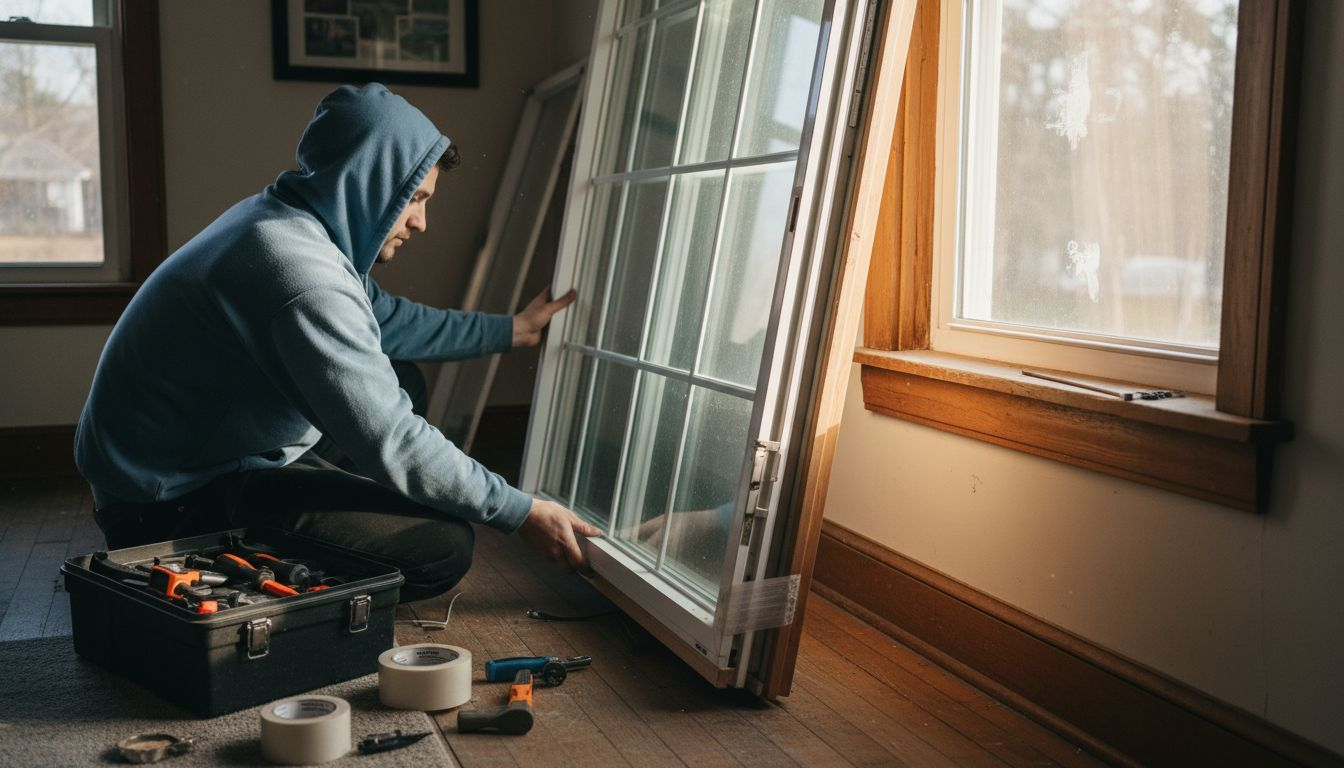
Low-emissivity coatings represent another major advancement. These microscopic coatings reflect heat back into your home during winter while blocking solar heat in summer. Combined with advanced insulation spacers and improved frame materials, modern windows deliver measurable performance improvements. Look for U-factor and Solar Heat Gain Coefficient ratings that match your climate zone.
The cutting edge of window technology includes dynamic electrochromic windows that adjust their tint electronically. These smart windows reduce heating, cooling, and lighting energy use while improving occupant comfort. While currently more expensive, they’re expected to make significant impacts on energy efficiency by 2030 as production scales and costs decrease.
Smart glazing and high-performance options also protect your home’s interior. UV-blocking properties prevent furniture fading and reduce cooling loads. Better insulation means more consistent indoor temperatures and reduced drafts that create uncomfortable cold spots near windows during winter.
Below is a summary of window technology features and their core benefits for Massachusetts climates:
| Technology/Feature | Main Benefit | Seasonal Impact |
|---|---|---|
| Triple-pane glass | Superior insulation | Winter energy savings |
| Low-emissivity coatings | Reduces heat loss/gain | Year-round comfort |
| Gas fills (argon/krypton) | Lowers thermal transfer | Winter performance |
| Electrochromic smart glass | Adjusts tint for efficiency | Summer cooling |
Pro tip: Compare U-factor and Solar Heat Gain Coefficient ratings between options rather than focusing solely on aesthetics; these ratings determine real-world performance in Massachusetts climate conditions.
Eligibility, rebates, and local incentive programs
The upfront cost of window replacement can feel daunting, but Massachusetts homeowners have access to significant financial support. Federal tax credits, state rebates, and utility programs can dramatically reduce what you actually pay out of pocket. Understanding these options transforms a major expense into a more manageable investment.
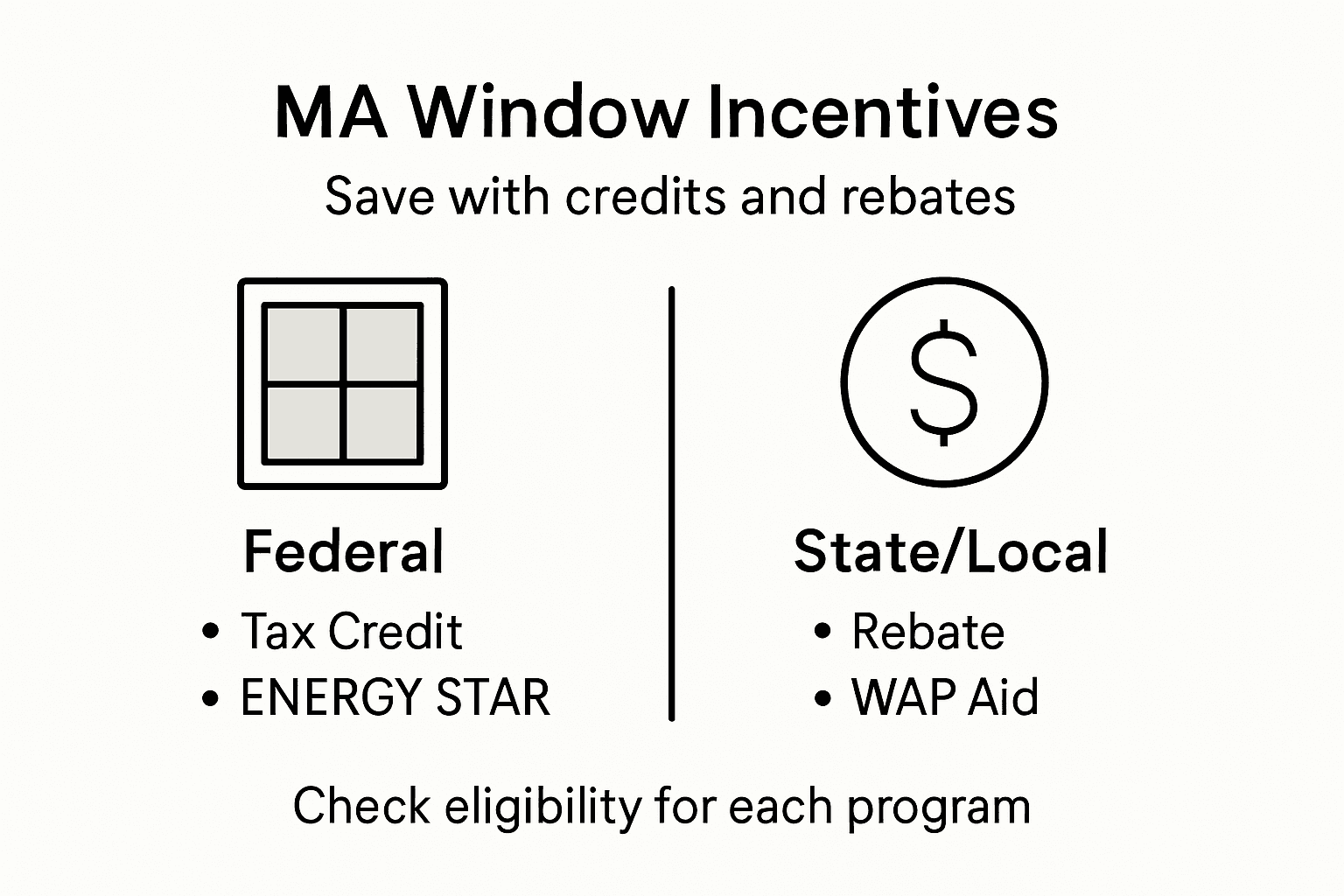
Federal tax credits up to 30% are available for eligible window replacements, though there are caps on total credits per household. To qualify, your windows must be ENERGY STAR certified, installed between January 1, 2023, and December 31, 2025, and meet ENERGY STAR Most Efficient standards for your climate zone. This means not every window qualifies. You need windows specifically rated for Massachusetts conditions.
Beyond federal credits, Massachusetts offers state and utility rebates that work independently from federal incentives. Many utility companies provide rebates ranging from a few hundred to over a thousand dollars depending on the efficiency level of your windows. These programs stack with federal credits, meaning you can claim both on the same project. Check with your local utility provider to see current rebate amounts and requirements.
Low-income households should investigate the Weatherization Assistance Program, which supports energy-efficient home improvements including window replacement. This program removes financial barriers for families who need upgrades most. Eligibility is based on household income, and the program covers a significant portion of project costs.
Timing matters here. Federal tax credits expire after December 31, 2025, so acting sooner captures this valuable benefit. State and utility rebates change periodically, so delaying replacement could mean missing out on available funds.
Pro tip: Request quotes from contractors like Sabatalo Contracting and ask them to identify which windows qualify for federal tax credits and local rebates specific to your address, then have them calculate your true out-of-pocket cost after all incentives.
Step-by-step replacement and installation process
Window replacement isn’t a weekend DIY project for most homeowners. The process requires precision, building code compliance, and skilled installation to protect your home’s energy efficiency and structural integrity. Understanding what happens from start to finish helps you prepare and set realistic expectations.
The first decision involves assessing your current windows. Are they beyond repair, or would updating them with weatherstripping and caulking extend their life? Updating existing windows through sealing leaks and adding storm windows can improve efficiency temporarily, but full replacement becomes necessary when windows are damaged, rotting, or severely drafty.
Once you commit to replacement, selecting the right windows comes next. You’ll choose frame materials, glazing types, gas fills between panes, and operation types. ENERGY STAR certification matters here because it ensures your windows perform well in Massachusetts conditions. A qualified contractor reviews these specifications with you and explains how each choice affects your home’s performance and your utility bills.
Before installation begins, check permit requirements. Massachusetts State Building Code regulates window replacement with focus on energy conservation compliance, structural integrity, and safety. Permits may be required in your municipality. Professional installers handle this, ensuring compliance with the 2021 International Energy Conservation Code and Massachusetts amendments.
Installation involves removing old frames, preparing openings, and installing new windows with proper flashing to prevent water infiltration. Trained professionals seal everything according to code, ensuring no air leaks compromise your energy savings. The entire process typically takes one to three days depending on the number of windows.
After installation, your contractor verifies everything works properly and provides warranty documentation. Proper installation directly impacts long-term performance, so hiring experienced professionals protects your investment.
Pro tip: Ask potential contractors about their Massachusetts Building Code experience and request references from recent window replacement projects in your area.
Cost factors, common mistakes, and avoiding pitfalls
Window replacement costs range dramatically depending on choices you make. A single window might cost between $300 and $1,200 installed, but your total project depends on quantity, quality, and complexity. Understanding what drives costs helps you avoid overpaying or making penny-wise, pound-foolish decisions.
Frame material significantly impacts price. Vinyl frames cost less upfront but may have shorter lifespans. Fiberglass and aluminum frame options offer durability but carry higher price tags. Glazing choices matter too. Triple-pane windows with low-emissivity coatings perform better in Massachusetts winters but cost more than basic double-pane alternatives. Gas fills, spacer types, and operation styles all add to the final bill.
Here’s a quick comparison of major window frame materials commonly used in Massachusetts homes:
| Frame Material | Cost Range (per window) | Durability | Energy Efficiency |
|---|---|---|---|
| Vinyl | $300–$700 | 15–20 years | Good |
| Fiberglass | $600–$1,200 | 30+ years | Excellent |
| Aluminum | $400–$1,000 | 20–25 years | Moderate |
| Wood | $700–$1,500 | 20–30 years | Very Good |
Permits and compliance add hidden costs. Massachusetts building code requirements mean inspection fees and potential delays if work doesn’t meet standards. Professional installation costs more than cutting corners, but improper installation is one of the most expensive mistakes homeowners make. Poor installation creates air leaks that completely undermine your energy savings.
One critical mistake involves choosing windows not suited for your climate. Selecting windows without proper energy performance ratings for Massachusetts conditions wastes money on inefficient products. Another pitfall is ignoring warranty details. Some warranties cover only the window itself, while others include installation labor. This difference matters when problems arise.
Skipping qualified contractors creates long-term problems. Unlicensed installers may work cheaper initially but create code violations and performance issues. Verify that your contractor has Massachusetts experience and proper licensing before hiring. Request references from recent window projects in your area.
Avoid underestimating project complexity. Weather delays, structural surprises, or custom sizing can increase costs. Budget for contingencies rather than assuming everything goes smoothly.
Pro tip: Get three detailed quotes that itemize window costs, installation fees, permits, and warranty coverage separately so you can compare apples to apples and spot hidden expenses.
Choosing a reliable window contractor locally
Not all window contractors are created equal. Your project outcome depends heavily on who you hire. A skilled, reputable contractor protects your investment and ensures your windows perform as designed. A poor choice creates headaches, cost overruns, and substandard results that haunt you for years.
Start by verifying licensing. Massachusetts contractors must be licensed through the Division of Occupational Licensure, which maintains records of credentials, complaints, and disciplinary actions. Check this database before hiring anyone. Licensed contractors comply with state regulations and safety standards. This isn’t optional. It’s your baseline requirement.
Experience matters tremendously. Ask contractors specifically about their window installation background and how many projects they’ve completed in Massachusetts. Local experience means they understand your climate challenges and building code requirements. Contractors familiar with ENERGY STAR certified windows know how to select products suited to your area and install them correctly.
Request multiple references from recent projects. Call these references and ask specific questions. Did the contractor finish on time? Was the work clean? Have any issues appeared since installation? These conversations reveal patterns. A contractor with consistently satisfied customers proves their reliability.
Verify insurance coverage thoroughly. Window installation involves risks. Your contractor should carry liability insurance and workers compensation. Ask to see current certificates of insurance. This protects you if someone gets injured on your property or if damage occurs.
Compare detailed written quotes. Look for contractors who explain warranty coverage clearly. Some warranties cover only windows, while others include installation labor. Ask which party handles warranty claims if problems arise.
Trust your instincts. A reliable contractor communicates clearly, answers questions patiently, and provides honest assessments. If something feels off, move to the next contractor.
Pro tip: Interview at least three contractors and compare their licensing status, references, insurance documentation, and warranty terms side by side before making your final decision.
Enhance Your Massachusetts Home with Expert Window Replacement
Struggling with high energy bills and drafty windows in your Massachusetts home Discover how modern window technology and proper installation can transform your living space into a more comfortable and energy-efficient environment At Sabatalo Contracting, we specialize in delivering expertly installed, ENERGY STAR certified windows tailored for Massachusetts climate conditions Our extensive experience means you gain not only superior products but also compliance with local building codes and access to available incentives

Start your journey to improved home efficiency today by exploring our wide range of Windows | Sabatalo Contracting solutions Partner with a trusted local contractor who values integrity and quality from initial consultation through flawless installation Visit Sabatalo Contracting now to request your free quote and experience the difference of professional craftsmanship built to protect your investment and reduce energy costs
Frequently Asked Questions
What are the benefits of replacing old windows?
Replacing old windows can significantly reduce energy loss in your home, leading to lower heating and cooling costs. Modern windows also improve comfort by eliminating drafts and reducing noise.
How do I know if I need to replace my windows or just repair them?
If your windows are drafty, have condensation between the panes, or show signs of rotting, replacement is often the best option. If they are relatively new and just leaking air, repairs like weatherstripping and caulking may suffice.
What features should I look for in energy-efficient windows?
Look for windows with ENERGY STAR certification, triple-pane glass, low-emissivity coatings, and gas fills like argon or krypton. Additionally, pay attention to U-factor and Solar Heat Gain Coefficient ratings to ensure performance in your climate.
Are there financial incentives available for window replacement?
Yes, there are federal tax credits, state rebates, and utility programs available that can reduce the cost of window replacement. Check for specific eligibility requirements and available incentives that can apply to your project.
Recommended
- New Energy Efficient Windows: Lower Bills, Enhanced Comfort | Sabatalo Contracting
- Energy Efficient Impact Windows: Savings and Protection | Sabatalo Contracting
- Reasonable Window Replacement for Massachusetts Homes | Sabatalo Contracting
- When to Replace Windows: Guide for Massachusetts Homes 2025
- Energy Efficient Roofing: Lower Costs, Greater Comfort – J. A. Kelly Contracting Services
