Choosing the right exterior contractor in Massachusetts can feel overwhelming when you’re investing thousands into your home’s siding, roofing, or windows. You need someone licensed, experienced, and trustworthy who understands local regulations and delivers work that withstands New England weather. This guide walks you through verifying credentials, spotting red flags, understanding costs, and hiring confidently so your project protects your investment and enhances your home’s value for decades.
Table of Contents
- Understanding Massachusetts Licensing And Regulations For Exterior Contractors
- Spotting Red Flags: Avoid Scams And Unreliable Contractors
- Evaluating Costs And Materials: Making Smart Choices For Siding And Windows
- Hiring And Managing Your Exterior Contractor: Step-By-Step Guide
- Verifying Quality And Enjoying Lasting Benefits
- Trusted Exterior Contractors In Massachusetts For Your Home Upgrades
Key takeaways
| Point | Details |
|---|---|
| Licensing | HIC registration and CSL are required for exterior work on residential properties in Massachusetts. |
| Costs | Vinyl siding runs $6 to $9 per square foot, fiber cement $9 to $15, and windows cost $450 to $1,400 each installed. |
| Red flags | Avoid contractors demanding full upfront payment, lacking written contracts, or showing expired licenses. |
| Best practice | Prioritize contractors with 10+ years of Massachusetts experience and verify all required permits before work begins. |
| Energy savings | Quality window installation can reduce heating and cooling costs by up to 33%. |
Understanding Massachusetts licensing and regulations for exterior contractors
Massachusetts law protects homeowners by requiring specific licenses for exterior contractors working on residential properties. The Home Improvement Contractor (HIC) registration applies to contractors working on one to four unit owner-occupied homes, covering most siding, roofing, and window projects. You can verify HIC registration through the Mass.gov Contractor Hub before signing any agreement. The Construction Supervisor License (CSL) is required for supervisory roles on structural or permitted projects, ensuring qualified oversight of complex exterior work.
Permits are legally required for many siding and window installations in Massachusetts, particularly when structural changes occur or when local building codes mandate inspections. Working with licensed contractors protects you from liability if accidents happen on your property and ensures the work meets state building standards. Unlicensed contractors may cut corners, use substandard materials, or disappear after collecting payment, leaving you with costly repairs and no recourse.
Pro Tip: Before meeting any contractor, check their license status online and print the verification page. Ask to see their physical license and insurance certificates during your first consultation to confirm they match the online records.
When evaluating siding contractors in Massachusetts, verify they carry both HIC registration and adequate liability insurance. Licensed professionals understand local code requirements, pull necessary permits, and stand behind their work with valid warranties. This legal framework exists specifically to protect homeowners from fraud and ensure quality standards, so never skip this verification step regardless of how appealing a contractor’s bid may seem.
- Check HIC registration status on Mass.gov Contractor Hub
- Verify CSL license for structural or permitted projects
- Confirm contractor carries liability and workers’ compensation insurance
- Request proof of local permits before work begins
- Document all license numbers in your contract
Spotting red flags: avoid scams and unreliable contractors
Fraudulent contractors use predictable tactics to pressure homeowners into quick decisions and upfront payments. High-pressure sales tactics, such as limited time offers or claims of materials available only today, signal a contractor more interested in your money than your project. Legitimate contractors provide detailed written estimates and give you time to compare options. Red flags include demanding full payment upfront, refusing to provide written contracts, showing expired licenses, and having multiple unresolved complaints with consumer protection agencies.
Written contracts protect both parties by clearly defining project scope, materials, timelines, payment schedules, and warranty terms. Any contractor unwilling to provide a detailed written agreement should be immediately disqualified. Check the Better Business Bureau and the Massachusetts Office of Consumer Affairs and Business Regulation (OCABR) for complaint histories before hiring. Even one contractor, Lord Exteriors, operated with an expired HIC registration while continuing to solicit work, demonstrating why verification matters.
Local references provide invaluable insight into a contractor’s reliability and quality. Ask for contact information for three to five recent projects in your area, then actually call those homeowners. Ask specific questions about communication, timeline adherence, cleanup, and how the contractor handled any issues that arose. Contractors with nothing to hide readily provide references and may even offer to show you completed projects in your neighborhood.
A reputable contractor welcomes verification. If someone resists providing references, detailed contracts, or license documentation, that resistance itself is the biggest red flag you’ll encounter.
Pro Tip: Search the contractor’s business name plus “complaints” or “reviews” online. Check multiple sources including Google reviews, Yelp, and local community forums to get a complete picture of their reputation.
When planning your exterior home remodel, document every interaction with potential contractors. Keep copies of estimates, license verifications, and reference notes. This documentation becomes critical if disputes arise and provides a clear record of promises made during the bidding process.
- Reject contractors demanding full upfront payment
- Verify all licenses are current before signing contracts
- Check BBB and OCABR complaint records
- Call at least three recent client references
- Document all communications and agreements in writing
For comprehensive protection, consider consulting resources like this exterior pest maintenance guide to understand how proper installation prevents future problems. Quality contractors address these details proactively rather than treating them as afterthoughts.
Evaluating costs and materials: making smart choices for siding and windows
Material selection dramatically impacts both upfront costs and long-term value. Vinyl siding costs $6 to $9 per square foot installed, offers low maintenance, and recoups 97% of its cost at resale. Fiber cement siding runs $9 to $15 per square foot but delivers exceptional durability lasting 30 to 50 years and superior fire resistance. Window installation costs range from $450 to $1,400 per unit depending on size, frame material, and energy efficiency ratings.
| Material | Cost per sq ft | Lifespan | Key benefit |
|---|---|---|---|
| Vinyl siding | $6 to $9 | 20 to 30 years | Low maintenance, 97% cost recovery |
| Fiber cement | $9 to $15 | 30 to 50 years | Superior durability, fire resistant |
| Double-pane windows | $450 to $800 | 15 to 20 years | Standard energy efficiency |
| Triple-pane windows | $800 to $1,400 | 20 to 30 years | Maximum insulation, 33% energy savings |
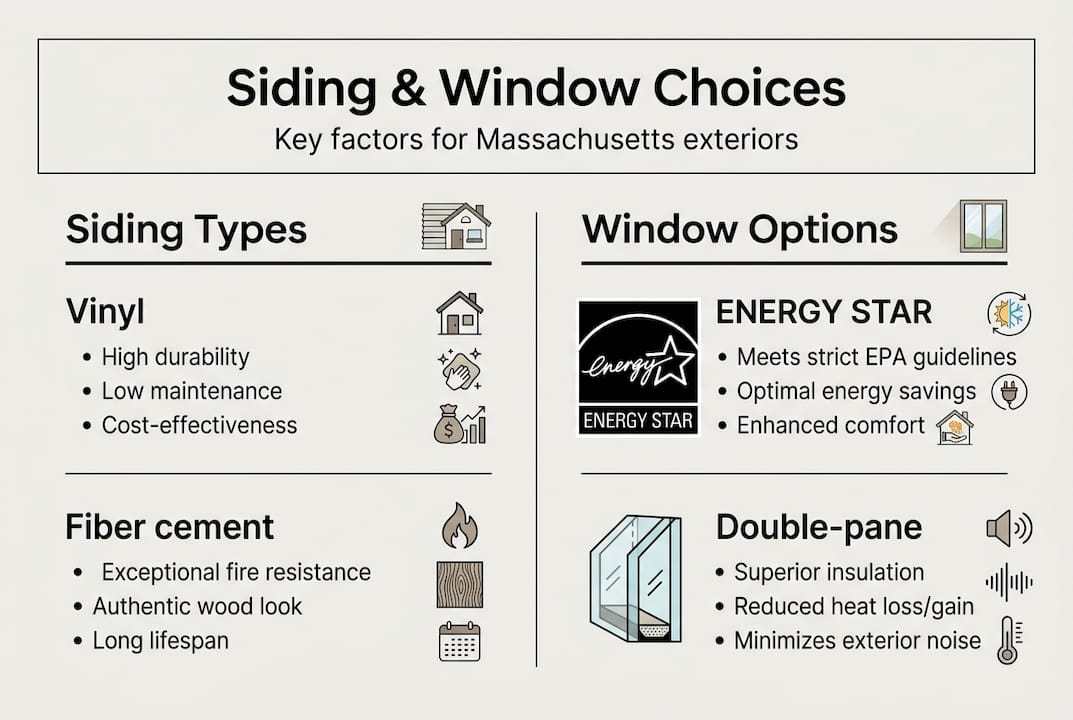
Energy-efficient windows deliver measurable savings beyond curb appeal. ENERGY STAR certified windows can reduce heating and cooling costs by up to 33%, paying for themselves over time through lower utility bills. In Massachusetts’ climate with cold winters and humid summers, this efficiency matters significantly. Proper installation with correct flashing, house wrap, and weatherproofing determines whether you realize these savings or lose them to air leaks and moisture intrusion.
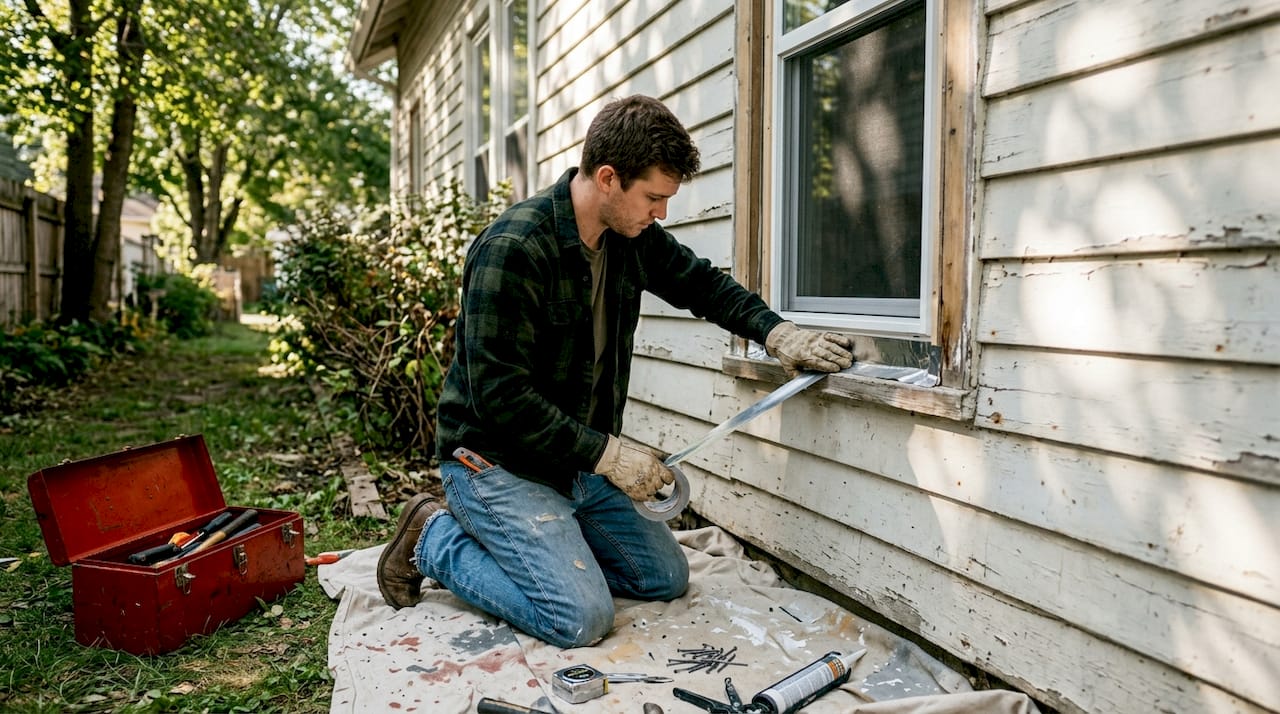
Installation best practices separate quality contractors from those cutting corners. Proper flashing around windows and doors prevents water infiltration that causes rot and mold. House wrap creates an essential moisture barrier behind siding. Permits ensure inspections verify code compliance at critical stages. These details cost contractors time and care, which is why less reputable contractors skip them.
Pro Tip: Bundle siding and window replacement projects to negotiate better rates. Contractors can work more efficiently when addressing your entire exterior at once, and you avoid the hassle of coordinating multiple projects and dealing with mismatched warranties.
When you notice signs you need new siding, acting promptly prevents water damage to your home’s structure. Delaying replacement allows moisture to penetrate sheathing and framing, exponentially increasing repair costs. Similarly, upgrading to energy-efficient windows in Massachusetts addresses both comfort and cost concerns while potentially qualifying for energy rebates.
For detailed technical guidance on maximizing window performance, review this window energy efficiency guide to understand how different glazing options impact your specific climate needs. The right combination of frame material, glass coatings, and gas fills optimizes performance for Massachusetts weather patterns.
Hiring and managing your exterior contractor: step-by-step guide
Successful exterior projects follow a systematic hiring process that protects your investment and ensures quality results. Start by researching licensed contractors with proven track records specifically in Massachusetts. Contractors with 10+ years of local experience understand how to build for harsh New England weather, including proper ice dam prevention, wind resistance, and moisture management unique to our climate.
- Research three to five licensed contractors with strong local reputations and verified credentials
- Request detailed written bids specifying exact materials, labor costs, timeline, and payment schedule
- Check references by calling recent clients and asking about communication, quality, and problem resolution
- Compare bids carefully, looking beyond price to evaluate material quality and warranty terms
- Sign a comprehensive written contract before any work begins or deposits are paid
- Verify the contractor pulls all required permits and schedules necessary inspections
- Monitor installation progress to ensure it follows industry best practices and contract specifications
- Withhold final payment until you’ve inspected completed work and confirmed permit sign-offs
Written contracts must include detailed scope of work, specific material brands and grades, project start and completion dates, payment schedule tied to milestones, warranty terms for materials and labor, and permit responsibilities. Never accept verbal agreements or vague contract language. Ambiguity benefits contractors when disputes arise, leaving homeowners with limited recourse.
Pro Tip: Create a project checklist covering every contract detail before signing. Review it with the contractor and get written confirmation of any verbal promises or clarifications. This simple step prevents misunderstandings that derail projects.
Common mistakes include rushing into agreements without proper verification, making large upfront payments before work begins, accepting verbal-only agreements, failing to confirm permit requirements, and not documenting change orders in writing. Each mistake increases your risk of disputes, delays, or substandard work.
When selecting window contractors in Massachusetts, prioritize those who explain their installation process in detail and show you examples of proper flashing and weatherproofing. Similarly, experienced roofing contractors in Massachusetts should discuss ventilation, ice dam prevention, and how they’ll protect your property during tear-off and installation.
- Get everything in writing before work starts
- Tie payments to completed milestones, not calendar dates
- Verify permit acquisition before allowing work to begin
- Document any changes to original scope with written change orders
- Retain 10 to 15% of total cost until final inspection approval
Verifying quality and enjoying lasting benefits
Inspecting completed work ensures you receive the quality you paid for and protects your investment. Check that siding lies flat without waves or gaps, corners fit tightly with proper trim, and all seams align correctly. Window installations should show neat caulking with no gaps, operate smoothly, and display properly installed flashing visible from inside the wall cavity if accessible. Verify the contractor posted permits and scheduled final inspections as required by local building departments.
Quality installation delivers measurable benefits beyond aesthetics. Proper installation increases energy efficiency by eliminating air leaks and improving insulation performance. You’ll notice more consistent indoor temperatures, reduced drafts, and lower utility bills within the first heating or cooling season. These improvements also reduce strain on your HVAC system, potentially extending its lifespan.
Maintaining your new exterior preserves its appearance and performance. Clean vinyl siding annually with a garden hose or soft brush to prevent mildew buildup. Inspect caulking around windows and doors each spring, reapplying where gaps appear. Check that gutters drain properly to prevent water from running down siding. These simple maintenance tasks take minimal time but significantly extend your exterior’s lifespan.
Long-term benefits include increased home value, improved curb appeal, and reduced repair costs. Quality materials installed correctly last decades with minimal maintenance. Energy-efficient windows and properly insulated siding reduce your carbon footprint while saving money. When you eventually sell, buyers recognize and value well-maintained exteriors, often paying premiums for homes with recent professional upgrades.
Pro Tip: Take detailed photos of your completed project from multiple angles. These photos document the quality of work, provide before and after comparisons for insurance purposes, and help if you need to reference installation details years later.
Understanding how to increase home value with exterior upgrades helps you make strategic decisions that maximize return on investment. Focus on improvements that enhance both function and appearance, prioritizing those addressing current problems like failing siding or inefficient windows.
- Inspect all seams, corners, and trim for proper fit and sealing
- Verify windows operate smoothly and lock securely
- Check that permits received final inspection approval
- Test for drafts around new windows and doors
- Schedule annual maintenance to preserve appearance and performance
Trusted exterior contractors in Massachusetts for your home upgrades
When you’re ready to transform your home’s exterior with confidence, Sabatalo Contracting brings over 15 years of Massachusetts experience to every project. We specialize in siding, roofing, and window installation with full licensing compliance and a commitment to energy-efficient solutions that reduce your costs while enhancing your home’s protection and beauty.

Our team understands Massachusetts building codes, climate challenges, and permit requirements. We provide detailed written contracts, transparent pricing, and warranties that protect your investment. Whether you need complete siding replacement, energy-efficient window upgrades, or comprehensive exterior renovation, we deliver craftsmanship that stands the test of New England weather. Contact us for a detailed consultation and discover how proper exterior improvements enhance your home’s value and comfort for decades.
FAQ
What licenses should exterior contractors have in Massachusetts?
Massachusetts requires HIC registration and CSL licenses for many exterior home improvement projects. HIC registration applies to contractors working on one to four unit owner-occupied homes, covering most residential siding, roofing, and window work. The Construction Supervisor License is required for supervisory roles on structural projects or work requiring permits. Always verify both licenses through the Mass.gov Contractor Hub before hiring, and request to see physical copies during initial consultations to confirm they’re current and match the contractor’s business name.
How can I verify a contractor’s license and complaint history?
Verify contractor licenses through the Mass.gov Contractor Hub, which provides real-time status of HIC and CSL registrations. Check complaint records through the Better Business Bureau and the Massachusetts Office of Consumer Affairs and Business Regulation. Print verification pages and complaint records before meeting contractors. Multiple unresolved complaints or expired licenses are immediate disqualifiers, regardless of how competitive their pricing may seem.
What are typical costs for siding and window installation in Massachusetts?
Vinyl siding averages $6 to $9 per square foot installed, while fiber cement runs $9 to $15 per square foot. Window installations range from $450 to $1,400 per unit depending on size, frame material, and energy efficiency ratings. These costs include materials, labor, and basic trim work. Complex architectural details, premium materials, or difficult access increase costs. Always get detailed written estimates from multiple contractors specifying exact materials and labor breakdown to compare accurately.
What should a written contract for exterior work include?
Comprehensive contracts specify exact scope of work with detailed material lists including brands and grades, complete project timeline with start and completion dates, itemized payment schedule tied to completed milestones rather than calendar dates, and written warranty terms covering both materials and labor. The contract must clearly state who’s responsible for obtaining permits and scheduling inspections. Include provisions for handling changes to original scope, requiring written change orders with pricing before additional work begins. Never sign contracts with blank sections or vague language about materials or timelines.
What are the benefits of hiring experienced Massachusetts exterior contractors?
Experienced contractors provide installations designed for New England’s harsh weather, including proper ice dam prevention, wind resistance, and moisture management. They understand local building codes, permit requirements, and inspection processes, preventing costly delays or failed inspections. Quality installation extends material lifespan, maximizes energy efficiency, and prevents premature failure from improper techniques. Contractors with 10+ years of local experience have established reputations to protect, making them more reliable and accountable than newcomers or out-of-state companies lacking regional expertise.
