
TL;DR:
- Energy Star qualified windows meet strict standards to reduce heating and cooling costs in Massachusetts. Proper installation with air sealing and NFRC verification ensures maximum energy savings and eligibility for federal tax credits. Upgrading to triple-pane windows with krypton fill and certified installation delivers measurable comfort and financial benefits.
Energy Star qualified windows are certified products that meet strict regional performance standards set by the U.S. Environmental Protection Agency to reduce heating and cooling costs. For Massachusetts homeowners, these windows are not a luxury upgrade. They are a direct response to the state’s cold winters, humid summers, and rising energy prices. Under the Energy Star Version 7.0 standards taking effect in 2026, Massachusetts falls in the northern climate zone, which carries the tightest performance requirements in the country. Replacing old windows with energy star certified models can cut household heating and cooling bills by about 13%, saving $125–$465 annually. That kind of return, combined with available federal tax credits, makes this one of the most financially sound home improvements a Massachusetts homeowner can make.
What criteria must Energy Star qualified windows meet in Massachusetts?
Energy Star qualified windows must meet specific U-factor and Solar Heat Gain Coefficient (SHGC) thresholds to earn certification. These two numbers tell you everything about how well a window insulates and how much solar heat it lets in.
U-factor measures how quickly heat escapes through the window. A lower number means better insulation. Under Energy Star Version 7.0, Massachusetts homes in the northern climate zone require a U-factor of 0.22 or lower. That is a significant tightening from previous standards, and most standard double-pane windows cannot meet it.
SHGC measures how much solar heat passes through the glass. In Massachusetts, a moderate SHGC helps capture passive solar warmth in winter without overheating rooms in summer. The northern zone allows a higher SHGC than southern zones, which is intentional. Massachusetts winters benefit from some solar gain.
To hit a U-factor of 0.22 or below, most windows now require triple-pane glass. Triple-pane windows with krypton gas fill achieve U-factors between 0.12 and 0.20, making them the go-to choice for northern climates. Krypton gas is denser than argon and provides better insulation in thinner spaces between panes.
The National Fenestration Rating Council (NFRC) certifies and labels every qualifying window with its exact U-factor and SHGC. The NFRC label is the only reliable way to confirm a window meets Massachusetts standards. Marketing language alone is not sufficient proof.
- U-factor of 0.22 or lower required for Massachusetts (northern zone)
- SHGC requirements allow moderate solar gain for winter heating benefit
- Triple-pane glass with krypton or argon gas fill typically required
- NFRC certification label must appear on the window at purchase and installation
- Energy Star Most Efficient designation indicates the highest-performing products
Pro Tip: Ask your supplier to show you the NFRC label before ordering. A window marketed as “energy efficient” without a visible NFRC label may not qualify for Massachusetts standards or federal tax credits.
How do Energy Star certified windows reduce energy costs and improve comfort?
Replacing single-pane windows with energy saving windows saves Massachusetts homeowners an average of 13%, or $125–$465 per year on heating and cooling bills. That range reflects differences in home size, existing insulation, and local energy prices. In Massachusetts, where heating costs are among the highest in the Northeast, savings land closer to the upper end of that range.
The mechanism behind those savings involves three technologies working together. Multiple panes of glass create insulating air or gas pockets that slow heat transfer. Low-E (low-emissivity) coatings reflect infrared heat back into the room during winter and block it from entering during summer. Gas fills like argon or krypton replace the air between panes, reducing conductive heat loss further.
Comfort improvements go beyond the energy bill. Energy Star windows reduce drafts, stabilize indoor temperatures near the glass, and block UV rays that fade furniture, flooring, and artwork. Massachusetts homeowners who upgrade from 1980s-era single-pane windows often notice the difference within the first winter. Cold spots near windows disappear, and rooms feel warmer at the same thermostat setting.
Pairing new energy efficient windows with HVAC efficiency upgrades compounds the benefit. A well-sealed, well-insulated home puts less demand on heating and cooling equipment, which extends equipment life and lowers maintenance costs.
- Reduced heat loss through triple-pane glass and gas fills
- Low-E coatings reflect heat in winter and block solar gain in summer
- Elimination of cold drafts near window frames
- UV protection for interior furnishings
- More stable room temperatures throughout the day
What financial incentives are available for Energy Star rated windows?
The federal government offers a direct tax credit for qualifying window replacements. The Energy Efficient Home Improvement Credit, also known as IRC 25C, provides a 30% tax credit up to $600 annually for exterior windows and skylights that meet Energy Star Most Efficient requirements. This credit runs through 2032, giving Massachusetts homeowners several years to plan and phase upgrades.
Here is how the credit works in practice:
- Purchase qualifying windows. The windows must carry the Energy Star Most Efficient label, which is a higher bar than standard Energy Star certification.
- Keep your receipts and product documentation. The NFRC label and Energy Star certification paperwork support your tax filing.
- File IRS Form 5695. This form calculates the Residential Energy Credits and attaches to your federal return.
- Claim up to $600 per year. The $600 cap applies to windows and skylights combined. You can claim this credit in multiple tax years if you phase your window replacements.
Beyond the federal credit, Massachusetts homeowners should check with their utility provider. National Grid, Eversource, and other Massachusetts utilities periodically offer rebates for energy efficient window replacements. These rebates vary by program year and are not guaranteed, but they can reduce out-of-pocket costs further.
The payback math is straightforward. A full window replacement project for a typical Massachusetts home costs several thousand dollars. With annual savings of up to $465 and a $600 federal tax credit in year one, homeowners can meaningfully shorten the payback period. Return on investment typically runs 8–15 years, after which the savings are pure financial gain.
How to choose the right energy efficient windows for your Massachusetts home
No single window model works best for every home. The right choice depends on your home’s orientation, existing insulation, and budget. Window selection depends on orientation and climate, so south and west-facing windows benefit most from Low-E coatings that reduce summer heat gain while still admitting winter sun.
Frame material comparison
| Frame Material | Cost Level | Insulation Performance | Durability in Massachusetts Climate |
|---|---|---|---|
| Vinyl | Lower | Good | Excellent; resists moisture and rot |
| Fiberglass | Higher | Excellent | Superior; minimal expansion and contraction |
| Wood | Higher | Very good | Good with proper maintenance; prone to moisture damage |
| Aluminum | Lower | Poor | Fair; conducts heat and cold readily |
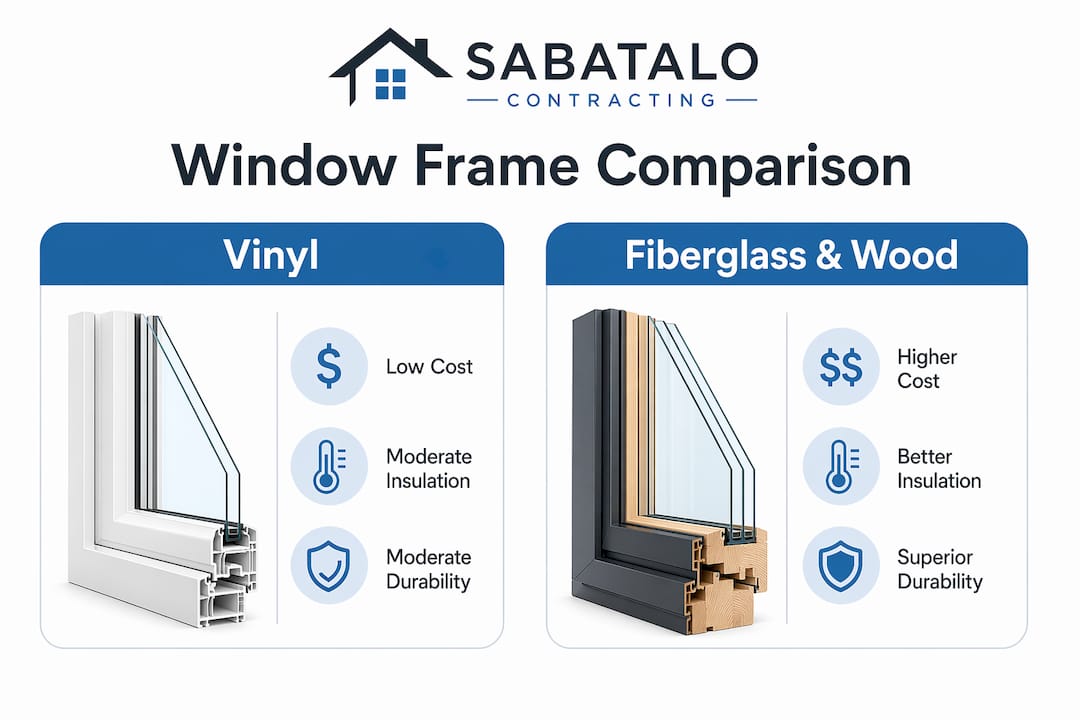
Fiberglass and wood frames offer better insulation than vinyl but cost more upfront. For Massachusetts homeowners focused on long-term performance, fiberglass is the strongest choice. It does not warp, swell, or contract with temperature swings the way wood can.
Glass type and coating selection
Double-pane windows with argon fill and Low-E coatings work well in moderate climates. In Massachusetts, triple-pane glass with krypton gas is the standard for meeting Version 7.0 requirements. The added cost over double-pane is real, but the performance gap in a Massachusetts winter is equally real.
Installation quality matters as much as the window itself
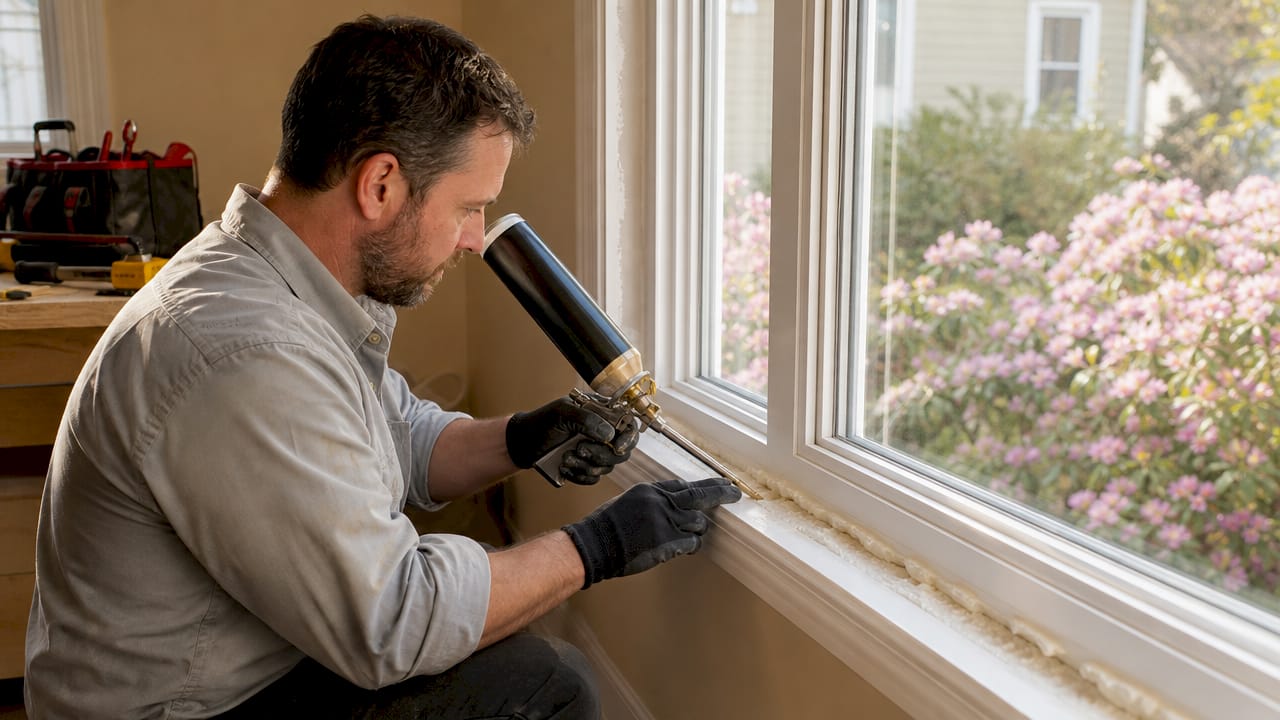
A high-performance window installed poorly delivers poor results. Professional installation with spray foam air sealing around the window frame is critical to achieving the rated energy performance. Batt insulation stuffed around a rough opening leaves gaps. Spray foam fills every void and creates a continuous air barrier.
Get at least three quotes from licensed Massachusetts contractors. Verify that each installer carries proper licensing and insurance. Ask specifically whether they use spray foam air sealing as part of their standard installation process.
Pro Tip: Request a written scope of work that specifies the NFRC-rated U-factor of the windows being installed. This protects you if a supplier substitutes a lower-performing product.
What are common misconceptions about Energy Star windows?
The Energy Star label is a baseline, not a guarantee of top performance. Many homeowners assume that any window carrying the Energy Star name meets the highest available standard. That is not accurate. The standard Energy Star certification covers a broad range of products. The Energy Star Most Efficient designation is a separate, higher tier that qualifies for the full federal tax credit and represents the best-performing products on the market.
A second common mistake involves outdated window stock. Version 7.0 standards took effect in 2026, and older inventory sitting in a supplier’s warehouse may carry Energy Star labels from a previous version. Those windows may not meet Massachusetts’s current northern zone requirements. Older models may no longer qualify under the new standards, so verifying the current certification date on the NFRC label is not optional.
“The Energy Star label is a starting point for your search, not the finish line. Always verify the NFRC numbers against Massachusetts’s current northern zone thresholds before you sign a purchase order.”
Installation quality is the third overlooked factor. A window rated at a U-factor of 0.20 installed without proper air sealing will perform worse than a U-factor of 0.25 window installed correctly. The gap between rated performance and real-world performance comes almost entirely from installation. Choosing a reputable, experienced installer matters as much as choosing the right window.
- Do not assume all Energy Star windows qualify for the federal tax credit
- Verify the certification date to confirm compliance with Version 7.0 standards
- Confirm NFRC label numbers match Massachusetts northern zone requirements
- Prioritize installers who use spray foam air sealing as standard practice
Key takeaways
Energy Star qualified windows reduce Massachusetts heating and cooling costs by up to 13% annually, but only when they meet Version 7.0 northern zone standards and are installed with proper air sealing.
| Point | Details |
|---|---|
| Version 7.0 U-factor requirement | Massachusetts homes need windows with a U-factor of 0.22 or lower to qualify. |
| Triple-pane glass is the standard | Most double-pane windows cannot meet the northern zone threshold; triple-pane with krypton fill is the reliable choice. |
| Federal tax credit available | The IRC 25C credit offers 30% back, up to $600 per year, for Energy Star Most Efficient windows through 2032. |
| NFRC label verification is non-negotiable | Always confirm the NFRC label at purchase and installation to protect tax credit eligibility. |
| Installation quality drives real savings | Spray foam air sealing around the frame is required to achieve the window’s rated energy performance. |
What I’ve learned after years of window replacements in Massachusetts
The homeowners who get the most out of their window investment are the ones who treat it as a system, not a product swap. I’ve seen beautiful triple-pane windows installed without proper air sealing, and the homeowner wonders why their heating bill barely moved. The window was perfect. The installation was not.
My honest advice: spend as much time vetting your installer as you do comparing window brands. Ask them directly how they handle air sealing. If they look at you blankly, find someone else. The window replacement process in Massachusetts involves more than pulling out old frames and dropping in new ones. Every gap around that rough opening is a path for cold air.
I also push back on homeowners who want to do the minimum to qualify for the tax credit. The $600 credit is real money, but the bigger return comes from choosing the best-performing window your budget allows, not the cheapest one that clears the Energy Star bar. Homes with high-performance window upgrades sell for 2%–5% more than comparable homes without them. That premium compounds over time in a market like Massachusetts.
Finally, do not upgrade windows in isolation. Combine them with attic insulation, door weatherstripping, and HVAC maintenance for the full efficiency picture. Windows are the most visible upgrade, but they work best as part of a whole-home approach.
Sabatalo contracting’s window installation services for Massachusetts homeowners
Massachusetts winters demand windows that actually perform, and Sabatalo contracting has spent over 15 years installing energy efficient windows across the state. The team works exclusively with products that meet current northern zone standards and handles every installation with the air sealing practices that protect your energy savings and tax credit eligibility.

Whether you are replacing a single drafty window or upgrading every opening in the house, Sabatalo contracting provides free consultations and detailed quotes with no pressure. The team can help you identify which products qualify for the IRC 25C credit and how to increase your home’s value through exterior upgrades. Contact window contractors in Massachusetts at Sabatalo contracting to schedule your consultation today.
FAQ
What is the U-factor requirement for Massachusetts Energy Star windows?
Under Energy Star Version 7.0, Massachusetts homes in the northern climate zone require windows with a U-factor of 0.22 or lower. Most qualifying products use triple-pane glass with krypton or argon gas fill to reach this threshold.
Do Energy Star windows qualify for a federal tax credit?
Yes. The IRC 25C Energy Efficient Home Improvement Credit provides 30% back on qualifying window costs, up to $600 per year, through 2032. Windows must carry the Energy Star Most Efficient designation to qualify.
How much can I save on energy bills with new energy efficient windows?
Replacing old single-pane windows with Energy Star certified models saves an average of 13%, or $125–$465 per year on heating and cooling costs. Massachusetts homeowners with older homes typically see savings at the higher end of that range.
Is the Energy Star label enough to confirm a window meets Massachusetts standards?
No. The Energy Star label is a baseline certification. Always verify the NFRC label for the exact U-factor and SHGC values, and confirm they meet the current northern zone thresholds under Version 7.0.
Does installation quality affect energy savings from new windows?
Yes, significantly. Professional installation with spray foam air sealing around the window frame is required to achieve the window’s rated performance. Poor air sealing negates much of the insulation benefit regardless of the window’s specifications.
Recommended
- Energy Star Windows: Boosting Comfort and Savings in MA | Sabatalo Contracting
- Energy efficient windows in Massachusetts: save money | Sabatalo Contracting
- Double Pane Energy Efficient Windows for Massachusetts Homes | Sabatalo Contracting
- Energy efficient window benefits Massachusetts homeowners | Sabatalo Contracting
