
Many Massachusetts homeowners believe that replacing old windows will barely make a dent in their energy bills, but that’s a costly misconception. The truth is that upgrading to energy efficient windows Massachusetts can slash heating and cooling costs by 15 to 25 percent annually while dramatically improving home comfort. Understanding key performance metrics like U-Factor and Solar Heat Gain Coefficient empowers you to make informed decisions that pay off for decades. This guide breaks down the technical ratings, cost savings, and installation strategies that transform drafty homes into energy-smart sanctuaries.
Table of Contents
- Key takeaways
- Understanding energy efficient window ratings for Massachusetts homes
- How replacing windows saves money and energy in Massachusetts homes
- Choosing the right window type: double-pane versus triple-pane in Massachusetts
- Maximizing energy savings with window installation and home enclosure upgrades
- How Sabatalo Contracting helps Massachusetts homeowners upgrade windows
- Frequently asked questions
Key Takeaways
| Point | Details |
|---|---|
| Low U Factor 0.30 | For Massachusetts, a U factor of 0.30 or lower is the baseline for new construction and helps keep heated air inside during winter. |
| Annual Savings Range | Replacing single pane with ENERGY STAR windows saves between 101 and 583 dollars annually on heating and cooling. |
| Energy Cost Reduction | Overall heating and cooling costs typically fall 15 to 25 percent after window upgrades. |
| South Facing SHGC | South facing windows with higher SHGC capture winter sun to reduce furnace workload. |
| Payback Period | Payback typically occurs over 10 to 15 plus years and can improve with rebates and triple pane options. |
Understanding energy efficient window ratings for Massachusetts homes
Window performance metrics can feel like alphabet soup, but two numbers matter most for Massachusetts homeowners: U-Factor and Solar Heat Gain Coefficient. U-Factor measures how well a window prevents heat from escaping your home. Lower numbers mean better insulation. For Massachusetts’ cold climate, you want windows with a U-Factor of 0.30 or lower to keep expensive heated air inside during brutal winter months. The Massachusetts Stretch Code actually caps window U-Factor at 0.30, making this the baseline for new construction and many renovation projects.
Solar Heat Gain Coefficient tells a different story. This metric captures how much free solar warmth passes through your windows. In Massachusetts, that winter sun becomes your ally. South-facing windows with higher SHGC values let passive solar heat reduce your furnace workload on sunny January days. North-facing windows need lower SHGC to prevent summer overheating without sacrificing the winter heat you want from southern exposure.
Balancing these two factors requires thinking about your home’s orientation and your specific comfort priorities. A window with stellar U-Factor but wrong SHGC for its location wastes potential savings. Massachusetts homeowners often overlook this nuance and end up with uniform windows that don’t optimize each exposure.
Key factors in window selection:
- U-Factor below 0.30 for Massachusetts Stretch Code compliance and superior heat retention
- SHGC between 0.35 and 0.50 for south-facing windows to maximize passive solar gain
- SHGC below 0.30 for north and west exposures to limit summer heat buildup
- ENERGY STAR certification specific to the Northern climate zone
Pro Tip: Map your home’s window orientations before shopping. South-facing windows earn back higher SHGC investments through free solar heating, while north-facing glass should prioritize the lowest possible U-Factor over solar gain considerations.
How replacing windows saves money and energy in Massachusetts homes
The financial case for window replacement isn’t theoretical. Massachusetts homeowners who upgrade from single-pane to ENERGY STAR certified windows save between $101 and $583 annually on heating and cooling costs. That range reflects differences in home size, existing insulation levels, and how much you run your HVAC systems. Even at the conservative end, those savings compound over the 20 to 30 year lifespan of quality windows.
Heating and cooling costs typically drop 15 to 25 percent after window replacement. For a Massachusetts household spending $2,000 yearly on climate control, that translates to $300 to $500 back in your pocket every year. The comfort improvements matter just as much as the dollar savings. Drafty windows create cold spots near glass surfaces, forcing you to crank the thermostat higher to feel comfortable. New energy efficient windows Massachusetts eliminate those cold zones and temperature swings.
Upgrading to modern energy efficient windows delivers measurable financial returns and comfort improvements that Massachusetts homeowners notice immediately. The combination of lower utility bills, reduced drafts, and improved temperature consistency makes window replacement one of the highest-impact home improvements available.
Beyond energy savings, new windows reduce outside noise infiltration, a bonus if you live near busy roads or commercial areas. Property value increases too. Appraisers and buyers recognize quality windows as a premium feature that signals a well-maintained home. The aesthetic upgrade from old, foggy glass to crystal-clear modern windows enhances curb appeal instantly.
Direct benefits of window replacement:
- Reduced monthly utility bills through better insulation and air sealing
- Elimination of drafts and cold spots near window areas
- Lower HVAC system wear from reduced runtime demands
- Noise reduction from multi-pane construction and tight seals
- Increased home resale value and buyer appeal
- UV protection for furniture and flooring from Low-E coatings
Choosing the right window type: double-pane versus triple-pane in Massachusetts
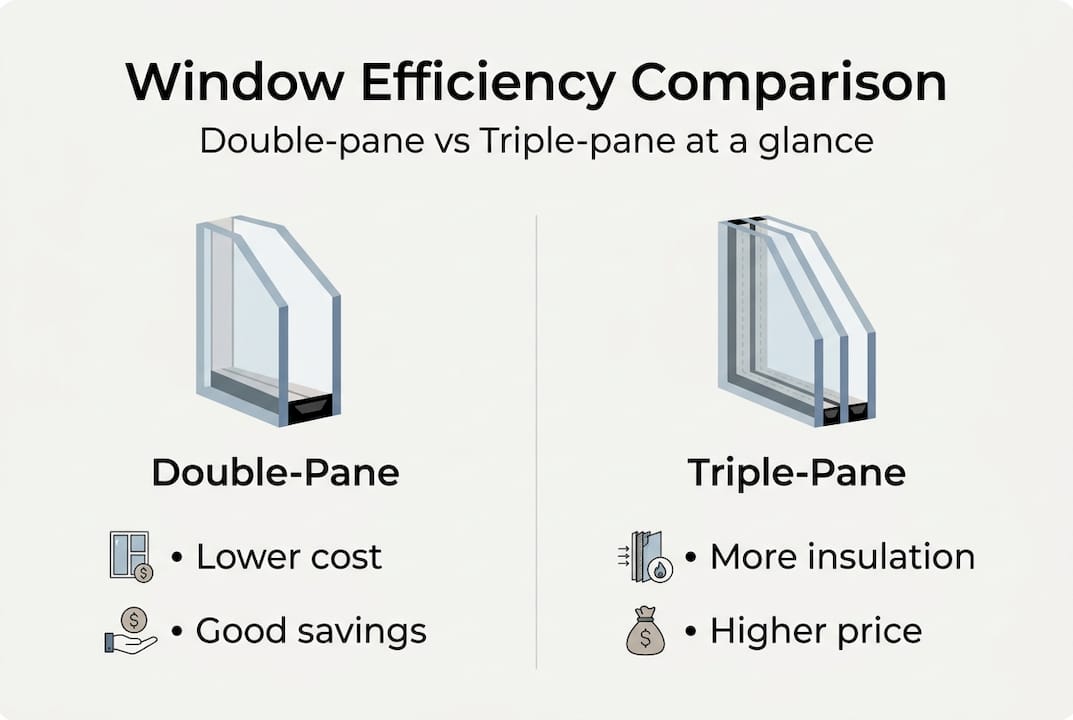
Double-pane windows dominate the Massachusetts market because they hit the sweet spot of performance and affordability. Two layers of glass with an insulating gas fill between them deliver U-Factors in the 0.25 to 0.30 range, meeting code requirements while keeping upfront costs reasonable. Most homeowners pay $450 to $800 per window installed for quality double-pane units.
Triple-pane windows add a third glass layer and second gas-filled cavity. That extra insulation pushes U-Factors down to 0.15 to 0.20, nearly doubling the thermal resistance compared to double-pane. The catch? Triple-pane windows cost 25 to 50 percent more upfront, and the payback period stretches to 10 to 15 years or longer depending on energy prices and usage patterns.
| Feature | Double-Pane Windows | Triple-Pane Windows |
|---|---|---|
| Installed cost per window | $450 to $800 | $650 to $1,200 |
| Typical U-Factor range | 0.25 to 0.30 | 0.15 to 0.20 |
| Annual energy savings | $100 to $300 | $150 to $400 |
| Payback period | 8 to 12 years | 10 to 15+ years |
| Mass Save rebate eligibility | Yes, if ENERGY STAR | Yes, often higher rebates |
| Best for | Budget-conscious upgrades, moderate climates | Long-term ownership, extreme cold exposure |
The math changes when you factor in rebates and long-term ownership plans. Massachusetts utilities and Mass Save offer incentives that reduce the effective price gap between double and triple-pane options. If you plan to stay in your home for 15 or more years, triple-pane windows deliver superior comfort and cumulative savings that justify the premium. Homeowners planning to sell within a decade often stick with double-pane to avoid tying up capital in upgrades they won’t fully recoup.
Factors influencing your window choice:
- Climate exposure: homes in western Massachusetts or high-elevation areas benefit more from triple-pane insulation
- Budget constraints: double-pane meets code and delivers solid performance at lower cost
- Ownership timeline: longer stays favor triple-pane’s superior long-term return on investment
- Rebate availability: check current Mass Save incentives to narrow the price gap
- Noise concerns: triple-pane provides better sound dampening for homes near highways or airports
Pro Tip: Run the numbers with your actual energy bills and available rebates before deciding. Many Massachusetts homeowners find that triple-pane windows on the coldest exposures (north and west) combined with double-pane on southern exposures optimize both budget and performance.
Maximizing energy savings with window installation and home enclosure upgrades
Even the best windows underperform if installation quality falls short. Air leaks around window frames can waste 20 to 30 percent of your heating and cooling energy, completely negating the efficiency gains from premium glass packages. Professional installation with meticulous air sealing ensures your windows achieve their rated U-Factor and SHGC performance in real-world conditions.
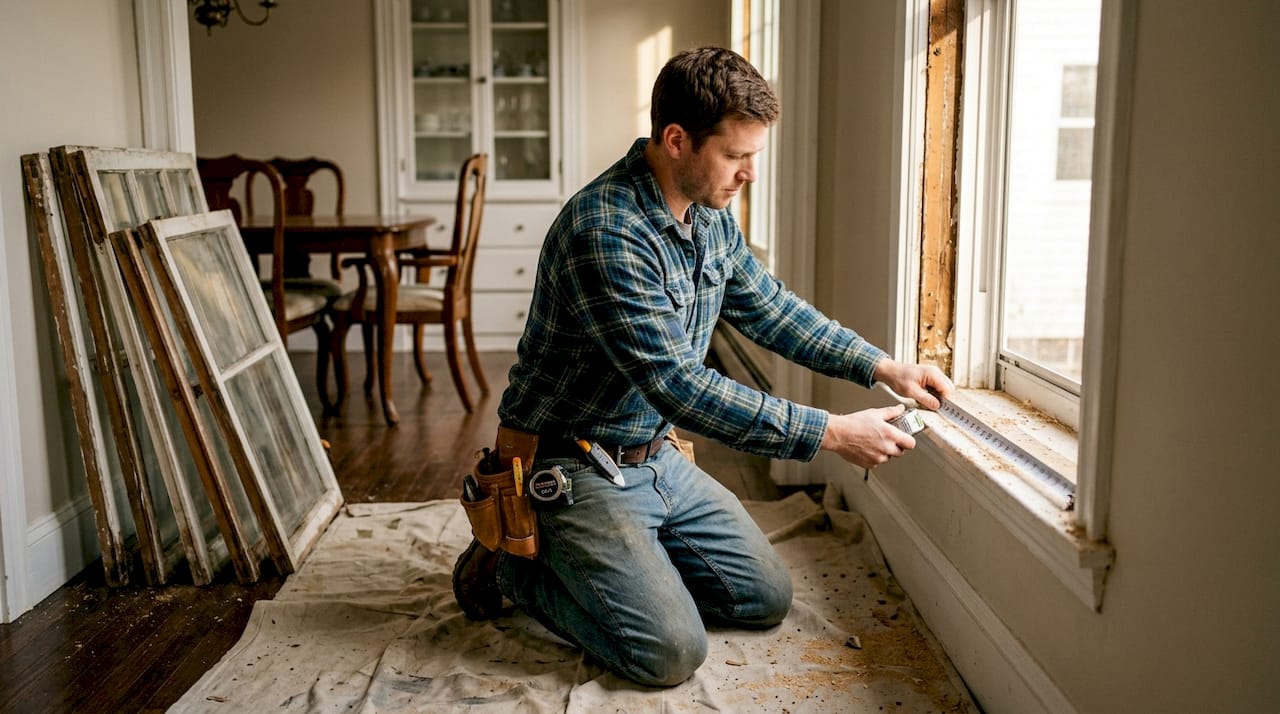
Proper window installation starts with removing old units completely and inspecting the rough opening for rot, moisture damage, or structural issues. Installers should apply a continuous bead of high-quality sealant around the opening perimeter before setting the new window. Spray foam or backer rod fills gaps between the window frame and rough opening, then gets trimmed flush. Interior and exterior trim gets caulked to create an airtight seal that blocks infiltration.
Critical installation steps for maximum efficiency:
- Complete removal of old windows and inspection of rough openings
- Application of waterproof flashing and sealant before window placement
- Proper shimming to ensure square, level, and plumb installation
- Spray foam insulation in gaps between frame and rough opening
- Interior and exterior caulking of all trim joints and seams
- Verification of smooth operation and proper locking mechanism function
Windows work as part of your home’s complete thermal envelope. Deep energy retrofits in Massachusetts that combined window upgrades with comprehensive air sealing achieved 40 percent lower energy use compared to regional averages. The key was treating windows as one component of an integrated enclosure strategy rather than an isolated improvement.
Complementary upgrades that amplify window benefits:
- Whole-house air sealing to address attic bypasses, rim joists, and penetrations that leak as much air as old windows
- Attic insulation upgrade to R-49 or higher to prevent heat loss through the ceiling plane
- Basement rim joist insulation and sealing to stop cold air infiltration at foundation level
- Door weatherstripping replacement and threshold adjustment to match window airtightness improvements
- HVAC duct sealing and insulation to prevent conditioned air loss before it reaches living spaces
Working with experienced window contractors Massachusetts who understand building science ensures your investment delivers full value. Contractors familiar with local energy codes and Mass Save requirements can guide you toward eligible upgrades and help you navigate rebate applications. The difference between adequate and excellent installation often determines whether your windows meet, exceed, or fall short of projected savings.
Professional contractors also coordinate window replacement with siding, trim, and other exterior home remodel planning to minimize disruption and ensure weather-tight integration. This systems approach prevents the common mistake of upgrading windows without addressing the wall assemblies and air barrier details that impact overall thermal performance.
How Sabatalo Contracting helps Massachusetts homeowners upgrade windows
Navigating window options, energy codes, and installation details can overwhelm even savvy homeowners. Sabatalo Contracting brings over 15 years of Massachusetts-specific expertise to guide you through every decision. Our team understands how local climate, building codes, and rebate programs intersect to shape your optimal window strategy. We evaluate your home’s orientation, existing conditions, and energy goals to recommend solutions that balance performance with budget realities.

Our window installation services include proper air sealing, flashing, and integration with your home’s existing envelope to ensure rated performance. We coordinate window replacement Massachusetts projects with complementary exterior upgrades like siding, trim, and door replacement to create cohesive improvements that increase home value exterior upgrades deliver. Whether you choose double-pane or triple-pane, vinyl or fiberglass frames, our installation quality ensures you realize the full energy savings and comfort improvements you expect. Contact us for a free assessment and discover how strategic window upgrades can transform your Massachusetts home’s efficiency and comfort.
Frequently asked questions
What is the best U-Factor value for energy efficient windows in Massachusetts?
Target a U-Factor of 0.30 or lower to meet Massachusetts Stretch Code requirements and optimize heat retention during cold winters. Premium windows achieve U-Factors between 0.20 and 0.25, offering even better insulation for homes in particularly cold microclimates or high-elevation areas. Lower U-Factor numbers always mean better thermal performance and reduced heat loss through glass surfaces.
How much can I expect to save annually by replacing old windows in my Massachusetts home?
Massachusetts homeowners typically save $101 to $583 per year after upgrading from single-pane to ENERGY STAR certified windows. Your actual savings depend on home size, existing insulation levels, thermostat settings, and energy prices. Most households see heating and cooling costs drop 15 to 25 percent, with larger homes and poorly insulated structures capturing savings at the higher end of the range.
Are triple-pane windows worth the extra cost compared to double-pane?
Triple-pane windows cost 25 to 50 percent more upfront but deliver superior insulation and comfort, especially in exposed locations or for long-term homeowners. The payback period extends to 10 to 15 years or longer, making them worthwhile if you plan to stay in your home for the long haul. Mass Save rebates can narrow the price gap significantly, improving return on investment for qualifying installations. Consider triple-pane for north and west exposures where cold winds hit hardest, while using double-pane on southern exposures to balance cost and performance.
What should I look for in a contractor when upgrading to energy efficient windows?
Prioritize window contractors Massachusetts with proven local experience, proper licensing, and comprehensive installation warranties that cover both product and labor. Check references from recent projects and verify they understand Massachusetts energy codes, Mass Save rebate requirements, and proper air sealing techniques. Transparent communication about product options, realistic timelines, and detailed written estimates indicates a professional operation. Quality contractors inspect your existing window openings, discuss orientation-specific SHGC strategies, and coordinate installation with other exterior improvements to ensure weather-tight integration and optimal performance.
Recommended
- New Windows Energy Savings: Lower Bills in Massachusetts | Sabatalo Contracting
- New Energy Efficient Windows: Lower Bills, Enhanced Comfort | Sabatalo Contracting
- Energy Efficient Basement Windows: Save in MA Winters | Sabatalo Contracting
- Energy Star Windows: Boosting Comfort and Savings in MA | Sabatalo Contracting
- Insulated Curtains For Winter Thermal Blackout Door Curtain With Eyelet Rings – Save Energy, Reduce Heat Loss, Available In Multiple Sizes & Colors Thermal Curtain
- Säädettävät kaihtimet – Energiaviisas koti Etelä-Pohjanmaalla – Nordic Blinds Oy
