TL;DR:
- Unique siding textures enhance home exteriors with durable, weather-resistant surface profiles suitable for Massachusetts conditions. Combining textures like shake, Board and Batten, or charred-look composite creates visual contrast that boosts curb appeal and architectural character. Proper material choice and strategic mixing of textures can minimize maintenance while increasing home value.
Unique siding textures are distinctive surface profiles and finishes applied to home exteriors to improve both visual appeal and weather resistance. In Massachusetts, where nor’easters, freeze-thaw cycles, and coastal humidity test every exterior surface, the texture of your siding matters as much as the material itself. Profiles like Board and Batten, shake and shingle, and hand-hewn steel give homeowners a way to express architectural character without sacrificing durability. The right textured exterior finish can set your home apart on the street while protecting it for decades.
1. Top unique siding textures and profiles for 2026
The strongest siding texture choices combine visual depth with material performance. Each profile below delivers a distinct look and a specific set of durability advantages suited to Massachusetts conditions.
Board and Batten
Board and Batten siding creates a vertical, dimensional look by placing narrow battens over panel seams. The result is a clean, structured facade with strong shadow lines that shift throughout the day. This profile works especially well on farmhouse, Craftsman, and contemporary homes. Modern steel versions come with concealed fasteners and extensive paint warranties, eliminating the recurring maintenance costs common with traditional wood.
Shake and shingle profiles
Shake and shingle siding replicates the look of hand-split cedar without the upkeep. Shake and shingle profiles add natural texture that works as a full-wall treatment or as an accent on gables and dormers. The irregular edges and layered appearance give older New England homes an authentic, period-appropriate finish.
Charred-look composite siding
Charred-look composite siding replicates the Japanese Yakisugi technique, delivering a matte black surface with strong weather resistance. Unlike traditional charred cedar, this composite version resists rot and insects through harsh Massachusetts winters. The result is a bold, modern exterior finish that requires minimal upkeep.
Steel siding with 3D hand-hewn textures
Steel siding with 3D hand-hewn textures replicates the irregular axe marks and knots of pioneer-era log construction using advanced manufacturing. Physical depth in the embossed surface creates authentic shadow play that flat-printed designs cannot match. Many products in this category carry warranties exceeding 40 years, making them one of the most durable custom siding options available.
Fiber cement with woodgrain finishes
Fiber cement siding offers realistic woodgrain textures with resistance to warping, rotting, pests, and fire. UV-stable finishes hold color longer than painted wood, reducing repainting cycles. This material suits a wide range of architectural styles and performs well in climates with significant moisture variation.
Pro Tip: When choosing between steel and fiber cement for a woodgrain look, ask your contractor to show you physical samples in direct sunlight. The 3D depth of embossed steel reads very differently outdoors than it does in a showroom.
2. How to combine multiple siding textures for a distinctive exterior
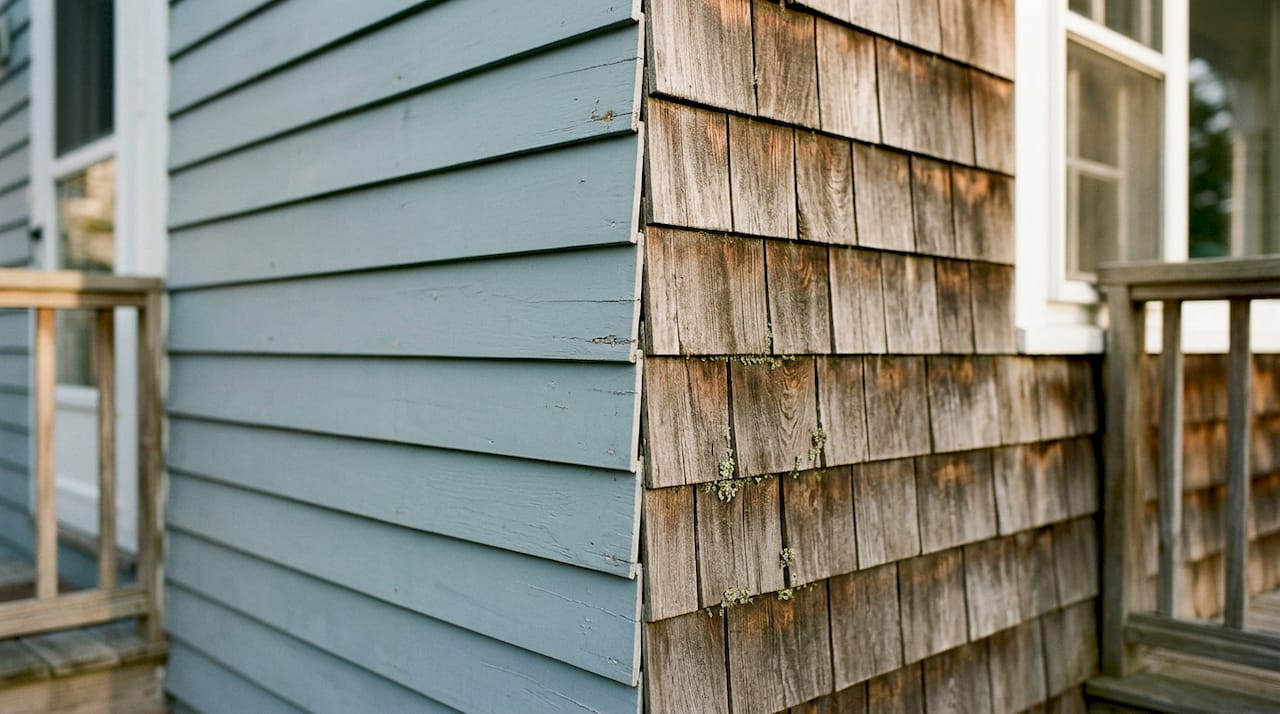
Multi-textured facades that mix materials and profiles are a growing trend among homeowners who want to accentuate architectural focal points. The approach adds depth and contrast that a single material cannot achieve on its own. Done well, it gives a home a custom, designed appearance without a full architectural overhaul.
The most effective combinations pair a dominant texture with a contrasting accent material. Common pairings include:
- Stone veneer on the foundation or lower third of the facade, paired with woodgrain fiber cement on the upper stories
- Smooth horizontal lap siding on the main body, with shake or shingle panels on gable ends and dormers
- Board and Batten on a garage or entryway bump-out, contrasting with horizontal panels on the main structure
- Charred-look composite on accent walls or entryway columns, balanced against lighter neutral siding
Accent zones are the key to making mixed textures work. Gables, bump-outs, bay windows, and entryways are natural places to introduce a second texture without disrupting the overall composition. Limiting the accent material to no more than 30% of the total facade area keeps the design grounded. For color guidance that complements mixed textures, exterior color selection plays a critical role in tying the materials together visually.
The most common mistake homeowners make is mixing too many colors alongside too many textures. Stick to two or three colors maximum when using two or more profiles. The textures themselves create visual interest. The color palette should unify them, not compete with them.
3. Maintenance and durability for textured siding materials
Textured siding materials vary significantly in how much upkeep they demand. Choosing the wrong material for your maintenance tolerance is one of the most expensive mistakes a Massachusetts homeowner can make.
Fiber cement and steel sit at the low-maintenance end of the spectrum. Fiber cement resists warping, rot, pests, and fire, and its UV-stable finishes reduce repainting frequency. Steel Board and Batten siding comes in 34 colors with a 40-year warranty and survives lake-effect moisture without repainting. Both materials handle Massachusetts freeze-thaw cycles without cracking or buckling.
Organic wood textures present a different picture. Real cedar shake and wood clapboard require periodic painting or staining, and they remain vulnerable to rot and insect damage if the finish fails. Massachusetts humidity accelerates that failure. Homeowners who want the wood look without the wood risk are better served by fiber cement or composite alternatives.
Textured finishes hide minor surface imperfections and add character, but they require different maintenance than smooth surfaces. Dirt and debris collect in the recesses of deeply embossed profiles, so annual cleaning with a low-pressure wash is necessary. Spot repairs on textured panels are also more visible than on smooth ones because matching the profile exactly requires care.
Pro Tip: Before any installation, ask your contractor for the manufacturer’s warranty documentation in writing. A 40-year warranty on steel siding is only as good as the installer’s compliance with the manufacturer’s installation requirements.
Key maintenance comparisons by material:
- Steel siding: No repainting required, 40-year warranty, resistant to moisture and pests
- Fiber cement: Repaint every 10–15 years, resistant to rot, fire, and insects
- Composite charred-look: Minimal upkeep, no rot or pest risk, annual cleaning recommended
- Real wood shake: Repaint or restain every 3–7 years, vulnerable to rot and insects
- Vinyl profiles: Low cost, low maintenance, but less dimensional depth than steel or fiber cement
Understanding Massachusetts weather’s impact on siding helps you set realistic expectations for any material you choose.
4. Matching siding texture to your home’s architectural style and climate
The texture you choose should reinforce your home’s existing architectural language. Forcing a modern charred-look panel onto a traditional Colonial reads as a mismatch, regardless of material quality.
| Architectural style | Best texture match | Why it works |
|---|---|---|
| Cape Cod | Shake and shingle | Replicates traditional New England cedar aesthetics |
| Craftsman | Board and Batten or woodgrain fiber cement | Emphasizes vertical lines and natural material character |
| Colonial | Smooth or lightly textured horizontal lap | Preserves the formal, symmetrical facade |
| Contemporary | Charred-look composite or smooth steel | Bold contrast and clean geometry suit modern proportions |
| Farmhouse | Board and Batten steel | Vertical profile and durability match the style’s practical roots |
Massachusetts climate adds another filter to this decision. Coastal homes near the South Shore or Cape Cod face salt air and high humidity, which accelerates corrosion on lower-grade metals and paint failure on wood. Fiber cement and steel with factory-applied finishes hold up better in those conditions. Inland homes in central Massachusetts face harder freeze-thaw cycles, which stress any material with water-absorbing properties. Composite and steel profiles handle those swings without cracking.
Color choices interact directly with texture. Deeply embossed profiles like hand-hewn steel read darker than smooth panels in the same color because the recesses create shadow. Choosing a slightly lighter shade than you think you want compensates for this effect. For period homes, paint color ideas for period homes offer a useful reference for pairing historically appropriate tones with modern textured materials.
Curb appeal trends for 2025 and 2026 show a clear shift toward mixed materials and bolder texture choices, particularly in suburban Massachusetts markets where homeowners are investing in exterior upgrades ahead of listing.
Key takeaways
The most durable and visually distinctive exterior finishes combine a primary texture suited to your home’s architectural style with a contrasting accent material, installed using products that carry manufacturer warranties of at least 40 years.
| Point | Details |
|---|---|
| Match texture to architecture | Shake suits Cape Cod homes; Board and Batten fits Craftsman and farmhouse styles. |
| Steel and fiber cement last longest | Both materials resist rot, pests, and Massachusetts freeze-thaw cycles with minimal upkeep. |
| Mix textures strategically | Limit accent textures to gables, bump-outs, and entryways; keep accent area under 30% of the facade. |
| Embossed profiles need annual cleaning | Deeply textured surfaces collect debris in recesses and require low-pressure washing each year. |
| Color choice amplifies texture | Deeply embossed profiles read darker, so select a slightly lighter shade to achieve the intended result. |
Why textured siding is the most underrated exterior investment in Massachusetts
After years of working on Massachusetts homes, the pattern I see most often is homeowners spending significant money on landscaping and windows while leaving the siding as an afterthought. That is backwards. Siding is the largest visual surface on your home. It sets the tone before anyone reaches the front door.
What surprises most homeowners is how much a textured profile changes the way a house reads from the street. A flat, smooth panel in a nice color looks fine. The same home with a hand-hewn steel or Board and Batten profile looks designed. The shadow lines created by physical depth do something that paint color alone cannot replicate.
The other thing I tell homeowners directly: do not buy a textured product based on a small sample card. Get a full panel, hold it against your exterior in morning light and afternoon light, and look at it from the street. The way embossed textures interact with natural light changes dramatically throughout the day. That is the detail that separates a good installation from a great one.
Textured siding is not a trend. It is a return to the way homes were built before flat vinyl became the default. The materials are better now, the warranties are longer, and the maintenance is lower. For Massachusetts homeowners who want a home that holds its value and turns heads, textured exterior cladding is the most practical investment you can make.
Sabatalo contracting can help you choose and install the right siding texture
Selecting the right textured siding profile for a Massachusetts home takes more than browsing photos online. Material performance, installation technique, and climate compatibility all affect the final result.

Sabatalo contracting brings over 15 years of Massachusetts exterior experience to every siding project. The team helps homeowners evaluate profiles, materials, and color combinations before a single panel goes up. Whether you are planning a full exterior upgrade or replacing failing siding on a specific elevation, the process starts with a clear plan. Plan your exterior remodel with Sabatalo contracting’s guidance to get material recommendations, installation timelines, and accurate cost estimates from a contractor who knows Massachusetts conditions firsthand. For homeowners focused on resale, exterior upgrades that increase home value are a natural next step.
FAQ
What are the most durable unique siding textures for Massachusetts?
Steel siding with 3D hand-hewn textures and fiber cement with woodgrain finishes are the most durable options for Massachusetts. Both resist rot, pests, and freeze-thaw cycles, and carry warranties of 40 years or more.
Can I mix two different siding textures on the same house?
Yes. Mixing textures works best when you limit the accent material to gable ends, bump-outs, or entryways, keeping it under 30% of the total facade. Use no more than two or three colors to keep the design unified.
How do I maintain textured siding in a harsh New England climate?
Annual low-pressure washing removes debris from embossed recesses, and periodic inspection for cracked caulk or damaged panels prevents moisture intrusion. Steel and fiber cement require the least maintenance of any textured option.
Is charred-look composite siding a good fit for New England homes?
Charred-look composite siding designed to replicate Japanese Yakisugi delivers a matte black finish that resists rot and insects, making it a practical choice for contemporary Massachusetts homes. It performs well through harsh winters without the vulnerabilities of traditional charred cedar.
How does siding texture affect home resale value in Massachusetts?
Distinctive exterior finishes with physical depth and quality materials improve curb appeal, which directly influences buyer perception and listing price. Homes with well-maintained, textured siding in materials like fiber cement or steel consistently present stronger at the street than those with flat, aging vinyl.
