
TL;DR:
- Vinyl window replacement typically costs between $400 and $800 per window, depending on project size and installation method. Larger projects offer better per-unit prices, with full-frame replacements necessary for rotted or out-of-square frames. Proper installation and selecting Energy Star certified windows provide long-term energy savings and the best value.
Vinyl window replacement cost typically falls between $400 and $800 per window installed, making it the most affordable full-service window upgrade available to homeowners. Vinyl windows hold 55–70% of the U.S. replacement window market thanks to a 20–30 year lifespan and minimal upkeep. That popularity is not accidental. For Massachusetts homeowners dealing with cold winters, humid summers, and rising energy bills, vinyl delivers a practical combination of performance and price that wood and fiberglass rarely match at the same budget level.
What factors influence vinyl window replacement cost in Massachusetts?
The single biggest variable in vinyl window pricing is project scale. A single window replacement costs $600–$1,200 installed, while replacing 5–10 windows drops the per-unit price to $400–$800. That gap exists because fixed costs like crew travel, site setup, and permit fees get spread across more units on larger jobs.
Several other factors push quotes up or down:
- Project size. Replacing one window costs more per unit than replacing ten. Fixed logistical expenses like trip charges and site preparation do not scale down proportionally for small jobs.
- Installation method. Retrofit (insert) installations fit a new window into the existing frame opening. Full-frame replacements remove everything down to the rough opening. Full-frame work costs more but delivers better long-term performance.
- Local labor rates and permits. Massachusetts labor rates sit above the national average in most metro areas. Permit fees vary by municipality but add a real line item to any quote.
- Window style and glass package. A standard double-hung vinyl window costs less than a bay window or a casement with triple-pane glass. Low-E coatings, argon gas fills, and between-the-glass grilles each add to the unit price.
- Customization. Non-standard sizes, specialty colors, and architectural shapes increase both material and labor costs.
Pro Tip: If you know you will eventually replace most of your windows, plan them as one project rather than one at a time. Bundling replacements cuts your per-window cost and reduces the number of permit applications you need.
Professional quotes also include overhead items that online calculators skip. Permits, waste disposal, and specialized labor all appear in a contractor’s bid but rarely show up in the national averages you find on home improvement websites. That gap is why professional quotes often exceed online estimates by a meaningful margin.
How does vinyl compare to other window frame materials?
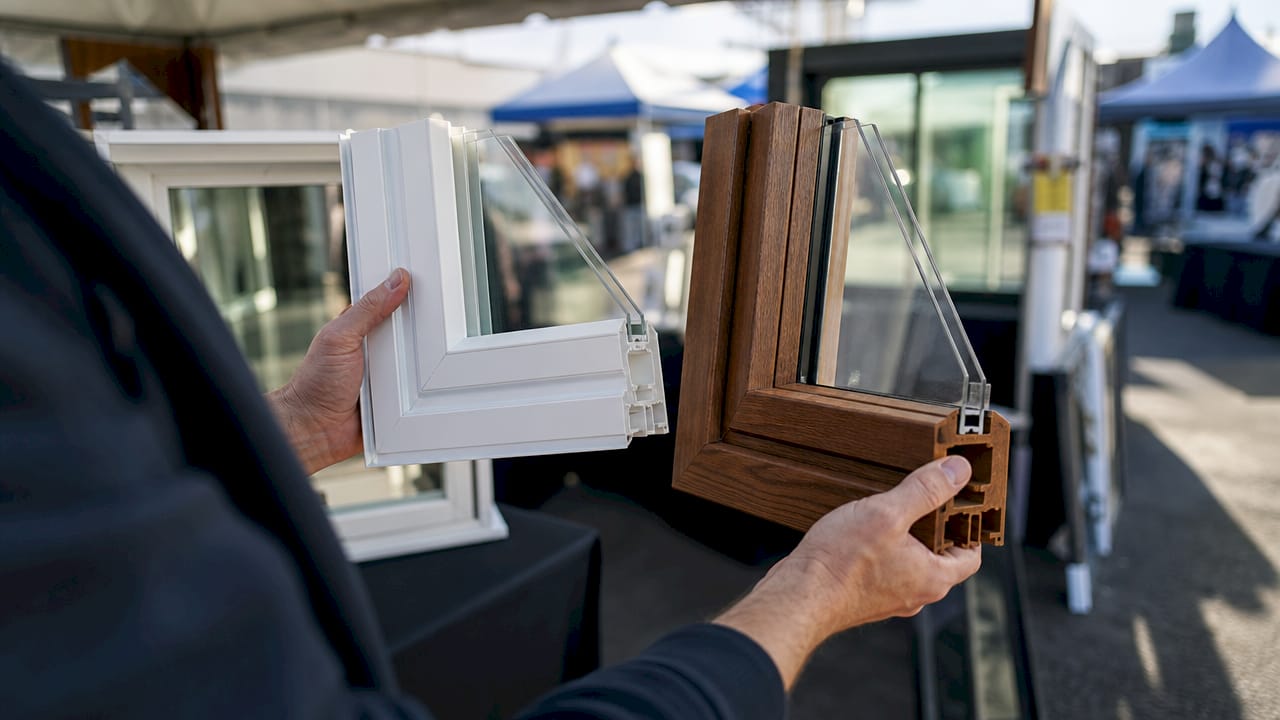
Vinyl costs roughly half what wood windows cost. Vinyl installs for $450–$800 per window, while wood runs $875–$1,865 per window installed. That price difference compounds across a whole-house project.
| Frame material | Installed cost per window | Lifespan | Maintenance | ROI at resale |
|---|---|---|---|---|
| Vinyl | $450–$800 | 20–30 years | Very low | 67–76% |
| Wood | $875–$1,865 | 30+ years | High | Varies |
| Fiberglass | $700–$1,500 | 30–40 years | Low | Varies |
| Aluminum | $300–$700 | 20–25 years | Low | Lower |
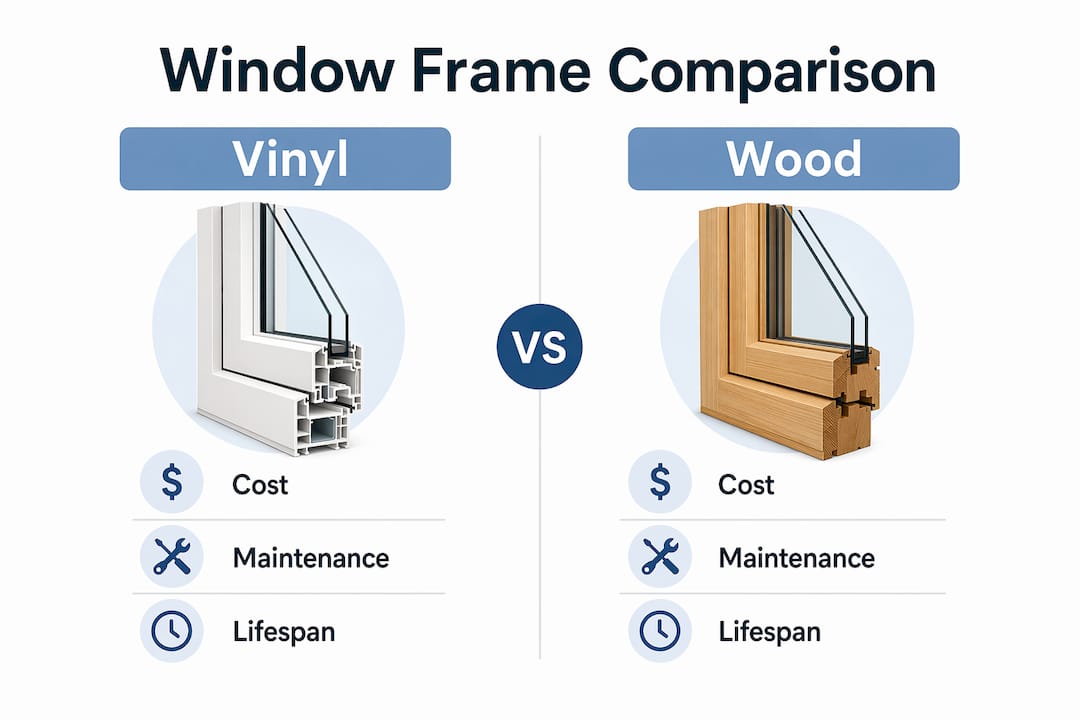
Vinyl requires no painting, no staining, and no sealing. Wood needs regular maintenance to prevent rot, especially in Massachusetts where freeze-thaw cycles stress exterior materials hard. Fiberglass outlasts vinyl and holds paint better, but it costs significantly more upfront. Aluminum is cheap but conducts heat and cold, which hurts energy performance in New England winters.
Vinyl offers good energy efficiency but has fewer color options than wood or fiberglass. Most vinyl windows come in white, tan, and a handful of standard colors. If your home has a distinctive exterior palette, that limitation matters. For most Massachusetts homeowners replacing aging single-pane or builder-grade windows, the color selection is wide enough.
Energy Star certified vinyl windows meet the performance thresholds set by the U.S. Environmental Protection Agency for the Northern climate zone, which covers all of Massachusetts. Choosing Energy Star certified windows qualifies you for federal tax credits and reduces heating and cooling loads year-round.
Pro Tip: Mid-range vinyl windows priced at $400–$600 installed deliver the best balance of durability and performance. Builder-grade units cut corners on weatherstripping and frame thickness. Premium pricing above that range often pays for branding rather than measurable performance gains.
For a deeper look at how vinyl stacks up against aluminum specifically in the Massachusetts climate, Sabatalocontracting has a detailed breakdown of vinyl vs. aluminum windows worth reading before you finalize your material choice.
What are the typical installation options and their cost implications?
Installation method is a major cost driver, and the right choice depends on the condition of your existing frames.
Retrofit (insert) installation fits a new vinyl window into your existing frame and trim. The old frame stays in place. This method costs less because it requires less labor and generates less waste. It works well when the existing frame is structurally sound and square. Most Massachusetts homes built after 1960 are good candidates for retrofit work.
Full-frame replacement removes everything: the sash, frame, interior trim, and exterior casing. The contractor installs a completely new window unit from scratch. This method costs more but fixes problems that retrofit cannot. Rotted sills, out-of-square openings, and failed flashing all require full-frame work to correct properly.
Key considerations for Massachusetts homes:
- Older homes, particularly those built before 1940, often have non-standard rough opening sizes. Custom-sized units add cost.
- Homes with historic designations in towns like Concord, Lexington, or Salem may face restrictions on exterior appearance. Check local historic district rules before ordering.
- Labor accounts for 40–50% of total installed cost. Full-frame replacements push labor hours higher, which moves that percentage up.
- Massachusetts building codes require permits for most window replacement projects. Your contractor should pull the permit. If they suggest skipping it, that is a red flag.
The condition of your existing frames determines which method makes financial sense. Paying for a retrofit on a rotted frame wastes money. Paying for full-frame replacement on a sound frame wastes money in the other direction.
What are typical total project costs for Massachusetts homeowners?
A whole-house vinyl window replacement for 10–15 windows typically costs $6,500–$18,650 in total. Labor accounts for 40–50% of that figure. The wide range reflects differences in window style, glass package, installation method, and regional labor rates.
| Project size | Typical total cost | Per-window average |
|---|---|---|
| 1 window | $600–$1,200 | $600–$1,200 |
| 5–10 windows | $2,000–$8,000 | $400–$800 |
| 10–15 windows | $6,500–$18,650 | $350–$700 |
Economies of scale lower per-window costs on whole-house projects because labor deploys efficiently and permit costs get amortized across more units. A homeowner replacing 12 windows pays far less per window than one replacing two.
Practical budgeting tips for Massachusetts homeowners:
- Consolidate replacements. Replace all windows in one phase if your budget allows. The per-window savings on a 12-window project versus two 6-window projects are real.
- Schedule during off-peak seasons. Late fall and winter are slower for window contractors in Massachusetts. Some installers offer better pricing during those months.
- Get three bids. Quotes vary more than most homeowners expect. A second and third bid often reveal pricing outliers in both directions.
Pro Tip: The lowest bid is not always the best value. Vinyl window replacement ROI runs 67–76% at resale, so the quality of the installation matters as much as the upfront price. A failed seal or improper flashing costs more to fix than the savings from a cheap bid.
Viewing window replacement as a long-term investment changes how you evaluate quotes. Energy savings, reduced maintenance, and improved home resale value all contribute to the return over a 20-year window lifespan.
Key Takeaways
Vinyl window replacement cost ranges from $400 to $800 per window installed for most Massachusetts projects, with project scale, installation method, and local labor rates determining where your quote lands within that range.
| Point | Details |
|---|---|
| Per-window cost range | Expect $400–$800 installed for 5–10 windows; single replacements cost more per unit. |
| Labor is half the bill | Labor accounts for 40–50% of total cost, so installation quality directly affects value. |
| Retrofit vs. full-frame | Retrofit saves money on sound frames; full-frame is necessary when frames are rotted or out of square. |
| Scale saves money | Replacing 10–15 windows in one project lowers per-unit cost through permit and labor efficiency. |
| Mid-range wins on value | Windows priced $400–$600 installed deliver the best durability-to-price ratio for most homeowners. |
What I’ve learned after 15 years of window projects in Massachusetts
The number I see homeowners fixate on is the per-window price. That instinct makes sense, but it misses the bigger picture. The installation is where projects succeed or fail, and labor quality varies far more than material quality at the same price point.
The homes that give me the most concern are the ones where a previous contractor did a retrofit installation over a compromised frame. The new window looks fine from the street. Inside, moisture is working its way through failed flashing and into the wall cavity. By the time the homeowner notices, the repair bill dwarfs what they saved on the original job.
Massachusetts winters are not forgiving. A window that performs adequately in Georgia will underperform here. I always recommend Energy Star certified units rated for the Northern climate zone, and I push homeowners toward full-frame replacement whenever there is any doubt about the existing frame condition. The extra cost upfront is almost always cheaper than the remediation cost later.
The other thing I tell homeowners: do not replace windows in isolation. If your siding is failing or your exterior trim is rotted, address those issues at the same time. Coordinating exterior work saves on labor and prevents the situation where a new window sits next to deteriorating cladding that undermines the whole installation.
The homeowners who get the best long-term value are the ones who treat window replacement as part of a broader exterior upgrade plan, not a one-off fix.
Sabatalo contracting’s window replacement services in Massachusetts
Sabatalo contracting has served Massachusetts homeowners for over 15 years, handling window replacement projects across the state with licensed installers who understand local building codes, historic district requirements, and the specific demands of New England weather.

Every project starts with a detailed on-site assessment. Sabatalo contracting evaluates frame condition, installation method, and glass package options before providing a written quote. There are no surprises on the final invoice. If you are planning a window replacement this year and want a clear, honest estimate from a contractor with deep local roots, Sabatalo contracting is ready to help you plan the project the right way. Visit the exterior upgrade planning guide to understand what a full project assessment covers.
FAQ
How much does one vinyl window replacement cost?
Replacing a single vinyl window typically costs $600–$1,200 installed. Single-window projects carry higher per-unit costs because fixed expenses like crew travel and permits are spread over just one unit.
What is the average cost for vinyl windows on a whole-house project?
A whole-house replacement of 10–15 windows typically runs $6,500–$18,650 total. Per-window costs drop to $350–$700 when labor and permit fees are shared across more units.
Is retrofit or full-frame installation better for Massachusetts homes?
Retrofit installation costs less and works well when existing frames are structurally sound. Full-frame replacement is the better choice when frames are rotted, out of square, or when the home has failing flashing or moisture damage.
Do vinyl windows qualify for any tax credits in Massachusetts?
Energy Star certified vinyl windows rated for the Northern climate zone qualify for the federal energy efficiency home improvement tax credit. Check current IRS guidelines for the applicable credit amount in the year you install.
How long do vinyl windows last in New England?
Vinyl windows have a lifespan of 20–30 years under normal conditions. Massachusetts freeze-thaw cycles and UV exposure can shorten that range if windows are builder-grade quality or improperly installed.
Recommended
- Vinyl or Aluminum Windows for Massachusetts Homes | Sabatalo Contracting
- Siding And Window Replacement Cost In Massachusetts | Sabatalo Contracting
- Reasonable Window Replacement for Massachusetts Homes | Sabatalo Contracting
- Window Replacement in Massachusetts: Boost Home Efficiency | Sabatalo Contracting
