
Cold New England winters and humid Massachusetts summers push home comfort systems to their limits, making outdated windows a major source of discomfort and rising energy bills. Windows in Massachusetts homes can account for 25% to 30% of heating and cooling energy use, which makes choosing the right replacement a smart investment. This guide highlights energy efficient options, essential building code requirements, and contractor selection tips to help you achieve lasting comfort and curb costs.
Table of Contents
- Window Replacement Defined For Massachusetts Homes
- Types Of Replacement Windows And Materials
- Choosing Local Contractors You Can Trust
- Cost, Energy Efficiency, And ROI Considerations
- Common Pitfalls And How To Avoid Them
Key Takeaways
| Point | Details |
|---|---|
| Energy Efficiency | Window replacement can reduce energy consumption by 25%-30%, significantly enhancing home comfort. |
| Regulatory Compliance | Adhering to Massachusetts building codes is crucial for safety and performance in window installations. |
| Material Selection | Choosing the right window frame material impacts durability, energy efficiency, and maintenance needs. |
| Professional Installation | Ensuring high-quality installation maximizes the benefits of new windows and prevents potential energy loss. |
Window Replacement Defined for Massachusetts Homes
Window replacement represents a strategic home improvement approach specifically tailored for Massachusetts residential properties, focusing on enhancing energy efficiency and overall home comfort. In the Northeast, where temperature variations are significant, windows play a critical role in maintaining interior climate control and reducing energy consumption.
For Massachusetts homeowners, window replacement involves several key considerations:
- Addressing energy loss through existing windows
- Selecting appropriate window frames and glazing materials
- Complying with local building code requirements
- Improving home insulation and thermal performance
The Massachusetts building code section 780 CMR provides specific guidelines for renovating residential structures, ensuring that window replacements meet strict performance and safety standards. These regulations aim to maintain or improve building performance while allowing existing components to remain functional.
According to the U.S. Department of Energy, windows can account for 25%–30% of residential heating and cooling energy use. By strategically updating window systems, Massachusetts homeowners can significantly reduce energy consumption and enhance indoor comfort.
Key factors in selecting replacement windows include:
- Frame material durability
- Energy performance ratings
- Glass type and insulation properties
- Installation quality
- Local climate considerations
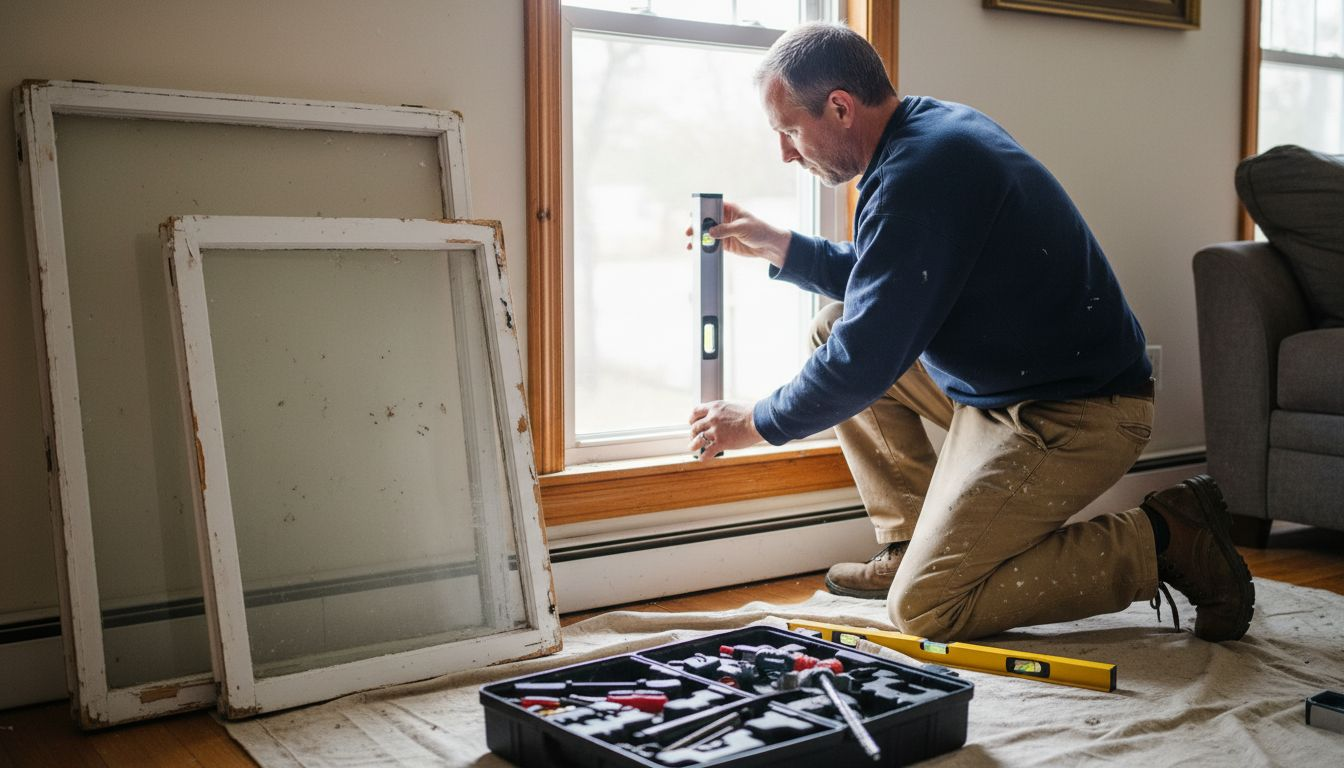
Professional installation remains crucial in maximizing window performance. Improper installation can negate potential energy savings and compromise the window’s structural integrity.
Pro tip: Before window replacement, request comprehensive energy audits to identify specific thermal performance gaps in your home’s current window systems.
Types of Replacement Windows and Materials
Replacement windows for Massachusetts homes represent a sophisticated intersection of material science, energy efficiency, and architectural design. Homeowners have multiple options when selecting windows that not only enhance aesthetic appeal but also provide critical thermal performance in the region’s demanding climate.
Advanced window technologies have transformed how we think about residential glazing, offering materials and designs that go far beyond traditional glass panes. Modern replacement windows incorporate sophisticated features like:
- Composite frame materials
- High-performance insulating technologies
- Dynamic solar control mechanisms
- Advanced coating systems
- Specialized gas fills between glass panes
Frame materials play a crucial role in window performance and durability. The primary options include:
- Vinyl: Cost-effective and low-maintenance
- Wood: Classic aesthetic with natural insulating properties
- Fiberglass: Extremely durable with minimal thermal expansion
- Aluminum: Lightweight and corrosion-resistant
- Composite: Blending multiple material advantages
Each material offers unique benefits depending on specific home requirements and local climate conditions. Replacement window selection involves carefully evaluating energy performance ratings, warranty terms, and installation quality.
Here’s a concise comparison of common window frame materials for Massachusetts homes:
| Frame Material | Durability | Energy Efficiency | Maintenance Needs |
|---|---|---|---|
| Vinyl | Good | High | Very low |
| Wood | Moderate | Excellent | Requires routine care |
| Fiberglass | Excellent | High | Minimal |
| Aluminum | Fair | Lower | Low |
| Composite | Excellent | Very high | Minimal |
Proper window material selection can reduce home energy consumption by up to 30% and significantly improve indoor comfort levels.
Glazing technologies have also evolved dramatically. Modern windows feature multiple glass layers, specialized coatings, and inert gas fills that dramatically improve thermal insulation. Homeowners can now select windows with specific solar heat gain coefficients tailored to Massachusetts’ varied seasonal temperatures.
Pro tip: Always request ENERGY STAR ratings and compare multiple window material options before making a final selection, considering both upfront costs and long-term energy savings.
Choosing Local Contractors You Can Trust
Selecting the right window replacement contractor in Massachusetts requires careful research and strategic evaluation. Homeowners must navigate a complex landscape of professional credentials, local expertise, and regulatory compliance to ensure a successful home improvement project.
Home Improvement Contractor registration is a critical first step in verifying a contractor’s legitimacy. The Massachusetts Office of Consumer Affairs mandates specific registration requirements that protect homeowners and establish professional standards.
Key factors to consider when evaluating window replacement contractors include:
- Valid Massachusetts Home Improvement Contractor (HIC) registration
- Comprehensive liability insurance
- Proven local experience
- Positive customer references
- Transparent pricing structures
- Detailed written estimates
- Warranty offerings
The verification process involves several critical steps:
- Check contractor’s HIC registration status
- Request and contact multiple references
- Review online customer ratings and testimonials
- Verify insurance and bonding credentials
- Compare detailed written estimates
Thorough contractor screening can prevent potential project complications and ensure high-quality window replacement results.
Local expertise matters significantly in window replacement projects. Massachusetts’ unique climate demands contractors who understand regional architectural styles, energy efficiency requirements, and specific building code nuances.
Homeowner resources provide comprehensive tools for verifying contractor backgrounds, including complaint histories and professional conduct records. These state-sponsored resources empower homeowners to make informed decisions.
Pro tip: Request a minimum of three detailed written estimates from registered contractors and personally inspect their previous window replacement projects before making a final selection.
Cost, Energy Efficiency, and ROI Considerations
Window replacement represents a strategic investment for Massachusetts homeowners, balancing upfront costs with long-term energy savings and home value enhancement. Understanding the financial implications requires a comprehensive approach that considers multiple economic factors beyond simple price comparisons.
Energy efficient window technologies can dramatically reduce residential heating and cooling expenses, addressing 25% to 30% of energy lost through traditional window systems. This significant potential for energy conservation transforms window replacement from a mere aesthetic upgrade to a critical financial strategy.
Key financial considerations for window replacement include:
- Initial purchase and installation costs
- Potential energy bill reductions
- Available tax credits and rebates
- Increased home market value
- Long-term maintenance expenses
- Climate-specific performance ratings
Financial analysis of window replacement involves several critical evaluation metrics:
- Calculate annual energy savings potential
- Compare manufacturer warranty terms
- Assess local climate-specific performance ratings
- Research available state and federal incentives
- Estimate potential home value appreciation
Strategic window investments can yield returns through reduced energy consumption, improved home comfort, and increased property valuation.
Return on Investment (ROI) calculations extend beyond immediate energy savings. Massachusetts energy efficiency plans offer substantial incentives that can significantly offset initial replacement costs, making window upgrades more financially attractive.
Modern window technologies provide measurable economic benefits through advanced materials and design innovations that optimize thermal performance, reduce drafts, and minimize heat transfer. Homeowners can expect comprehensive returns that include both tangible financial savings and intangible quality-of-life improvements.
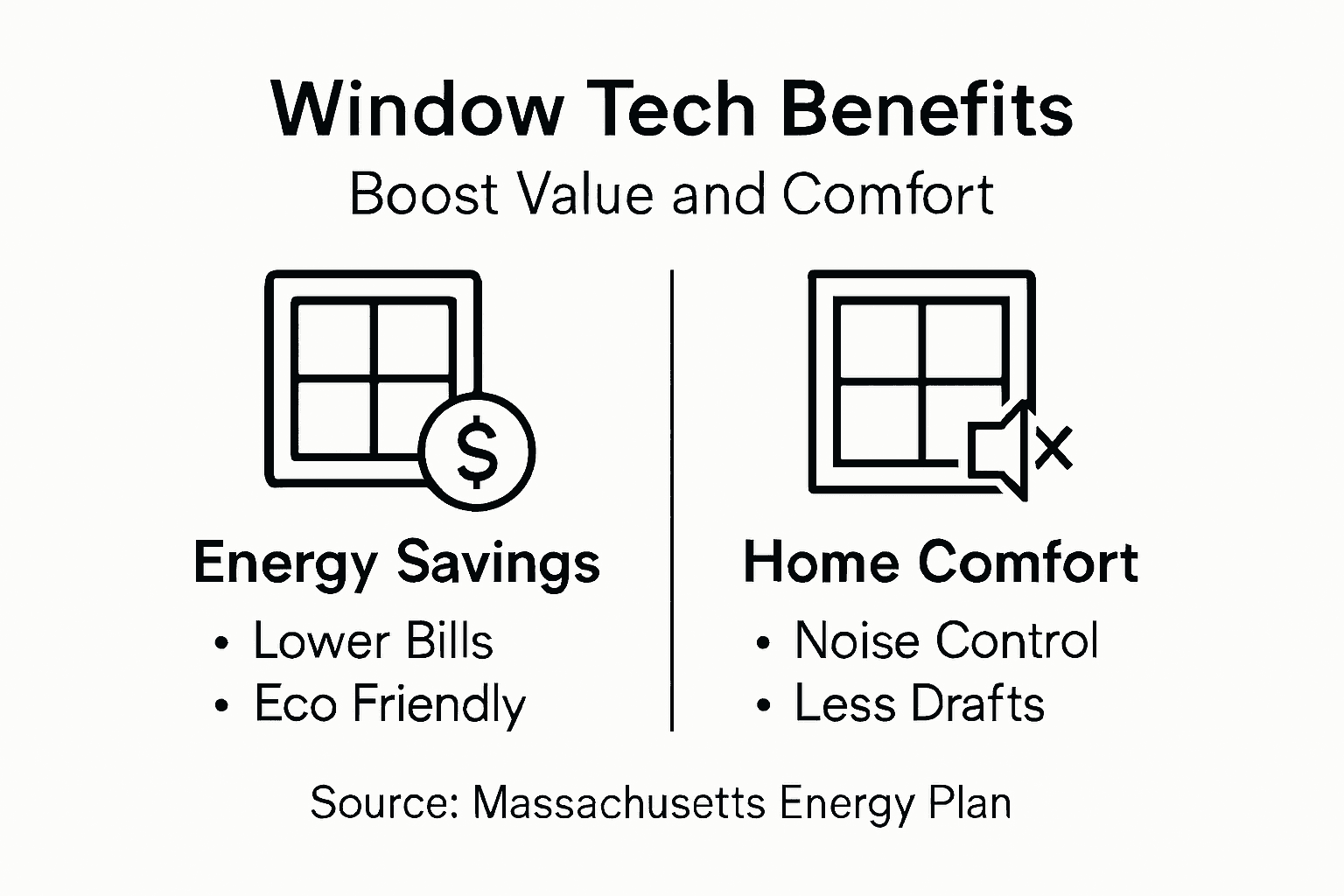
This table highlights the main cost and ROI considerations for window replacement:
| Cost Factor | Financial Impact | Long-Term Benefit |
|---|---|---|
| Upfront Installation | Moderate to high | Raises home market value |
| Energy Bill Savings | Significant annual reduction | Fast ROI, lower monthly costs |
| Tax Credits & Rebates | Reduces initial investment | Increases project affordability |
| Maintenance Expenses | Varies by material choice | Lower costs with quality windows |
| Home Value Increase | Appreciable over time | Better resale opportunities |
Pro tip: Request a professional energy audit to precisely calculate potential savings and identify the most cost-effective window replacement strategies for your specific home configuration.
Common Pitfalls and How to Avoid Them
Window replacement projects can quickly become complex and costly without proper planning and understanding of potential challenges. Massachusetts homeowners must navigate a maze of technical, regulatory, and financial considerations to ensure successful window upgrades.
Window replacement strategies require careful attention to multiple potential pitfalls that can compromise project outcomes. Understanding these common mistakes allows homeowners to make more informed decisions and protect their investment.
Key potential pitfalls include:
- Selecting inappropriate window types for local climate
- Overlooking energy performance ratings
- Choosing inexperienced installation contractors
- Neglecting proper window sealing techniques
- Failing to verify contractor credentials
- Ignoring long-term maintenance requirements
Most critical mistakes homeowners make during window replacement involve:
- Prioritizing lowest upfront cost over long-term efficiency
- Skipping professional energy performance assessments3. Hiring unregistered contractors
- Disregarding manufacturer installation guidelines
- Underestimating total project complexity
Thorough research and professional consultation can prevent costly window replacement errors and ensure optimal home performance.
Contractor selection represents a crucial factor in avoiding potential project disasters. Massachusetts homeowner resources provide comprehensive tools for verifying contractor legitimacy and understanding critical registration requirements.
Technical considerations extend beyond simple material selection. Proper window replacement involves understanding thermal dynamics, air infiltration rates, and region-specific building codes that impact overall system performance and energy efficiency.
Pro tip: Invest in a professional energy audit before window replacement to identify specific performance gaps and develop a targeted improvement strategy.
Elevate Your Massachusetts Home with Expert Window Replacement
Window replacement is a key step toward improving energy efficiency, home comfort, and overall property value in Massachusetts. If you struggle with high energy bills or drafty rooms caused by outdated or poorly installed windows, Sabatalo Contracting & Home Improvement provides trusted local solutions tailored to these challenges. Our team understands the importance of selecting the right materials and ensuring professional installation to maximize thermal performance and comply with Massachusetts building codes.
Discover how our high-quality Windows | Sabatalo Contracting services can help you avoid common pitfalls while boosting your home’s energy efficiency and aesthetic appeal.

Take the first step toward transforming your home with a trusted contractor who values integrity, quality, and long-term results. Visit Sabatalo Contracting today to request a quote or schedule your free consultation. Experience the peace of mind that comes with expert window replacement designed for Massachusetts homes.
Frequently Asked Questions
What are the benefits of window replacement?
Window replacement can enhance energy efficiency, reduce heating and cooling costs, improve indoor comfort, and increase your home’s overall value.
How do I choose the right type of replacement windows for my home?
Consider factors such as frame material, energy performance ratings, local climate conditions, and your home’s aesthetic needs when selecting replacement windows.
What factors should I consider when hiring a window replacement contractor?
Look for valid contractor registration, positive customer references, comprehensive liability insurance, and detailed written estimates before choosing a contractor.
How can I ensure proper installation of my new windows?
Ensure professional installation by hiring experienced contractors, verifying their credentials, and requesting that they follow manufacturer installation guidelines.
Recommended
- Window Replacement in Massachusetts: Boost Home Efficiency | Sabatalo Contracting
- New Energy Efficient Windows: Lower Bills, Enhanced Comfort | Sabatalo Contracting
- Energy Efficient Impact Windows: Savings and Protection | Sabatalo Contracting
- Reasonable Window Replacement for Massachusetts Homes | Sabatalo Contracting
