Storm damage leaves thousands of American roofs vulnerable every year, with Massachusetts homeowners especially at risk when unpredictable weather strikes. Protecting your home’s value means tackling roof repairs quickly and relying on local experts familiar with New England’s unique challenges. This guide breaks down how professional inspections and repairs can prevent bigger problems, highlights warning signs to watch for, and explains smart steps for choosing trusted help right here in Massachusetts.
Table of Contents
- Roof Damage Repair Explained For Homeowners
- Types Of Roof Damage And Causes In Massachusetts
- How Professionals Assess And Repair Roof Problems
- Understanding Insurance Coverage For Roof Repairs
- Cost Factors And Contractor Selection Tips
- Common Mistakes To Avoid In Roof Repairs
Key Takeaways
| Point | Details |
|---|---|
| Understanding Roof Damage | Extreme weather in Massachusetts, including heavy snowfall and ice storms, increases roof damage risk. Regular inspections help identify early symptoms to prevent major repairs. |
| Documenting Damage | Homeowners should document any roof damage with photos and notes for insurance claims and future assessments. This thorough record assists in navigating complex insurance processes. |
| Choosing the Right Contractor | Selecting a qualified contractor is crucial; homeowners should solicit multiple estimates and verify credentials to ensure reliable repairs. Transparent, itemized estimates help avoid unexpected costs. |
| Avoiding Common Mistakes | Homeowners often make critical errors, such as attempting DIY repairs or neglecting thorough inspections, which can lead to increased long-term costs. Professional evaluations can prevent exacerbating minor issues. |
Roof Damage Repair Explained for Homeowners
Roof damage represents one of the most critical maintenance challenges facing Massachusetts homeowners. Understanding how different weather conditions impact your roof’s integrity can prevent expensive structural problems and protect your home’s overall value. Comprehensive roof inspection techniques involve carefully examining multiple components to identify potential weaknesses before they escalate into major issues.
Most roof damage in Massachusetts stems from extreme seasonal weather variations, including heavy snowfall, ice storms, torrential rain, and occasional hail. Wind and precipitation can compromise shingle integrity, create water infiltration points, and gradually weaken roof decking. Professional contractors recommend regular visual assessments to catch early warning signs like curling shingles, granule loss, cracked flashing, or visible water stains on interior ceilings. These indicators suggest potential structural vulnerabilities that require immediate professional evaluation.
Addressing roof damage promptly involves a systematic approach. Homeowners should first document existing damage through photographs and detailed notes, which help insurance claims and professional assessments. Roof reinforcement strategies emphasize selecting appropriate materials and installation techniques that enhance weather resistance. This might include using impact-resistant shingles, ensuring proper deck sealing, and implementing robust fastening methods that withstand Massachusetts’ challenging climate conditions.
Pro Tip: Schedule professional roof inspections during spring and fall to catch potential damage early and prevent costly long-term repairs.
Types of Roof Damage and Causes in Massachusetts
Massachusetts homeowners face unique challenges in roof maintenance due to the region’s diverse and often harsh weather conditions. Common roof defects range from minor wear and tear to significant structural damage caused by environmental factors. Understanding these potential issues is crucial for protecting your home’s most critical protective barrier.
The primary types of roof damage in Massachusetts stem from several key sources. Wind damage can create uplift forces that loosen or remove shingles, while heavy snowfall and ice storms create immense pressure on roof structures. Hail presents another significant threat, causing granule loss on asphalt shingles and creating punctures that compromise roof integrity. Severe weather impact analysis highlights how Massachusetts’ unique climate contributes to accelerated roof deterioration, with temperature fluctuations causing expansion and contraction that weakens roofing materials over time.
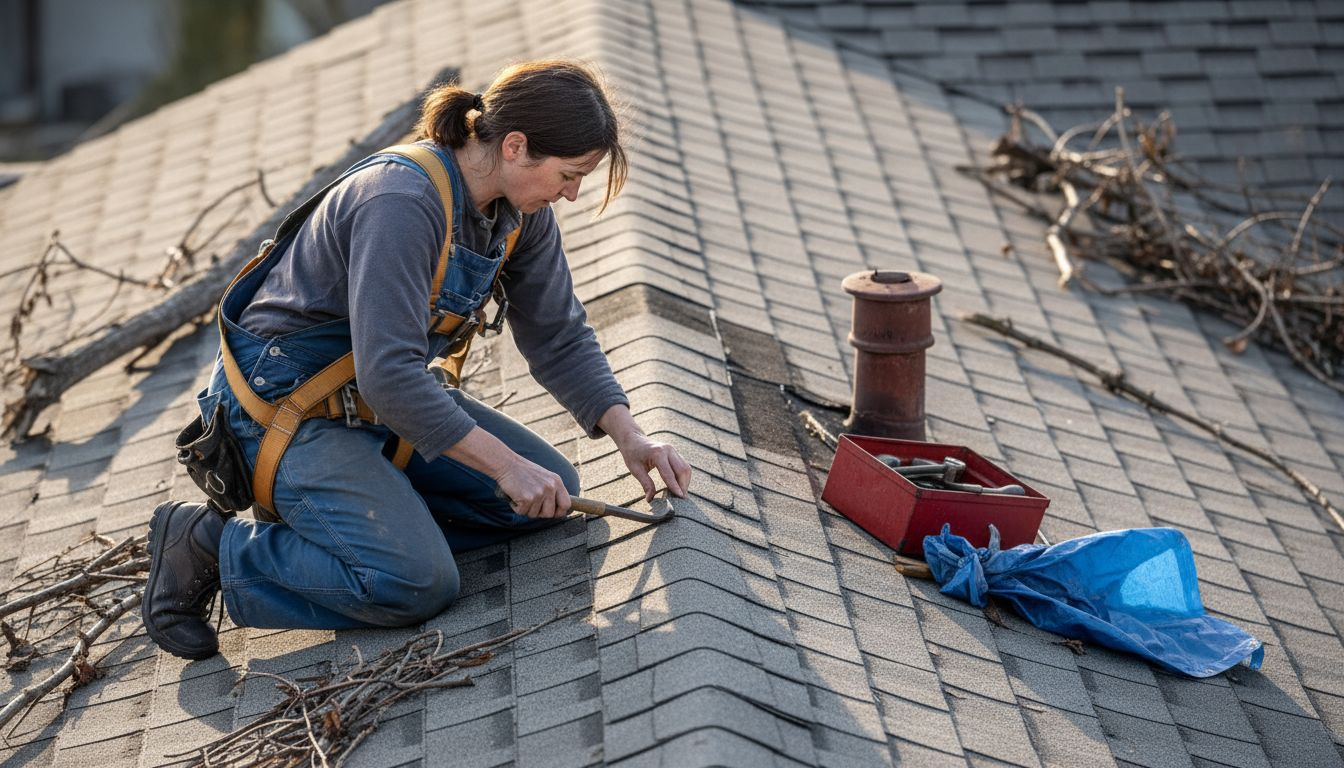
Specific damage types homeowners should watch for include curling or buckled shingles, cracked flashing, water stains on interior ceilings, and visible moss or algae growth. These symptoms often indicate underlying issues such as moisture infiltration, poor ventilation, or structural weakness. Older roofs are particularly vulnerable, with materials breaking down more quickly when exposed to repeated freeze-thaw cycles typical in Massachusetts’ winter months. Professional inspections can help identify these problems before they escalate into costly full roof replacements.
Here’s a comparison of common roof damage types in Massachusetts and their likely causes:
| Damage Type | Likely Causes | Typical Symptoms |
|---|---|---|
| Shingle Curling | Freeze-thaw cycles | Edges turning up |
| Flashing Cracks | Ice storms, aging | Leaks at joints |
| Moss/Algae Growth | Moisture retention | Green patches on surface |
| Water Stains | Precipitation, leaks | Discolored interior spots |
| Granule Loss | Hail, heavy rain | Bald spots on shingles |
Pro Tip: Photograph roof damage immediately after discovering it and keep a detailed maintenance log to support potential insurance claims and track your roof’s condition over time.
How Professionals Assess and Repair Roof Problems
Professional roof assessments require a systematic and comprehensive approach to identifying potential structural vulnerabilities. Roof inspection techniques involve detailed visual examinations, specialized equipment, and expert knowledge that go far beyond what typical homeowners can accomplish. Contractors begin by conducting a thorough external examination, looking for signs of damage such as missing or cracked shingles, deteriorated flashing, and potential water infiltration points.
The assessment process typically involves multiple critical steps. Professionals use moisture detection equipment to identify hidden water damage, thermal imaging cameras to reveal insulation and structural weaknesses, and advanced climbing techniques to safely access and inspect hard-to-reach roof areas. Roof reinforcement strategies emphasize not just identifying problems but implementing comprehensive repair solutions that enhance the roof’s overall durability and weather resistance. This might include replacing damaged sections, reinforcing roof edges, improving ventilation, and using advanced sealing techniques to prevent future moisture intrusion.
Understanding the repair process requires recognizing the complexity of roof systems. Different roofing materials require unique repair approaches, whether dealing with asphalt shingles, metal roofing, or specialized architectural designs common in Massachusetts homes. Professional roofers assess not just the visible damage but also underlying structural integrity, potential insulation issues, and long-term performance implications. They consider factors like local weather patterns, building age, and previous maintenance history to develop a comprehensive repair strategy that addresses both immediate concerns and potential future vulnerabilities.
Pro Tip: Request a detailed written report with photographic evidence during professional roof assessments to maintain a comprehensive maintenance record and support potential insurance claims.
Understanding Insurance Coverage for Roof Repairs
Navigating roof damage insurance claims can be complex and overwhelming for Massachusetts homeowners. Insurance policies typically cover roof damage caused by sudden, unexpected events like severe storms, hail, wind damage, or falling trees, but exclude damage resulting from normal wear and tear or poor maintenance. Homeowners must carefully review their specific policy details to understand the extent of their coverage and potential out-of-pocket expenses.
Most homeowners insurance policies categorize roof damage into several key categories. Sudden damage from extreme weather events is usually fully covered, while gradual deterioration often requires separate maintenance or repair funding. Factors like the roof’s age, material type, and previous repair history can significantly impact claim approval. Some insurance providers may only partially cover older roofs, implementing depreciation calculations that reduce reimbursement amounts based on the roof’s remaining expected lifespan.
Successful insurance claims require meticulous documentation and prompt action. Homeowners should photograph damage immediately, maintain detailed maintenance records, and contact their insurance provider quickly after discovering roof issues. Professional roof inspection reports can provide critical evidence supporting insurance claims, helping demonstrate the extent and cause of damage. Repairing hail damage often requires specialized documentation to prove the specific nature of weather-related destruction and secure appropriate compensation.
Pro Tip: Schedule annual professional roof inspections and keep comprehensive maintenance documentation to strengthen potential future insurance claims and potentially prevent coverage disputes.
Cost Factors and Contractor Selection Tips
Roof repair costs in Massachusetts can vary dramatically based on multiple complex factors. Roof repair cost analysis reveals that homeowners should anticipate expenses ranging from several hundred to several thousand dollars depending on damage extent, roofing material, and repair complexity. Factors like roof pitch, accessibility, and the specific type of damage significantly influence overall project pricing, making it crucial to understand potential financial implications before beginning repairs.
Selecting the right roofing contractor requires careful due diligence and thorough investigation. Homeowners should request multiple comprehensive estimates, carefully verify professional credentials, and examine past project portfolios. Critical selection criteria include checking state licensing, reviewing insurance documentation, examining professional certifications, and investigating past customer reviews. Some contractors specialize in specific roof types or damage scenarios, so matching their expertise with your specific repair needs becomes paramount for successful project completion.
Understanding cost breakdowns helps homeowners make informed decisions. Repair expenses typically include materials, labor, equipment rental, disposal fees, and potential structural reinforcement. Contractor selection strategies recommend obtaining at least three detailed written estimates that itemize all potential expenses. Additional considerations include warranty offerings, projected repair longevity, and the contractor’s reputation for addressing post-repair maintenance and potential future issues.
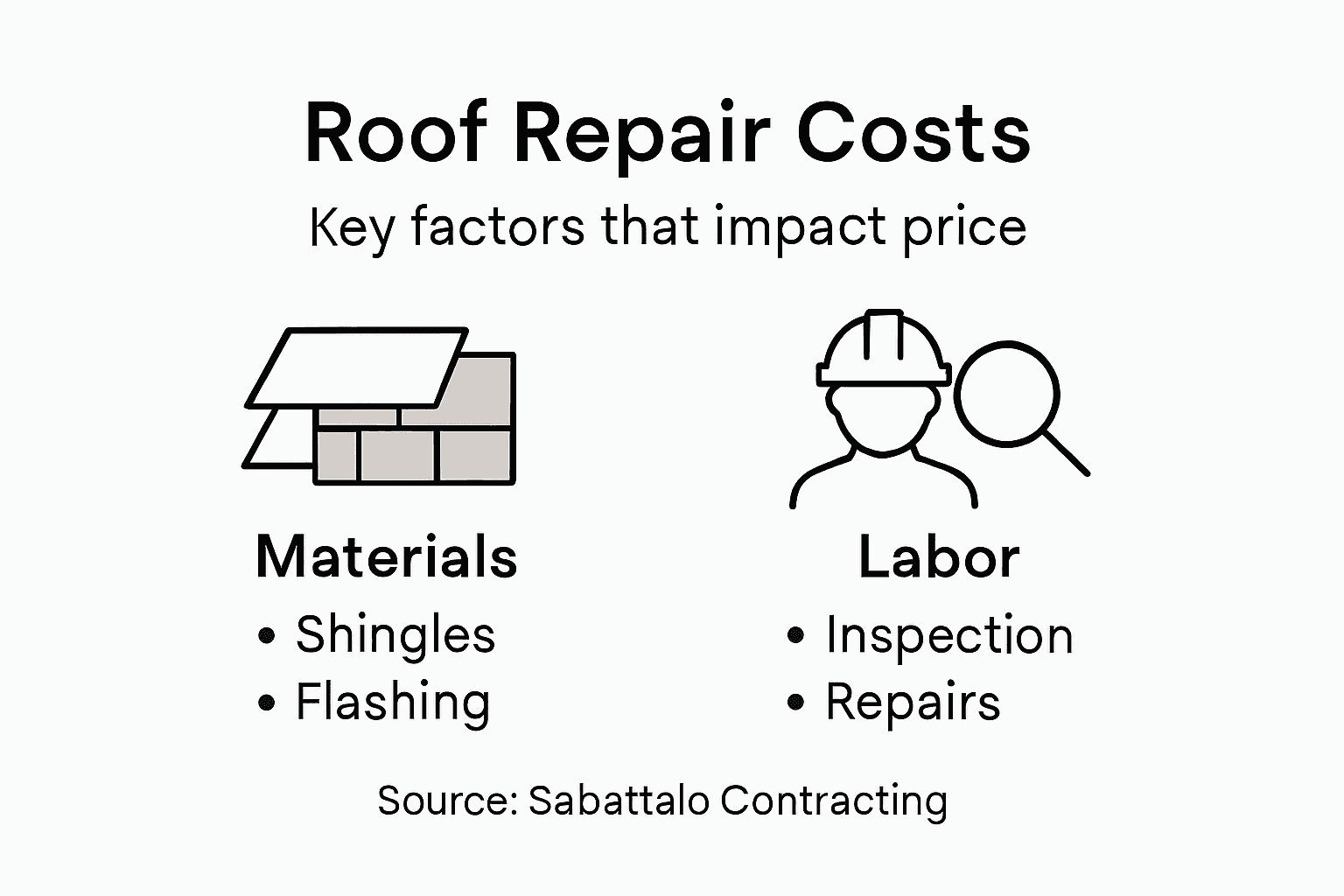
Below is a summary of factors affecting roof repair costs in Massachusetts:
| Cost Factor | Description | Impact on Price |
|---|---|---|
| Material Type | Asphalt, metal, slate, etc. | Higher for premium types |
| Roof Pitch | Steepness of the roof | Steeper increases labor |
| Damage Extent | Area and severity needing repair | More damage costs more |
| Accessibility | Ease of reaching the damaged area | Difficult access increases cost |
| Structural Repairs | Need for deck or support repairs | Adds significant expense |
Pro Tip: Request line-item estimates from contractors and compare not just total costs, but the specific breakdown of materials, labor, and additional services to ensure transparent and fair pricing.
Common Mistakes to Avoid in Roof Repairs
Homeowners in Massachusetts frequently make critical errors when addressing roof damage that can dramatically increase long-term repair costs and structural risks. Common roof repair mistakes often stem from attempting DIY repairs without proper knowledge, ignoring early warning signs, or postponing professional assessments. These seemingly minor oversights can transform manageable maintenance issues into expensive, extensive structural problems.
One of the most significant errors homeowners make involves improper flashing repairs and installation. Flashing repair techniques require precise professional skills to prevent water infiltration and subsequent damage. Inexperienced repairs can create vulnerabilities that allow moisture to penetrate critical roof junctures, leading to hidden rot, mold growth, and structural deterioration. Common mistakes include using mismatched materials, inadequate sealing, and failing to properly integrate flashing with surrounding roofing components.
Additional critical mistakes include selecting inappropriate repair materials, neglecting comprehensive roof inspections, and underestimating the complexity of roof system interactions. Homeowners sometimes choose cheap, low-quality materials that fail to withstand Massachusetts’ harsh weather conditions, or they attempt partial repairs that do not address underlying structural issues. Professional roofers emphasize the importance of holistic assessments that examine not just visible damage, but potential hidden vulnerabilities in roof decking, insulation, and supporting structures.
Pro Tip: Always document roof repair attempts with photographs and keep detailed maintenance records to support future insurance claims and track your roof’s long-term condition.
Secure Your Massachusetts Home with Expert Roof Damage Repair
Roof damage caused by harsh Massachusetts weather requires prompt and professional attention to protect your home’s structural integrity and prevent costly repairs. If you have noticed curling shingles, cracked flashing, or water stains on your ceiling, these warning signs demand immediate evaluation by experienced contractors familiar with local climate challenges. Sabatalo Contracting & Home Improvement offers over 15 years of trusted expertise specializing in high-quality exterior solutions that include comprehensive Roofing repairs designed to reinforce your home against future damage.

Don’t let minor damage escalate into major expenses. Connect with Sabatalo Contracting today to schedule your professional roof inspection and repair. Their proven craftsmanship, transparent process, and durable materials ensure your home stays safe and looks great year-round. Explore their full range of services at Sabatalo Contracting & Home Improvement and consider enhancing your home’s protection further with premium Siding or energy-efficient Windows. Act now to safeguard your Massachusetts property and enjoy peace of mind with trusted local experts.
Frequently Asked Questions
What are the common types of roof damage in Massachusetts?
Common types of roof damage include curling or buckled shingles, cracked flashing, moss or algae growth, water stains on ceilings, and granule loss due to hail or heavy rain.
How can I identify early signs of roof damage?
Look for curling shingles, granule loss, visible water stains on ceilings, cracked flashing, or other signs of wear and tear. Regular visual assessments can help catch these indicators early.
What steps should I take if I find roof damage?
Document the damage with photographs and notes, then contact a professional for an inspection. Make sure to have maintenance records ready to aid any insurance claims if necessary.
How do professionals assess roof damage?
Professionals conduct comprehensive evaluations using visual inspections, moisture detection equipment, and thermal imaging cameras to identify hidden issues and assess the overall structural integrity of the roof.
Recommended
-
- How to Spot Roof Damage: A Step-by-Step Homeowner Guide | Sabatalo Contracting
- How to Identify Roof Damage: Step-by-Step Guide for Homeowners | Sabatalo Contracting
- Roof Replacement Options for Massachusetts Homes | Sabatalo Contracting
- How to Prevent Roof Leaks: A Step-by-Step Guide for Homeowners | Sabatalo Contracting
