
Most American homeowners in Massachusetts underestimate how much water damage starts with tiny gaps around windows, doors, or roofing seams. In a state famous for unpredictable weather, choosing the right protection for these areas matters more than ever. By tackling common myths and revealing the facts about flashing tape, you will learn how durable materials safeguard your investment and keep your home structurally sound.
Table of Contents
- Flashing Tape Basics And Common Myths
- Types Of Flashing Tape For Exteriors
- How Flashing Tape Seals And Protects
- Key Applications In Roofing And Siding
- Mistakes To Avoid And Maintenance Tips
Key Takeaways
| Point | Details |
|---|---|
| Understanding Flashing Tape | Flashing tape is essential for protecting homes from moisture and should not be considered a temporary fix. |
| Choosing the Right Type | Select flashing tape based on specific performance characteristics, such as adhesive strength and weather resistance. |
| Proper Installation | Ensure thorough surface cleaning and follow manufacturer instructions for effective moisture barriers. |
| Regular Maintenance | Conduct annual inspections for signs of wear and tear to prevent water damage over time. |
Flashing Tape Basics and Common Myths
Flashing tape represents a critical yet often misunderstood component in home exterior protection, particularly for Massachusetts homeowners facing diverse weather conditions. Experts from environmental research organizations confirm that this specialized adhesive material serves as an essential barrier against moisture, air infiltration, and potential structural damage.
Contrary to popular misconceptions, flashing tape is not a temporary fix but a sophisticated engineering solution designed to seal vulnerable areas around windows, doors, roofing interfaces, and other potential moisture entry points. The American Architectural Networks explain that different types of flashing tape offer varying performance characteristics, making product selection crucial for long-term home protection.
Most homeowners mistakenly believe all flashing tapes perform identically. In reality, these protective materials vary significantly in:
- Adhesive strength
- Weather resistance
- Flexibility under temperature changes
- Durability across different architectural surfaces
Understanding these nuanced differences helps Massachusetts homeowners make informed decisions about protecting their home’s critical exterior interfaces. Proper installation requires careful surface preparation, precise application techniques, and selecting a tape compatible with specific building materials.
Pro tip: Before applying flashing tape, always clean and dry the surface thoroughly, ensuring optimal adhesion and preventing potential moisture penetration.
Types of Flashing Tape for Exteriors
Massachusetts homeowners have multiple flashing tape options to protect their homes, each designed with specific performance characteristics tailored to different exterior environments. Professional construction resources detail the primary categories of flashing tapes, including butyl, bitumen, acrylic, and polyurethane varieties, each offering unique advantages for moisture and air barrier protection.
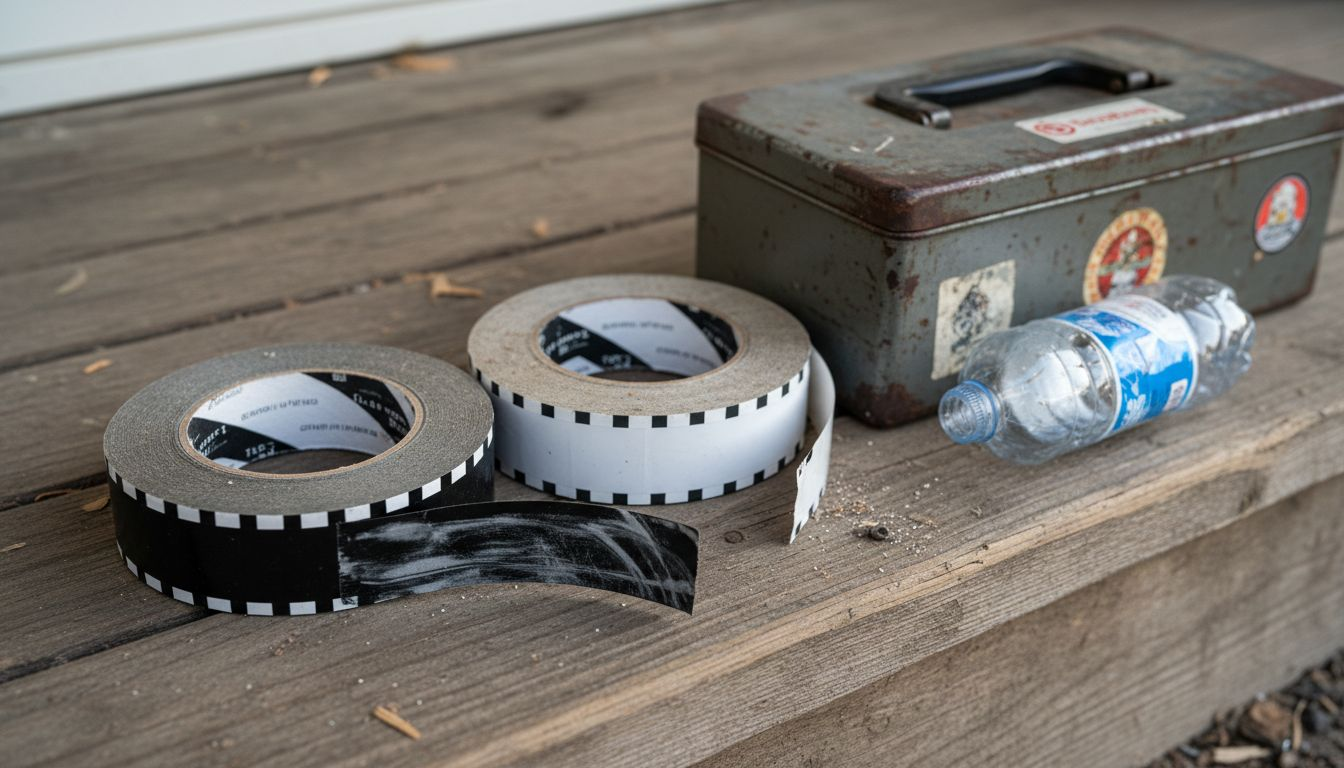
Butyl-based flashing tapes are particularly renowned for their exceptional adhesive properties and flexibility. These tapes excel in sealing irregular surfaces and maintaining performance across wide temperature ranges, making them ideal for New England’s challenging climate conditions. Comprehensive technical guides highlight that butyl tapes provide superior water resistance and long-term durability compared to alternative materials.
Different flashing tape types offer distinct performance characteristics:
- Butyl Tapes: Highly adhesive, flexible, excellent for irregular surfaces
- Bitumen Tapes: Traditional option, good for roofing applications
- Acrylic Tapes: Superior UV resistance, best for exposed areas
- Polyurethane Tapes: Maximum elasticity, ideal for dynamic building surfaces
Selecting the appropriate flashing tape depends on multiple factors including surface material, exposure conditions, temperature fluctuations, and specific architectural requirements. Massachusetts homeowners should consider local climate challenges, potential moisture exposure, and the specific building envelope characteristics when making their selection.
Here is a comparison of flashing tape types and their ideal uses:
| Flashing Tape Type | Ideal Environments | Strengths |
|---|---|---|
| Butyl | Humid, variable climates | Excellent cold weather seal |
| Bitumen | Roofs, traditional uses | Good leak protection on roofs |
| Acrylic | High sun-exposed areas | Outstanding UV resistance |
| Polyurethane | Moving/dynamic surfaces | Superior structural mobility |
Pro tip: Always consult a professional contractor to match the right flashing tape type with your specific exterior protection needs and local building requirements.
How Flashing Tape Seals and Protects
The science of home protection revolves around creating seamless barriers against moisture, and flashing tape plays a critical role in this defensive strategy for Massachusetts homeowners. Engineering experts detail the precise mechanics of how these specialized adhesive materials create continuous weather-resistant seals around vulnerable structural interfaces like windows, doors, and roofing connections.
At its core, flashing tape functions through a sophisticated combination of adhesive technology and material engineering. When correctly applied, the tape forms a molecular bond with surface materials, creating a microscopic seal that prevents water penetration while allowing minimal structural movement. This flexibility is crucial in regions like Massachusetts, where temperature fluctuations and extreme weather conditions demand exceptional adaptability from building materials.
The sealing mechanism of flashing tape involves several critical performance characteristics:
- Adhesive Strength: Creates permanent, water-resistant bonds
- Elasticity: Accommodates building material expansions and contractions
- Moisture Barrier: Prevents water infiltration at critical junction points
- Breathability: Allows minimal moisture vapor transmission
Successful application requires meticulous surface preparation, precise alignment, and understanding of how different building materials interact. Massachusetts homeowners must consider factors like surface cleanliness, temperature during installation, and the specific environmental challenges of their local microclimate when implementing flashing tape protection.
Pro tip: Clean surfaces thoroughly with rubbing alcohol before applying flashing tape to ensure maximum adhesion and create the most effective moisture barrier possible.
Key Applications in Roofing and Siding
Flashing tape serves as a critical protective barrier in Massachusetts home construction, addressing some of the most vulnerable areas where moisture can potentially compromise structural integrity. Technical installation manuals detail comprehensive application strategies for protecting critical transitions between different building materials, especially in regions with challenging weather conditions like New England.
In roofing applications, flashing tape becomes essential at key intersection points such as roof-to-wall connections, around chimneys, skylights, and ventilation systems. These areas represent potential entry points for water infiltration, and precise tape application creates a continuous sealed barrier that prevents moisture penetration. Weatherproofing experts emphasize the importance of coordinating flashing tape with house wrap and other sealant systems to maximize home protection.
Critical areas where flashing tape provides maximum protection include:
- Roof Valleys: Preventing water accumulation and potential leaks
- Window Perimeters: Sealing gaps between window frames and wall surfaces
- Door Thresholds: Creating moisture barriers at entry points
- Roof-to-Wall Transitions: Blocking water infiltration at complex structural junctions
- Chimney and Skylight Interfaces: Protecting vulnerable penetration points
Successful application requires understanding the unique characteristics of different building materials and how they interact under various environmental conditions. Massachusetts homeowners must consider factors like temperature variations, humidity levels, and potential wind-driven moisture when selecting and installing flashing tape.
Pro tip: Always overlap flashing tape sections by at least 2 inches and ensure complete adhesive contact to create a truly continuous moisture barrier.
Mistakes to Avoid and Maintenance Tips
Flashing tape installation demands precision and careful attention to detail, especially in Massachusetts’ challenging climate conditions. Installation experts identify several critical mistakes that can compromise the effectiveness of moisture protection and potentially lead to expensive home repairs.
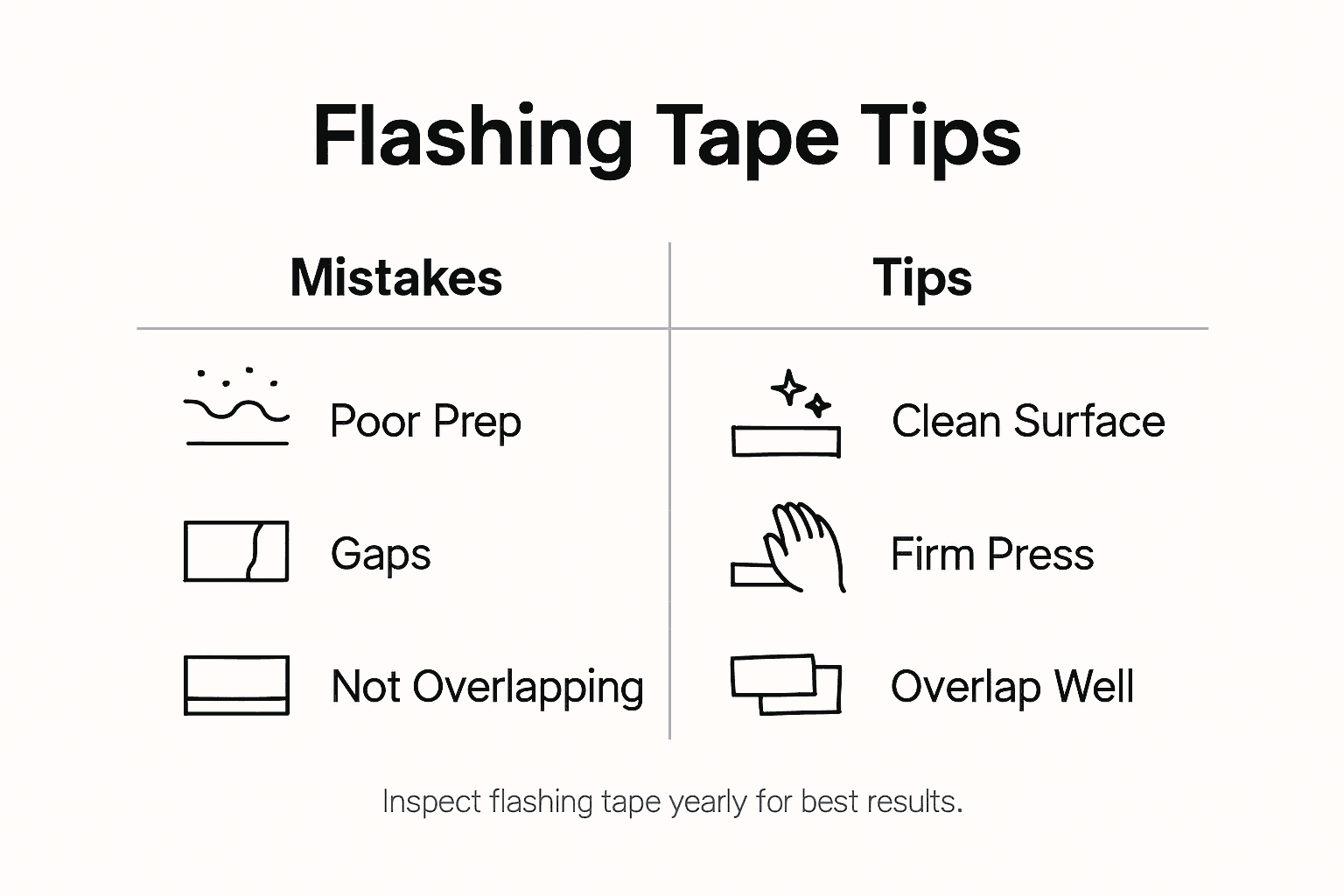
Professional construction associations recommend understanding the most common errors to ensure long-term structural integrity. Improper application can create vulnerabilities that allow water penetration, potentially causing significant damage to your home’s exterior and interior structures. These mistakes often stem from inadequate surface preparation, incorrect material selection, or poor installation techniques.
Common mistakes Massachusetts homeowners should avoid include:
- Insufficient Surface Cleaning: Failing to remove dirt, dust, and debris before application
- Temperature Ignorance: Installing tape in inappropriate temperature conditions
- Incorrect Overlapping: Not providing adequate tape overlap at connection points
- Material Incompatibility: Using tapes not designed for specific surface types
- Skipping Manufacturer Instructions: Ignoring specific installation guidelines
Routine maintenance is crucial for maximizing the protective capabilities of flashing tape. Homeowners should conduct annual inspections, looking for signs of tape degradation, such as lifting edges, cracking, or separation from surface materials. Pay special attention to areas with high moisture exposure, like roof valleys, window perimeters, and door thresholds.
Use this summary to help prevent common flashing tape installation issues:
| Mistake to Avoid | Impact on Home | Preventive Action |
|---|---|---|
| Skipping surface prep | Weak seal, leaks | Clean and dry surfaces fully |
| Overlapping too little | Barrier gaps, leaks | Overlap by at least 2 inches |
| Using wrong tape type | Early failure, damage | Match tape to surface/climate |
| Ignoring instructions | Voided warranty, leaks | Follow all manufacturer steps |
Pro tip: Schedule a professional inspection of your flashing tape every two years to catch potential issues before they develop into costly water damage problems.
Protect Your Massachusetts Home with Expert Flashing Tape Installation
Understanding the vital role of flashing tape in protecting your home from moisture damage and harsh weather is just the first step. The article highlights key challenges such as selecting the right flashing tape type for your specific exterior surfaces and ensuring proper application to prevent leaks and structural problems. As a Massachusetts homeowner, you deserve a solution that guarantees a durable, water-resistant seal around windows, doors, roofing transitions, and more.
At Sabatalo Contracting & Home Improvement, we bring over 15 years of local expertise to help you safeguard your home against these very challenges. Our professional team specializes in exterior improvements where expert flashing tape installation enhances the longevity of your siding, roofing, windows, and doors. We understand the nuances of Massachusetts weather and tailor our services to deliver precise, high-quality craftsmanship that prevents costly moisture intrusion.

Make the smart choice today to protect your home with proven exterior solutions and expert flashing tape application. Visit our site to explore our comprehensive home improvement services and schedule a consultation. Don’t wait for leaks or damage to occur. Reach out now at Sabatalo Contracting & Home Improvement and secure your peace of mind with a trusted Massachusetts contractor.
Frequently Asked Questions
What is flashing tape used for?
Flashing tape is a specialized adhesive material used to create a moisture-resistant barrier around windows, doors, roofing interfaces, and other areas prone to water infiltration, protecting a home’s structure from potential damage.
How do I choose the right type of flashing tape for my home?
Selecting the right flashing tape depends on various factors, including surface material, environmental exposure, and temperature fluctuations. Common types include butyl, bitumen, acrylic, and polyurethane, each designed for specific applications and performance characteristics.
What are some common mistakes to avoid when installing flashing tape?
Common mistakes include insufficient surface cleaning, incorrect temperature during installation, inadequate tape overlapping, using the wrong type of tape for specific surfaces, and ignoring manufacturer installation guidelines, all of which can compromise the effectiveness of the moisture barrier.
How often should I inspect my flashing tape?
It’s recommended to perform annual inspections of your flashing tape, particularly in areas with high moisture exposure. Look for signs of degradation such as lifting edges, cracking, or separation from surfaces to catch potential issues before they lead to water damage.
Recommended
- Flood Proofing Your Home: Essential Steps for Massachusetts | Sabatalo Contracting
- What Is a Drip Edge and Why It Matters | Sabatalo Contracting
- How to Prevent Roof Leaks: A Step-by-Step Guide for Homeowners | Sabatalo Contracting
- Roof Ice Melt Systems: Preventing Winter Roof Damage | Sabatalo Contracting
- What Is Roof Flashing? Complete Guide to This Essential Home Protection
