
TL;DR:
- After a storm, homeowners must conduct safety checks to avoid downed power lines and structural hazards. Properly drying and documenting damage prevents mold growth and helps insurance claims, with licensed professionals handling critical repairs. Rushing recovery tasks increases risks; patience and proper procedures ensure safe, cost-effective restoration.
Knowing what to do after a storm is the difference between a controlled recovery and a costly, dangerous mistake. Massachusetts homeowners face a specific mix of threats after major weather events: nor’easters, tropical systems, and severe thunderstorms that bring wind, hail, flooding, and downed trees. The right response is not just about cleaning up. It is about moving through a clear sequence of safety checks, damage assessment, and protective repairs before conditions get worse.
What to do after a storm: your immediate safety check
The first priority after any storm is confirming that your property is safe to approach. Do not walk toward your home until you have scanned the yard and street for downed power lines. Stay at least 35 feet from any downed line. That distance matters because electricity can arc through wet ground and reach you before you see the wire.
Before entering the structure, look for these warning signs from a safe distance:
- Leaning or shifted walls that suggest the foundation or framing shifted during the storm
- Sagging or visibly damaged rooflines that signal potential collapse risk
- Broken gas meters or the smell of sulfur near the foundation or utility connections
- Flooded basements or ground floors with standing water that may conceal electrical hazards
- Shattered windows or missing exterior doors that allowed wind and rain to pressurize the interior
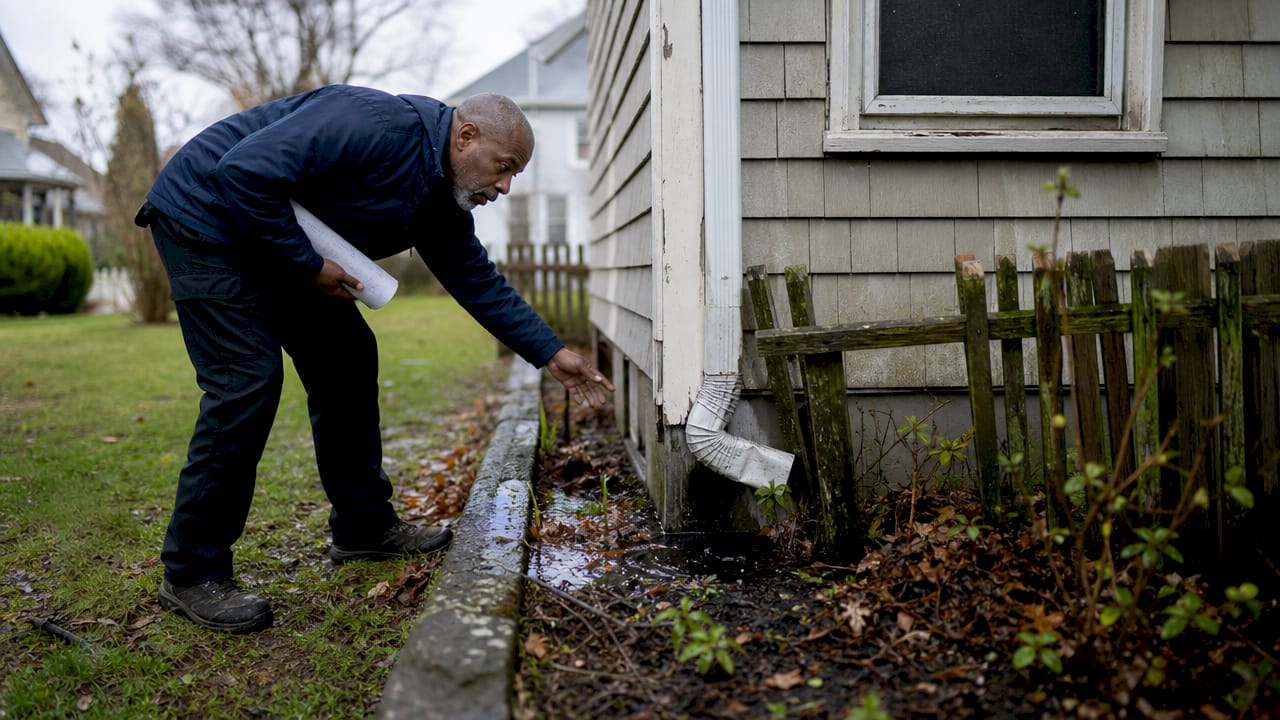
Visual inspection from outside should identify structural shifts, leaning walls, or sagging roofs before you step inside. If you see any of these signs, call your local fire department or utility company before entering. Wear hard-soled shoes, long pants, and work gloves once you do go in. Contaminated floodwater carries bacteria, and broken glass or nails are everywhere after a major storm.
Pro Tip: Take a slow walk around the full perimeter of your home before entering. You will spot exterior damage, like missing siding panels or cracked foundation blocks, that is easy to miss when you go straight to the front door.
For a detailed look at what roof damage looks like from the ground, the roof damage inspection guide from Sabatalocontracting covers exactly what Massachusetts homeowners should look for after high winds and hail.
How to clean up and limit damage step by step
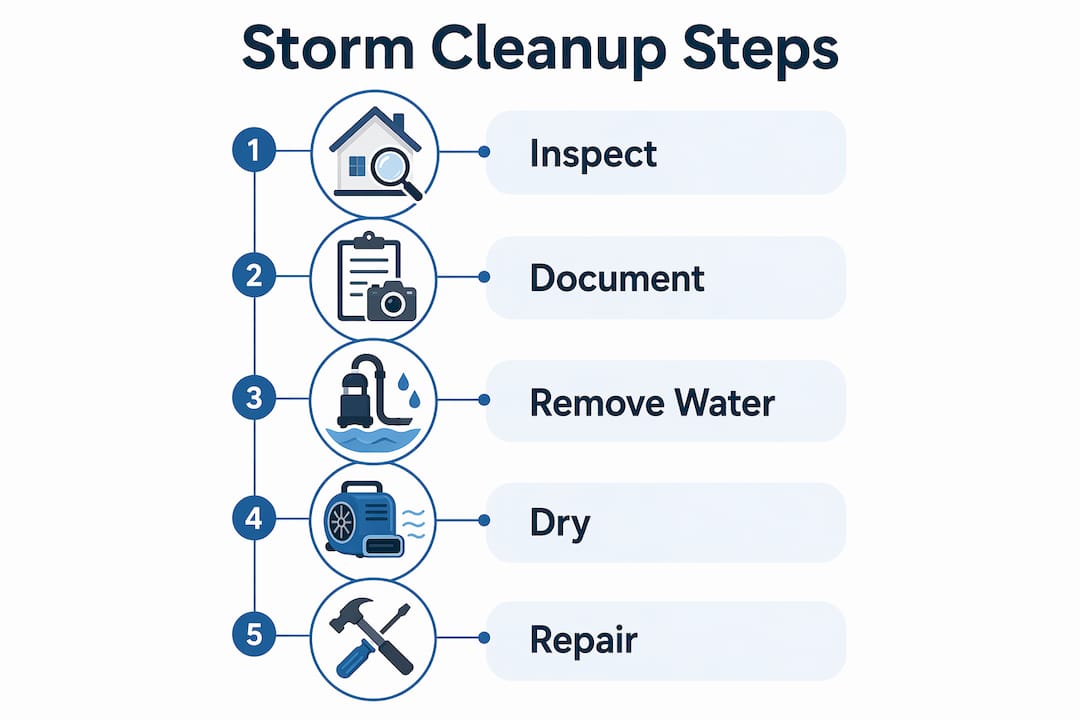
Once your home is confirmed safe to enter, the cleanup process follows a specific order. Skipping steps or rushing creates new problems, including mold, structural decay, and insurance complications.
- Remove standing water first. Use a wet/dry vacuum, mop, or pump to pull water out of flooded areas as quickly as possible.
- Sort and remove debris. Separate yard debris (branches, leaves), building materials (drywall, insulation), and household trash into distinct piles for proper disposal.
- Pull out unsalvageable wet materials. Saturated drywall, carpet, and insulation cannot be dried effectively. Remove them before they become mold sources.
- Dry the structure before aggressive cleaning. Prioritize drying over scrubbing at this stage. Scrubbing wet surfaces stirs up mold spores and spreads contaminants further into the air.
- Clean surfaces with soap and water before disinfecting. Bleach and other disinfectants fail to kill pathogens when organic debris is still present. Soap and water must come first.
- Document everything before disposal. Photograph and video every damaged item and surface before removing it. This step protects your insurance claim.
Mold colonization begins within 48 hours on wet organic materials. That timeline is shorter than most homeowners expect. Professional drying equipment, including industrial dehumidifiers and air movers, is often the only way to dry wall cavities and subfloors fast enough to prevent mold from taking hold.
| Cleanup step | Tools or equipment needed |
|---|---|
| Remove standing water | Wet/dry vacuum, submersible pump, mop |
| Remove wet building materials | Utility knife, pry bar, heavy-duty trash bags |
| Dry structure and contents | Industrial dehumidifier, air mover fans |
| Clean surfaces | Soap, water, scrub brushes, buckets |
| Disinfect cleaned surfaces | EPA-registered disinfectant, gloves, mask |
| Document damage | Smartphone camera, moisture meter |
Professional water damage drying takes 5–14 days depending on severity. Moderate damage typically resolves in 5–7 days with proper equipment. Severe flooding can require up to two weeks. Rushing this timeline by closing up walls too early traps moisture and guarantees mold problems later.
Pro Tip: Rent or hire professional drying equipment rather than relying on household fans. Box fans move surface air but cannot pull moisture from inside wall cavities where mold actually grows.
If you are using a portable generator during cleanup, operate it at least 20 feet from any window, door, or vent. Carbon monoxide from generators is odorless and kills quickly. This distance requirement is not a suggestion.
How to protect your property and handle repairs and insurance
Stopping further damage is the next priority after the initial cleanup. Exposed openings in your roof, walls, or windows allow rain, pests, and cold air to continue damaging the structure while you wait for professional repairs.
Key protective steps include:
- Board up broken windows and doors with plywood to block weather and unauthorized entry
- Cover roof openings with heavy-duty tarps secured with roofing nails or weighted boards
- Shut off utilities if you have not already, including gas, electricity, and water at the main shutoffs
- Photograph all damage from multiple angles before any temporary repairs, since adjusters need to see the original condition
Document all damage with photos and videos before discarding anything. Improper disposal of damaged items before documentation can jeopardize your insurance reimbursement. State Farm and most major insurers require visual proof of damage, including hidden damage behind walls and under floors.
Thermal imaging and moisture meters help insurance adjusters find damage that is not visible to the naked eye. If your contractor or adjuster does not use these tools, ask why.
| Repair type | DIY or professional? |
|---|---|
| Temporary tarp over roof | DIY if safe to access |
| Board-up of windows and doors | DIY |
| Roof shingle replacement | Licensed contractor |
| Siding repair or replacement | Licensed contractor |
| Structural framing repair | Licensed contractor only |
| Electrical system inspection | Licensed electrician only |
Massachusetts requires licensed contractors for structural, roofing, and electrical work. Hiring an unlicensed contractor can void your homeowner’s insurance coverage and create liability issues. Sabatalocontracting specializes in storm siding damage and roofing repairs across Massachusetts, with over 15 years of experience working with local insurance adjusters and building codes.
For hail-specific damage, the hail damage repair guide from Sabatalocontracting walks you through what to look for on shingles, gutters, and siding before you call your insurer.
What safety mistakes do homeowners make during storm recovery?
The most common post-storm injuries are preventable. Overexertion is the leading cause of secondary injuries during storm cleanup. Lifting items over 50 pounds alone is unsafe. Work with a partner for any heavy debris removal.
Critical safety warnings:
Never touch or approach a downed power line, even if it appears inactive. Never use a generator indoors, in a garage, or within 20 feet of any opening. Never attempt to cut or remove a tree that is leaning against your home without a certified arborist. Never enter a flooded basement if the electrical panel is submerged or the power is still on.
Additional mistakes that create serious risk:
- Entering a structurally compromised building before a professional assessment
- Using bleach on surfaces that have not been cleaned with soap and water first, which makes the disinfectant ineffective
- Discarding damaged items before photographing them, which can eliminate your insurance claim
- Working through exhaustion. Pacing yourself during recovery is not optional. Heat, physical strain, and stress compound quickly after a storm, and fatigue causes accidents.
Pro Tip: Set a two-hour work limit for outdoor cleanup tasks, then take a break, hydrate, and assess how you feel before continuing. Storm recovery is a multi-day process, not a single afternoon.
Mold is another underestimated threat. If you see visible mold growth larger than 10 square feet, the EPA recommends hiring a professional remediation company rather than attempting DIY removal. Disturbing large mold colonies without proper containment spreads spores throughout the home.
Key takeaways
Safe and effective storm recovery requires immediate safety checks, fast drying, thorough documentation, and licensed professional repairs completed in the right order.
| Point | Details |
|---|---|
| Distance from power lines | Stay at least 35 feet from downed lines before approaching your property. |
| Dry before you clean | Mold begins within 48 hours; prioritize drying over scrubbing in the first days. |
| Document before disposal | Photograph all damage before removing items to protect your insurance claim. |
| Generator placement | Run generators at least 20 feet from windows and doors to prevent carbon monoxide poisoning. |
| Hire licensed contractors | Massachusetts requires licensed professionals for roofing, siding, and structural repairs. |
What 15 years of storm recoveries taught me about homeowner mistakes
The pattern I see most often is homeowners moving too fast. A storm hits on a tuesday night, and by wednesday morning they are hauling debris, ripping out wet drywall, and calling contractors for quotes, all before they have confirmed the structure is safe or documented the damage properly. Speed feels productive. It rarely is.
The second mistake is underestimating mold. I have seen homes where the owners dried the visible surfaces, closed the walls back up, and called it done. Six months later, they had a mold remediation bill that dwarfed the original storm damage repair. Moisture meters do not lie. If the reading inside a wall cavity is still elevated, the wall is not dry, regardless of how it looks from the surface.
My honest advice: treat the first 48 hours as a documentation and safety phase, not a cleanup phase. Get your photos, get your assessments, and get professionals on-site before you start removing anything. The cleanup will go faster and cost less when it is done in the right order. Patience after a storm is not passive. It is the most productive thing you can do.
Sabatalo contracting: storm damage repairs for Massachusetts homeowners
Massachusetts storms hit roofs, siding, and windows hard. Sabatalo contracting has spent over 15 years repairing exactly that kind of damage across towns throughout the state.

Whether you are dealing with missing shingles, cracked siding, or blown-out windows after a nor’easter, Sabatalo contracting provides thorough inspections and repair estimates from licensed local contractors who know Massachusetts building codes and insurance requirements. The team covers roofing, siding, and window repairs built to withstand the next storm, not just patch the last one. If your siding took a hit, check whether it is time for a full replacement with the Massachusetts siding guide before the next season arrives.
FAQ
How soon should I inspect my home after a storm?
Inspect from a safe distance as soon as the storm passes and conditions allow. Do not enter the structure until you have confirmed there are no downed power lines, gas leaks, or visible structural damage.
What is the biggest risk during storm cleanup?
Overexertion is the most frequent cause of secondary injuries during storm cleanup. Avoid lifting items over 50 pounds alone and take regular breaks to prevent heat exhaustion and accidents.
How long does it take to dry a flooded home?
Professional drying takes 5–7 days for moderate damage and up to 14 days for severe flooding. Industrial dehumidifiers and air movers are required to dry wall cavities effectively.
Do I need a licensed contractor for storm repairs in Massachusetts?
Yes. Massachusetts requires licensed contractors for roofing, structural, and electrical repairs. Hiring an unlicensed contractor can void your homeowner’s insurance and create legal liability.
What should I photograph for my insurance claim?
Photograph wide views and close-up details of every damaged area, including hidden damage behind walls and under floors, before removing or discarding anything. Video walkthroughs give adjusters the clearest picture of total damage.
Recommended
- Storm Roofers for Massachusetts Homes: 2026 Guide | Sabatalo Contracting
- Flood Proofing Your Home: Essential Steps for Massachusetts | Sabatalo Contracting
- How Massachusetts Weather Damages Siding: Protection Tips | Sabatalo Contracting
- Massachusetts Roof Replacement: Homeowner’s Prep Guide | Sabatalo Contracting
