
TL;DR:
- Vinyl windows outperform aluminum in energy efficiency for Massachusetts winters due to their superior insulation. Aluminum windows last longer and are better suited for coastal areas, but require proper thermal breaks for optimal performance. Installation quality impacts durability and performance more significantly than material choice alone.
Replacing windows is one of those decisions that looks simple until you start researching it. Suddenly you’re knee-deep in U-factors, thermal breaks, and conflicting opinions about whether vinyl or aluminum windows will hold up through a Massachusetts winter. Both materials have real strengths, and the “right” answer depends on your home, your priorities, and how long you plan to stay. This guide cuts through the noise so you can walk away with a clear picture of what each material actually delivers, what it costs over time, and which fits your situation best.
Table of Contents
- Key takeaways
- Vinyl or aluminum windows: what each material actually is
- Energy efficiency in a Massachusetts climate
- Durability, maintenance, and lifespan
- Aesthetics and architectural fit
- Cost analysis and value over time
- My honest take after 15 years of window replacements
- Ready to choose the right windows for your home?
- FAQ
Key takeaways
| Point | Details |
|---|---|
| Vinyl wins on energy efficiency | Multi-chamber vinyl frames achieve U-factors as low as 0.18, making them the stronger insulator for Massachusetts winters. |
| Aluminum lasts longer overall | Aluminum windows commonly last 30 to 50 years versus 20 to 30 for vinyl, especially near the coast. |
| Installation quality matters most | Poor sealing and improper installation can cancel out any material advantage, regardless of frame type. |
| Cost gap is significant upfront | Vinyl installs for $300 to $800; aluminum typically runs $600 to $1,200 per window installed. |
| Style goals should guide the final choice | Aluminum suits modern or large-glass designs; vinyl fits traditional New England architecture more naturally. |
Vinyl or aluminum windows: what each material actually is
Before comparing performance, it helps to understand what you’re actually working with at the frame level.
Vinyl windows are made from polyvinyl chloride, or PVC. The frames are hollow, and better-quality vinyl windows use a multi-chamber design inside that frame. Those chambers trap air and slow the transfer of heat through the frame. Premium vinyl frames using this multi-chamber construction can achieve U-factors as low as 0.18, which is genuinely impressive insulation performance. Some vinyl windows also incorporate internal steel reinforcement to improve structural stability, though that does thicken the frame and slightly reduce visible glass area.
Aluminum windows are built from extruded aluminum, which is naturally rigid and extremely strong for its weight. That strength allows for slimmer frame profiles with larger glass areas. The catch is that aluminum conducts heat and cold directly through the frame unless it includes a thermal break. A thermal break is a non-conductive material inserted into the frame that interrupts the path heat travels through the metal.
A few things worth knowing when comparing the two:
- Vinyl frames are thicker than aluminum frames at the same structural performance level
- Aluminum frames support larger, unsupported glass spans due to inherent rigidity
- Vinyl is available in dozens of colors but cannot be repainted easily once manufactured
- Aluminum accepts powder coating in virtually any color and can be refinished
- Vinyl expands and contracts more with temperature swings than aluminum does, which matters in Massachusetts’s wide seasonal range
Pro Tip: When shopping vinyl windows, ask manufacturers for the specific number of internal chambers in their frame design. Three chambers or more is the standard for quality insulation performance. Fewer than that and you’re buying a basic product.
Energy efficiency in a Massachusetts climate
This is where most homeowners focus, and for good reason. Heating and cooling costs in Massachusetts are real, and windows are one of the biggest points of energy loss in any home.
The core issue with aluminum is thermal conductivity. Metal transfers heat extremely well, which is useful in a radiator but a liability in a window frame. Standard aluminum frames without thermal breaks essentially act as a cold conductor in winter, pulling heat out of your home and contributing to condensation on interior surfaces. Thermally broken aluminum improves this considerably, achieving U-factors between 0.45 and 0.60. That’s better, but premium vinyl windows routinely achieve U-factors between 0.25 and 0.35.
Here’s a side-by-side look at typical performance specs:
| Window type | Typical U-factor range | Condensation resistance | Best use case |
|---|---|---|---|
| Standard aluminum (no thermal break) | 1.0 to 1.2 | Low | Mild climates only |
| Thermally broken aluminum | 0.45 to 0.60 | Moderate | Mixed climates with style priorities |
| Standard vinyl | 0.30 to 0.45 | High | Cold climates, energy focus |
| Premium multi-chamber vinyl | 0.18 to 0.30 | Very high | Heating-dominated climates |
For Massachusetts specifically, where winters in Worcester or Springfield regularly drop below 15°F, that difference in U-factor translates to measurable heating costs. Energy Star-certified vinyl windows for Massachusetts meet the northern climate zone requirements and qualify for relevant rebates.
Glazing matters too. The glass itself, the gas fill between panes, and the spacer material all influence total window performance. You can put premium glass in an aluminum frame and pick up considerable energy performance, but you’re still starting from a less favorable baseline.
“The real performance difference between vinyl and aluminum depends heavily on product specifications and system quality, not just frame material.” — PRL Glass
Pro Tip: Ask for the whole-window U-factor, not just the center-of-glass rating. The center-of-glass number always looks better because it excludes the frame and edge effects. The whole-window number is what determines your actual heat loss.
Durability, maintenance, and lifespan
This is where aluminum earns its higher price tag. Aluminum windows generally last 30 to 50 years, compared to 20 to 30 years for vinyl. That’s not a small gap when you’re talking about a major home investment.
Vinyl’s main vulnerabilities in Massachusetts include:
- UV exposure over time causes fading and can make frames brittle, especially on south-facing or coastal exposures
- Freeze-thaw cycling stresses the frames over decades, particularly around corners and hardware points
- Darker vinyl colors absorb more heat and are more prone to warping or dimensional distortion
- Vinyl requires no painting, but it cannot be repainted if it fades, so the original color is permanent
Aluminum holds up better against UV, moisture, and physical impact. It doesn’t warp, it won’t rot, and coastal salt air affects it far less than it affects vinyl. If you’re in a town like Gloucester, Scituate, or any coastal Massachusetts community, that matters a lot.
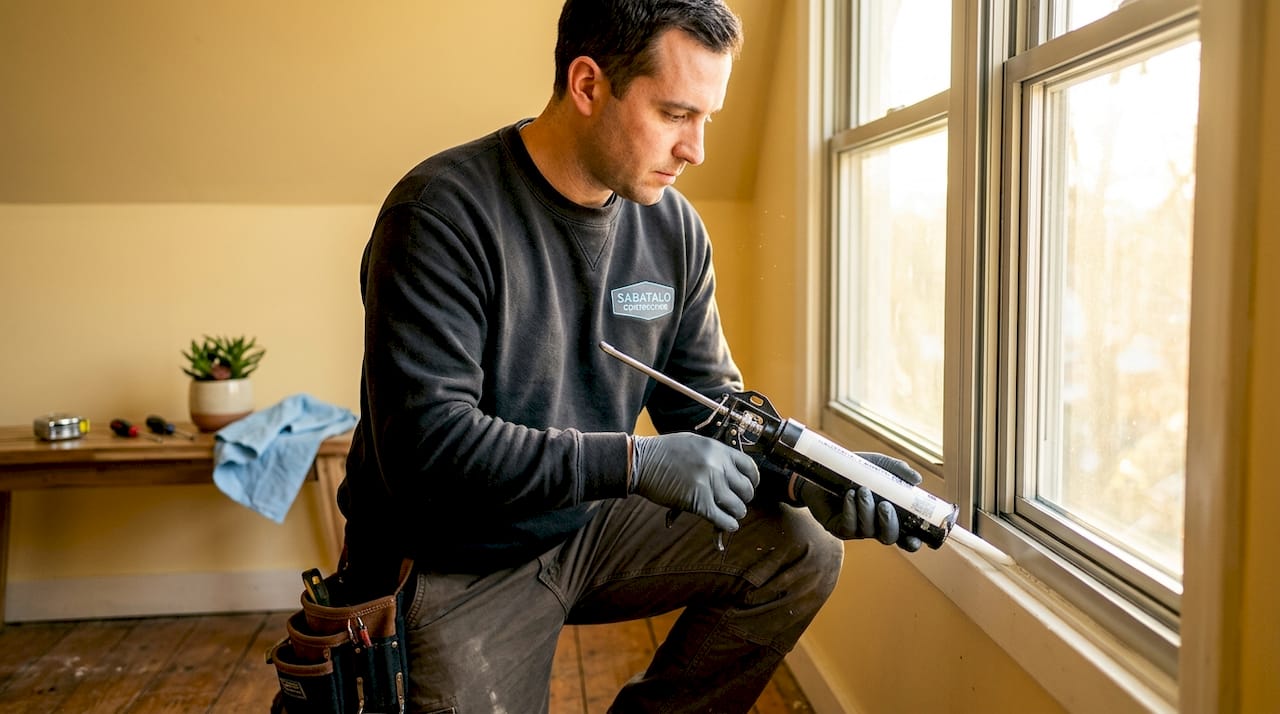
That said, one finding keeps coming up in real project data: installation quality affects long-term durability more than frame material in many cases. Seal failure, poor flashing, and inadequate hardware are the most common reasons windows fail early, regardless of whether they’re vinyl or aluminum. A well-installed vinyl window will outlast a poorly installed aluminum one every time.
Maintenance expectations are also worth separating. Frame maintenance for vinyl is minimal. Aluminum needs periodic inspection of its finish but rarely needs repainting when powder-coated. For both materials, the real maintenance focus should be on seals, weatherstripping, and hardware, not the frame itself.
Aesthetics and architectural fit
Here’s where the two materials diverge most clearly, and where your home’s style should carry real weight in the decision.
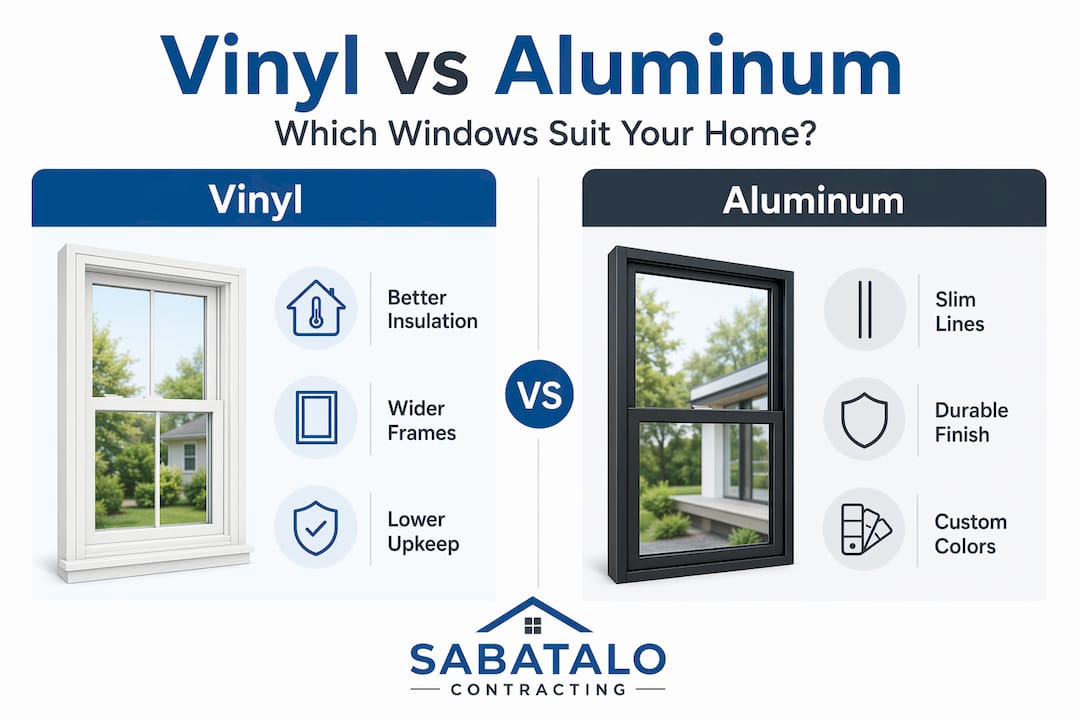
Aluminum’s structural strength allows for slim sightlines and larger glass spans. Aluminum frames support 8 to 12 feet of unsupported glass, which makes them the natural choice for modern architecture, open concept renovations, floor-to-ceiling windows, and contemporary additions. If you’re building a modern home in the Boston suburbs or adding a large sliding glass wall to a Cape, aluminum frames fit that design language.
| Feature | Vinyl | Aluminum |
|---|---|---|
| Frame profile width | Wider | Slimmer |
| Large glass spans | Limited by structure | Excellent |
| Color options | Pre-set, many choices | Powder coated, any RAL color |
| Traditional styles | Excellent match | Less common |
| Simulated divided lites | Available | Available |
| Repainting | Not possible | Yes, with refinishing |
Vinyl windows suit traditional New England architecture extremely well. A Colonial, Cape, or craftsman-style home looks right with vinyl windows, which can be ordered with simulated divided lites to match historic mullion patterns. The color selection from major manufacturers has expanded dramatically and now includes woodgrain textures and premium neutrals beyond the original white-only offerings.
One honest limitation of vinyl: if you want a very specific, custom color to match a unique trim color on your home, you may not find an exact match. Aluminum’s powder coating process means you can match virtually any color precisely.
Cost analysis and value over time
Sticker price is the first thing most homeowners notice. Vinyl windows typically run $300 to $800 installed per window. Aluminum windows range from $600 to $1,200 installed. On a full house replacement of 15 to 20 windows, that’s a meaningful difference.
But installed cost is only one part of the real number. Here’s how to think through the full picture:
- Upfront cost. Vinyl wins clearly. The manufacturing cost difference is roughly $40 to $60 per unit, and that gap compounds through retail markup and installation.
- Energy savings over time. Quality vinyl windows will reduce heating and cooling costs more than standard aluminum due to better baseline insulation. Over a Massachusetts heating season, this is real money.
- Lifespan and replacement timing. Aluminum’s longer service life means you may replace vinyl windows once or twice while aluminum windows keep performing. That changes the total cost of ownership calculation over a 50-year horizon.
- Location impact. Coastal Massachusetts homeowners should weight aluminum more heavily. Salt air accelerates vinyl degradation and can reduce its effective lifespan significantly. Aluminum’s longer lifespan and durability near the coast often lead to lower overall ownership costs despite higher upfront prices.
- Installation quality investment. Regardless of material, cutting costs on installation is the worst place to save money. Improper installation creates moisture infiltration, seal failure, and drafts that neither material can overcome.
Pro Tip: When getting quotes, ask contractors to break out the window cost and the installation cost separately. This makes comparisons between bids much clearer and reveals where the real differences lie.
My honest take after 15 years of window replacements
I’ve seen homeowners overpay for aluminum windows they didn’t need, and I’ve watched vinyl windows fail in 12 years on south-facing coastal homes that should have had aluminum from the start. The marketing on both sides of this conversation oversimplifies things, and that costs homeowners money.
What I’ve learned is that most Massachusetts homeowners replacing standard double-hung windows on a Colonial or Cape Cod in a non-coastal location get excellent results with quality vinyl. The energy performance is strong, the cost is right, and the maintenance is genuinely low. For those projects, the argument for aluminum usually comes down to aesthetics, not performance.
Where I push back on defaulting to vinyl is coastal properties and any project involving large or custom window configurations. The durability gap is real at the shore, and aluminum’s structural advantages become practically relevant the moment you want windows wider than standard residential sizing.
The one thing I’d tell every homeowner is this: verify thermal breaks carefully if you’re buying aluminum. I’ve seen products marketed as thermally broken that only have partial breaks in certain sections of the frame. That’s not the same thing, and it will show up as condensation on your frames and higher heating bills. Ask for the documentation and the third-party performance data, not just the sales sheet.
— Andrew
Ready to choose the right windows for your home?
At Sabatalocontracting, we’ve spent over 15 years helping Massachusetts homeowners sort through exactly this kind of decision. We know which products perform in New England winters, which frame choices fit which neighborhoods, and how to install windows that actually deliver what’s promised on the spec sheet.

Whether you’re replacing a few drafty windows on a Cape in Norwell or doing a full window overhaul on a modern home in Newton, we’ll walk you through the options that make sense for your specific home. Our team handles window replacement across Massachusetts with the same attention to installation quality that determines whether your windows actually perform for 30 years. And if you’re thinking bigger, we can show you how window upgrades fit into a broader plan to increase your home’s value with exterior improvements. Request a free quote and let’s talk through your project.
FAQ
Which is better for Massachusetts winters, vinyl or aluminum?
Vinyl windows generally perform better in cold Massachusetts winters due to lower U-factors and better baseline insulation. Thermally broken aluminum can narrow the gap, but premium vinyl still leads on energy efficiency in heating-dominated climates.
How long do vinyl windows last in Massachusetts?
Vinyl windows typically last 20 to 30 years in Massachusetts, depending on sun exposure, coastal conditions, and installation quality. Aluminum windows often last 30 to 50 years under similar conditions.
Do aluminum windows need thermal breaks in New England?
Yes. Standard aluminum frames without thermal breaks are poor insulators and will cause condensation and high heat loss in New England winters. Any aluminum window specified for Massachusetts should have a full thermal break throughout the entire frame assembly.
Is vinyl or aluminum better for coastal Massachusetts homes?
Aluminum is the stronger choice for coastal areas like the South Shore or Cape Cod. Salt air degrades vinyl faster than aluminum, and aluminum’s longer lifespan makes its higher upfront cost more justified near the water.
What affects window cost more, the material or the installation?
Both matter, but installation quality has the largest impact on long-term performance and durability. Poor installation creates moisture problems and seal failures that even the best frame material cannot fix.
