
TL;DR:
- Not all double pane windows perform equally; insulation, coatings, gas fills, and frames determine actual energy efficiency.
- Massachusetts residents should prioritize low-U-factor and low-e coatings, and consider foam-filled frames for optimal performance.
If you’re heating a Massachusetts home through a brutal January and your energy bills are climbing, your windows deserve serious attention. Double pane energy efficient windows aren’t all created equal, and that’s where most homeowners get tripped up. The label “double pane” covers everything from budget units with minimal insulation to high-performance systems with gas fills, specialized coatings, and thermally broken frames. This guide cuts through the noise and tells you exactly what separates a window that performs from one that just looks the part.
Table of Contents
- Key takeaways
- How double pane windows actually improve energy efficiency
- Comparing your window insulation options
- What Massachusetts homeowners specifically need to know
- Cost, savings, and what the payback actually looks like
- My take after years of Massachusetts window projects
- Ready to upgrade your Massachusetts windows?
- FAQ
Key takeaways
| Point | Details |
|---|---|
| Not all double pane windows perform equally | Coatings, gas fills, and frame materials determine real-world energy performance, not pane count alone. |
| Frame choice matters more than most expect | Foam-filled vinyl or fiberglass frames can improve your U-factor more than upgrading glass alone. |
| Massachusetts homeowners qualify for tax credits | A 30% federal tax credit on qualified window installations is available through 2032. |
| Historic homes have preservation-friendly options | Magnetic inserts and secondary glazing systems deliver near double-pane performance without full replacement. |
| Professional installation protects your investment | Improper sealing voids warranties and eliminates most of the energy savings you paid for. |
How double pane windows actually improve energy efficiency
Most people assume the air gap between two panes of glass is what makes a window efficient. That’s part of the story. The full picture includes what’s in that gap, what’s on the glass surface, and what holds the whole assembly together.
The insulated glass unit explained
A double pane window is built around what’s called an insulated glass unit (IGU). Two panes of glass are sealed together with a spacer around the perimeter, and the cavity between them is filled with either air or an inert gas. Argon and krypton gas fills reduce heat transfer more effectively than air because they’re denser and less thermally conductive. Argon is the more common choice for residential windows and costs less. Krypton performs better but carries a higher price tag.
Low-e coatings and why they matter in Massachusetts
Low-emissivity (low-e) coatings are microscopically thin metallic layers applied to the glass surface. They reflect radiant heat while still allowing visible light to pass through. For Massachusetts winters, you want a coating that lets solar heat in during the day but blocks interior heat from escaping at night.
Windows with low-e coatings cost about 10 to 15 percent more but significantly cut energy loss compared to uncoated glass. That modest price premium pays off quickly in a climate where heating season runs from October through April.
Frame materials and the part most buyers ignore
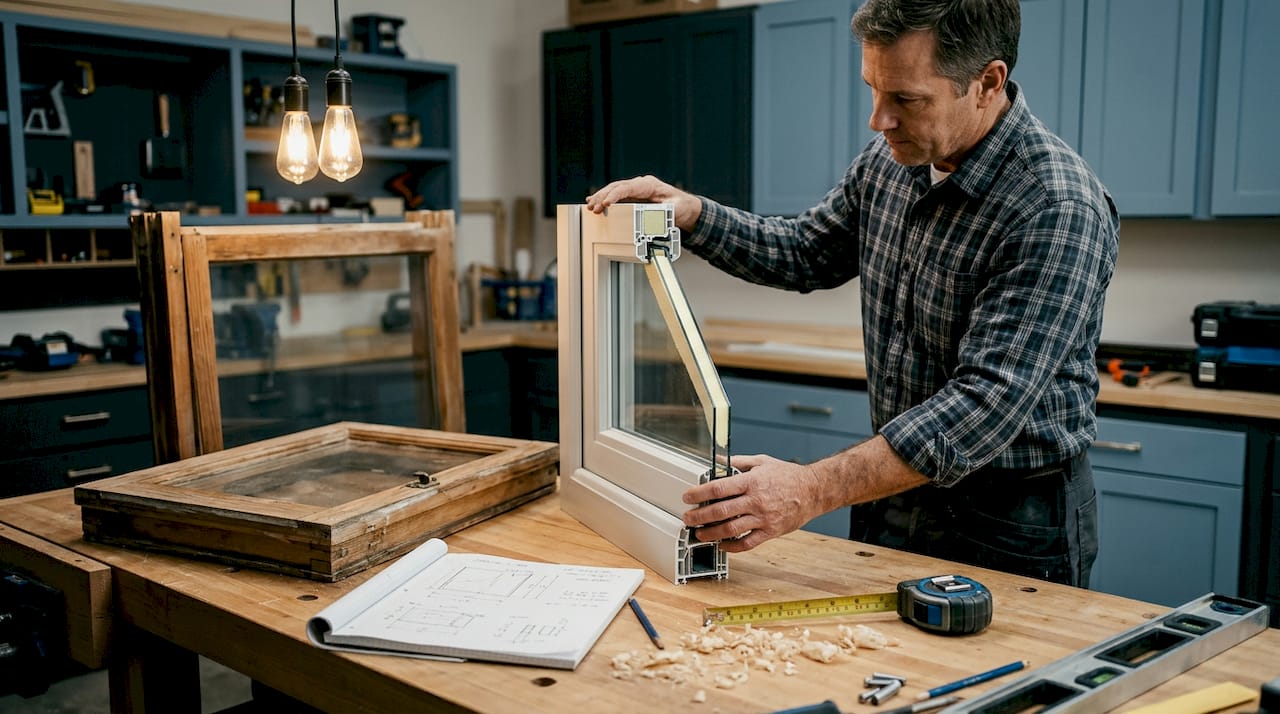
Here’s something most window shopping guides skip entirely: foam-filled vinyl frames can improve your window’s overall U-factor more than upgrading the glass alone. Hollow vinyl frames conduct cold inward along the frame edges, undermining even the best glass unit.
Look for frames made from foam-filled vinyl or fiberglass. Both outperform hollow vinyl and wood in thermal resistance. Fiberglass frames also handle the freeze-thaw cycles of Massachusetts winters better than wood, which can warp or rot over time.
Reading the ratings that actually tell the truth
Two numbers matter most when comparing high performance window types:
- U-factor: Measures how much heat escapes through the window. Lower is better. Look for 0.30 or below for Massachusetts climates.
- SHGC (Solar Heat Gain Coefficient): Measures how much solar heat the window lets in. Higher values are better on south-facing windows in cold climates; lower values help on west-facing windows.
NFRC-certified windows provide standardized U-factor and SHGC ratings so you can compare products honestly. ENERGY STAR certification narrows your choices further to windows verified for specific climate zones. Massachusetts falls in the Northern zone, which has the most demanding performance requirements.
Pro Tip: Always ask for the NFRC label and the ENERGY STAR climate zone certification before agreeing to any window product. A contractor who can’t produce both should raise a red flag.
Comparing your window insulation options
Double pane windows are the dominant choice for good reason, but they aren’t the only option. Knowing where they stand relative to single pane, triple pane, and insulated window alternatives helps you spend your money in the right place.
| Window type | U-factor range | Typical cost per window | Noise reduction | Best for |
|---|---|---|---|---|
| Single pane | 0.80 to 1.20 | $150 to $400 | Minimal | Replacement only |
| Double pane (standard) | 0.40 to 0.55 | $400 to $700 | Moderate | Most MA homes |
| Double pane (low-e + gas) | 0.20 to 0.35 | $550 to $900 | Good | Best value choice |
| Triple pane | 0.10 to 0.25 | $800 to $1,400 | Excellent | Extreme cold exposure |
| Magnetic window inserts | Varies | $150 to $400 | Moderate | Historic or rental homes |
Triple pane windows: worth the premium?
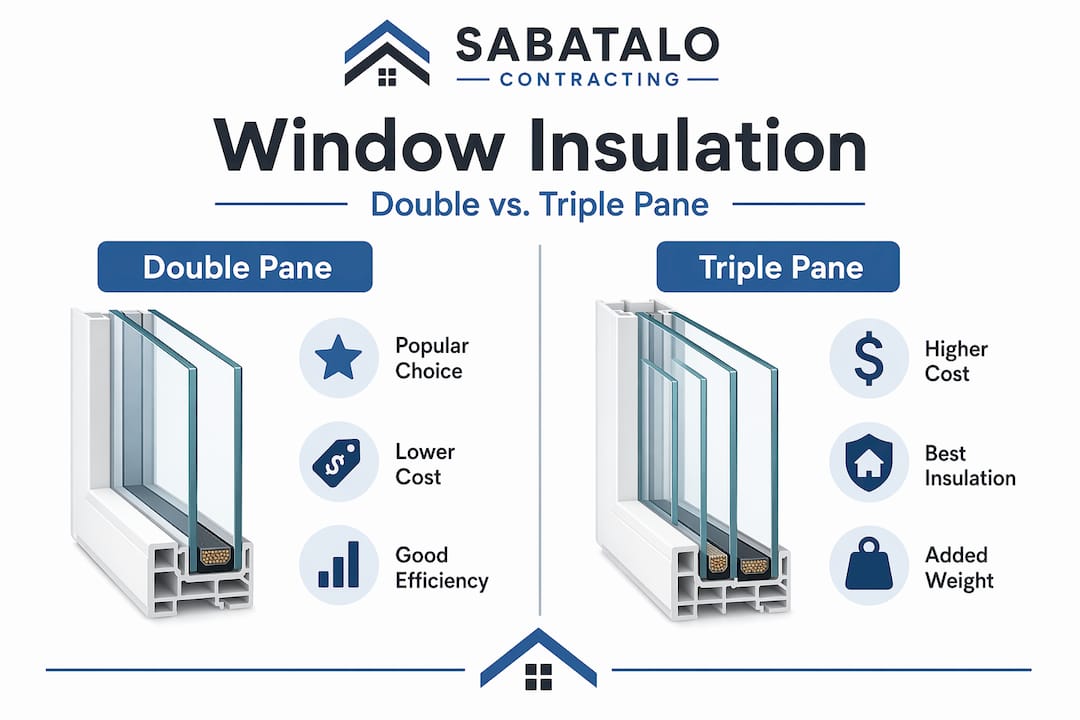
Triple pane windows add a third layer of glass and a second gas-filled cavity. The triple pane windows benefits include lower U-factors, better noise reduction, and near elimination of interior condensation. For a home in western Massachusetts with windows facing prevailing winter winds, that performance advantage is real.
The honest tradeoff is weight and cost. Triple pane units are heavier, which puts more stress on hardware and rough openings. And they cost 30 to 50 percent more than comparable double pane units. For most Massachusetts homes, a well-specified double pane window with low-e coating and argon fill will hit 85 to 90 percent of triple pane performance at significantly lower cost.
Insulated window alternatives for historic and budget-conscious homes
If you own a pre-1940 home in a historic district, full window replacement can trigger preservation board reviews or reduce your home’s architectural character. Historic windows replaced by modern double-pane units may reduce home value or violate local preservation codes in some Massachusetts communities.
Magnetic window inserts are a practical middle ground. Magnetic inserts reduce drafts and the cold glass effect without any structural changes. You can remove them seasonally, which preserves the original window’s function and appearance completely.
Permanent secondary glazing systems go one step further. Secondary glazing systems can save up to 72% on window-related energy bills while keeping the original window fully operational. These systems bond an interior acrylic panel to the existing frame, delivering near double-pane thermal performance without touching the original window.
Pro Tip: If you’re in a Massachusetts Historic District, call your local preservation commission before scheduling any window work. A quick conversation can save you thousands in reversal costs later.
What Massachusetts homeowners specifically need to know
Choosing the best double glazed windows for a home in Cape Ann is a different decision than choosing windows for a condo in Worcester or a Victorian in Cambridge. Climate zone, building age, and local regulations all shape the right answer.
Massachusetts heating degree days average around 5,600 per year in most of the state, with western areas running even higher. That number tells you this is a heating-dominant climate where stopping heat from escaping is the primary job of your windows.
Here are the key factors to work through before you commit to any window:
- Identify your climate exposure. North and west-facing windows see the harshest conditions. Prioritize the lowest U-factor you can afford on those orientations.
- Check your home’s age and style. Homes built before 1950 may have non-standard rough opening sizes. Custom sizing adds cost, so measure carefully and get multiple bids.
- Research local historic and zoning requirements. Some Massachusetts towns restrict window replacement materials, profile depth, or visible muntins. Verify before you buy.
- Stack your incentives. Massachusetts homeowners can claim a 30% federal tax credit on qualified window installations through 2032. Mass Save also offers rebates on ENERGY STAR certified products. Check both before finalizing your budget.
- Verify installer certification. Window performance depends heavily on how the unit is installed. Ask for manufacturer-certified installers and check their Massachusetts contractor license.
Pro Tip: Request the ENERGY STAR certificate for your specific window model and keep it with your tax records. You will need the product documentation when you file for the federal credit.
Cost, savings, and what the payback actually looks like
The cost of double pane windows in Massachusetts runs from roughly $400 to $900 per window installed for standard double pane units with low-e coating and argon fill. High-end triple pane or specialty sizes push past $1,400 per window. A typical 15-window home replacement project lands between $8,000 and $18,000 depending on product selection, frame repair needs, and installation complexity.
The impact of windows on energy bills is real but often overstated in marketing materials. Here’s a grounded view of what to expect:
- Average savings: Upgrading from single pane to quality double pane windows can reduce energy loss by 30 to 50 percent through the window assembly.
- Payback period: In Massachusetts, with natural gas heating, expect a payback period of 8 to 15 years on the window investment alone. Electric heat homes see faster payback.
- Comfort gains: Double pane windows reduce interior condensation and frost buildup, which improves perceived comfort well before the payback period closes.
- Home value: Buyers notice new windows. Quality window replacement typically returns 60 to 70 percent of project cost in resale value, with additional appeal from lower utility bills.
The biggest financial mistake homeowners make is optimizing for purchase price and ignoring frame quality. A budget window in a foam-filled fiberglass frame will outperform an expensive glass unit in a hollow vinyl frame every single winter.
Improper installation or poor sealing can wipe out most of your expected energy savings and void the manufacturer warranty. Hiring based on price alone is the fastest way to end up with a 15-year payback that stretches to 30.
My take after years of Massachusetts window projects
I’ve seen homeowners spend $1,200 per window on triple pane glass, then watch the savings disappear because the crew used the wrong flashing tape around the rough opening. And I’ve seen modest double pane windows with solid argon-filled units and foam-filled vinyl frames outperform windows that cost twice as much.
What I’ve learned is that the window system matters far more than any single spec. The glass, the coating, the gas fill, the spacer, the frame, and the installation all work together. If any one of those elements is weak, you pay for it in comfort and energy bills every winter.
The other thing that took me time to fully appreciate: historic homes need a different approach entirely. I’ve worked on projects in Boston’s South End and on older capes in Barnstable where the right answer was a secondary glazing system rather than full replacement. That’s not the obvious call, but it protects the architecture, avoids preservation board friction, and still delivers meaningful energy savings.
My honest advice is to find a contractor who asks about your home’s age, orientation, and existing frame condition before talking product. If the first conversation is about which brand to buy rather than how your home performs, that’s a signal to keep shopping.
— Andrew
Ready to upgrade your Massachusetts windows?
If you’re weighing options for your home, Sabatalocontracting has spent over 15 years helping Massachusetts homeowners navigate exactly these decisions. From selecting the right certified double pane units to managing historic preservation requirements, the team brings local knowledge that generic window retailers simply don’t offer.

Sabatalocontracting installs ENERGY STAR certified windows throughout Massachusetts and can walk you through available federal tax credits and Mass Save rebates that reduce your out-of-pocket cost. For homeowners thinking beyond windows, check out how exterior upgrades increase home value through coordinated improvements to siding, roofing, and doors. You can also explore energy efficient windows in Massachusetts to get a clear picture of pricing and long-term savings for your specific situation. Request a consultation and get a straight answer on what your home actually needs.
FAQ
What makes a double pane window truly energy efficient?
A double pane window’s real efficiency comes from the combination of low-e coating, inert gas fill (argon or krypton), frame material, and installation quality. Pane count alone tells you very little about actual thermal performance.
How much can I save on energy bills with new double pane windows?
Upgrading from single pane to quality double pane windows with low-e coatings can reduce heat loss through your windows by 30 to 50 percent, though whole-home energy bill reductions depend on how much of your heat loss comes from windows versus other sources.
Are triple pane windows worth the extra cost in Massachusetts?
Triple pane windows deliver measurably better performance in extreme cold exposure or on heavily wind-exposed facades, but a well-specified double pane window with argon fill and low-e coating reaches 85 to 90 percent of that performance at significantly lower cost for most Massachusetts homes.
Can I replace windows in a Massachusetts historic district?
You may be able to, but many historic districts in Massachusetts regulate window replacement materials, profiles, and appearance. Contact your local preservation commission first, and consider secondary glazing systems or magnetic inserts as preservation-friendly alternatives.
What tax credits are available for window replacement in Massachusetts?
Massachusetts homeowners can claim a 30% federal tax credit on qualified energy efficient window installations through 2032 under the Energy Efficient Home Improvement Credit. Mass Save also offers additional rebates for ENERGY STAR certified products.
Recommended
- Energy efficient windows in Massachusetts: save money | Sabatalo Contracting
- New Energy Efficient Windows: Lower Bills, Enhanced Comfort | Sabatalo Contracting
- Energy Star Windows: Boosting Comfort and Savings in MA | Sabatalo Contracting
- Energy Efficient Impact Windows: Savings and Protection | Sabatalo Contracting
