TL;DR:
- Massachusetts roofs must be engineered for local weather to prevent leaks and damage.
- Proper insulation, ventilation, and regular inspections significantly extend roof lifespan and efficiency.
- Ongoing maintenance and professional assessments are crucial to avoid costly water and structural damage.
Most homeowners think about their roof when it looks worn out or after a storm tears off a few shingles. But your roof does far more than make your house look good from the street. In Massachusetts, where winters bring ice dams and nor’easters, and summers serve up heavy rain and humidity, your roofing system is working constantly to shield your home from the outside world. It also plays a direct role in how much you pay to heat and cool your home every single year. Understanding what your roof actually does gives you a real advantage as a homeowner.
Table of Contents
- How roofing defends your home from Massachusetts weather
- Energy efficiency: How roofs save you money year-round
- Preventing water damage: Roof design and maintenance essentials
- Maintaining your roof for long-term home protection
- What most Massachusetts homeowners overlook about roofing protection
- Ready to protect your home? Work with Massachusetts roofing experts
- Frequently asked questions
Key Takeaways
| Point | Details |
|---|---|
| Weather shield | Quality roofing defends Massachusetts homes from harsh weather like snow, rain, and wind. |
| Energy savings | A well-designed roof can lower energy bills by up to 15% due to improved insulation. |
| Water damage prevention | Proper roof design and regular upkeep help block leaks and costly structural issues. |
| Maintenance matters | Frequent inspections and timely repairs extend your roof’s lifespan and your home’s value. |
How roofing defends your home from Massachusetts weather
New England weather is not gentle. Between January blizzards, spring floods, summer thunderstorms, and fall wind events, Massachusetts roofs face a full year of punishment. A roof built to code is a start, but a roof engineered for local conditions is what actually keeps your home dry, structurally sound, and safe and durable through all of it.
One of the biggest threats in Massachusetts is the ice dam. Ice dams form when heat escapes through your attic, melts snow on the roof, and that meltwater refreezes at the cold eaves. The resulting ice backs up under your shingles and pushes water into your walls and ceilings. Proper installation with ice-and-water shield underlayment along the eaves is essential for any Massachusetts home. Without it, even a brand new roof can leak badly in February.
Massachusetts weather risks also include wind-driven rain during nor’easters and spring storms, which can force water underneath improperly fastened shingles. Heavy snow loads stress roof decking, especially on older homes with wider rafter spacing. High-quality roofing materials extend the lifespan of Massachusetts homes by shielding them from frequent storms and freeze-thaw cycles.
Common Massachusetts weather threats to your roof:
- Ice dams from freeze-thaw cycles
- Wind-driven rain during nor’easters
- Heavy snow loads on roof decking
- UV degradation during summer heat
- Hail impact from spring and summer storms
| Roofing material | Ice dam resistance | Wind resistance | Snow load handling | Lifespan |
|---|---|---|---|---|
| Asphalt shingles | Moderate (with proper underlayment) | Good (up to 130 mph rated) | Good | 20 to 30 years |
| Metal roofing | Excellent | Excellent (up to 140 mph) | Excellent (snow slides off) | 40 to 70 years |
| Slate | Excellent | Very good | Very good | 75 to 150 years |
For storm roofing in Massachusetts, the installation quality matters just as much as the material. A top-tier shingle installed poorly will fail faster than a mid-grade shingle installed correctly.
Pro Tip: When replacing or installing a roof in Massachusetts, always ask your contractor to include a full ice-and-water shield barrier extending at least 24 inches inside the interior wall line. This single step prevents the majority of ice dam leaks.
Energy efficiency: How roofs save you money year-round
Understanding weather resilience is only half the story. The right roof keeps your home cool in summer and warm in winter, and that directly affects your monthly utility bills.
Most energy loss in a home happens through the attic and roof assembly. When your roof and attic system are not working together, you are essentially paying to heat and cool the outdoors. Well-insulated roofing can cut annual energy bills by up to 15% in Massachusetts, which adds up to real savings over the life of your roof.
How energy escapes from a poorly maintained roof:
- Gaps in attic insulation allow heat to rise and escape in winter
- Dark, absorptive shingles raise attic temperatures by up to 40 degrees Fahrenheit in summer
- Blocked or inadequate ventilation traps hot air and moisture in the attic
- Aged or damaged underlayment creates air infiltration points
- Missing or cracked flashing allows both air and water to enter
| Roof type | Estimated annual energy savings | Best season benefit | Notes |
|---|---|---|---|
| Standard dark asphalt | Baseline | Winter (minimal) | Absorbs summer heat |
| Reflective asphalt shingle | Up to 7% savings | Summer | Light color reduces heat gain |
| Metal with cool coating | Up to 15% savings | Summer and winter | Reflects sun, holds insulation value |
| Properly ventilated any type | Up to 10% savings | Year-round | Attic ventilation is critical |
Attic ventilation is one of the most underrated components of a roofing system. Proper airflow through ridge vents and soffit vents keeps the attic temperature close to the outdoor temperature. In summer, this prevents heat from radiating down into your living space. In winter, it prevents the warm moist air from condensing on cold roof decking and causing rot or mold.
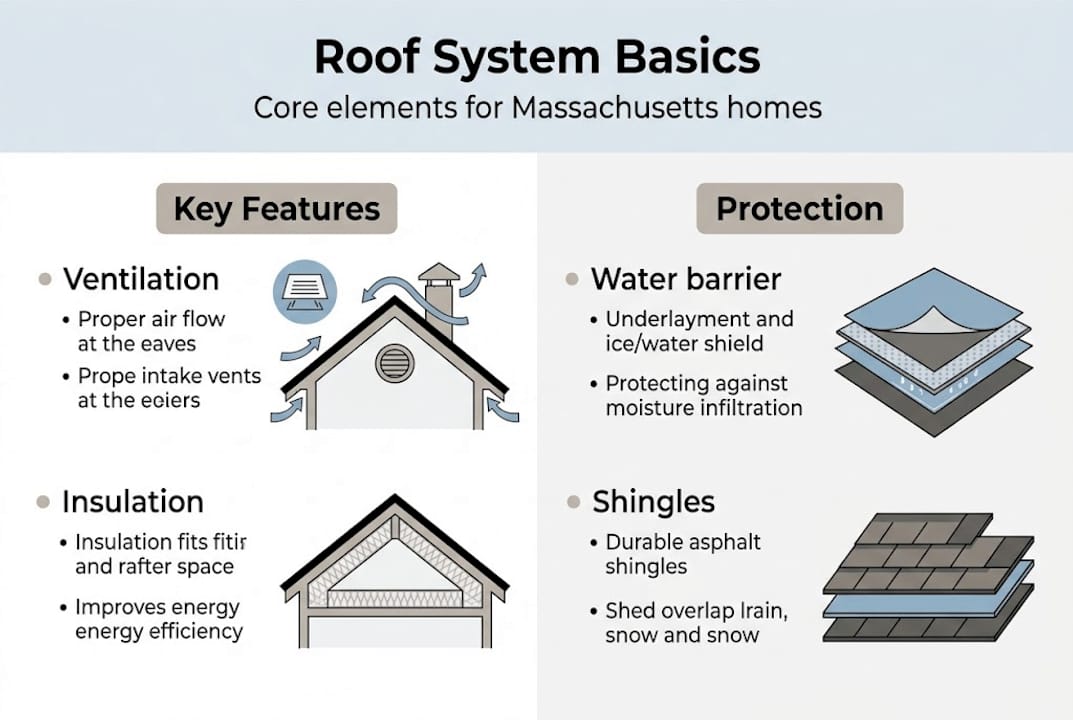
Meeting Massachusetts roofing standards means your roof should address both insulation and ventilation as a combined system, not as separate afterthoughts.
Pro Tip: In Massachusetts, look for shingles with a high solar reflectance index (SRI) rating when replacing your roof. Even a modest improvement in reflectance can noticeably lower summer cooling costs, especially in homes with upper-floor bedrooms. Cool roofs are increasingly common and worth the conversation with your contractor.
Preventing water damage: Roof design and maintenance essentials
Once you understand energy benefits, it is vital to grasp the direct impact your roof has on preventing costly water damage. Massachusetts gets significant rainfall throughout the year, and spring months can be particularly brutal on older or poorly maintained roofs.
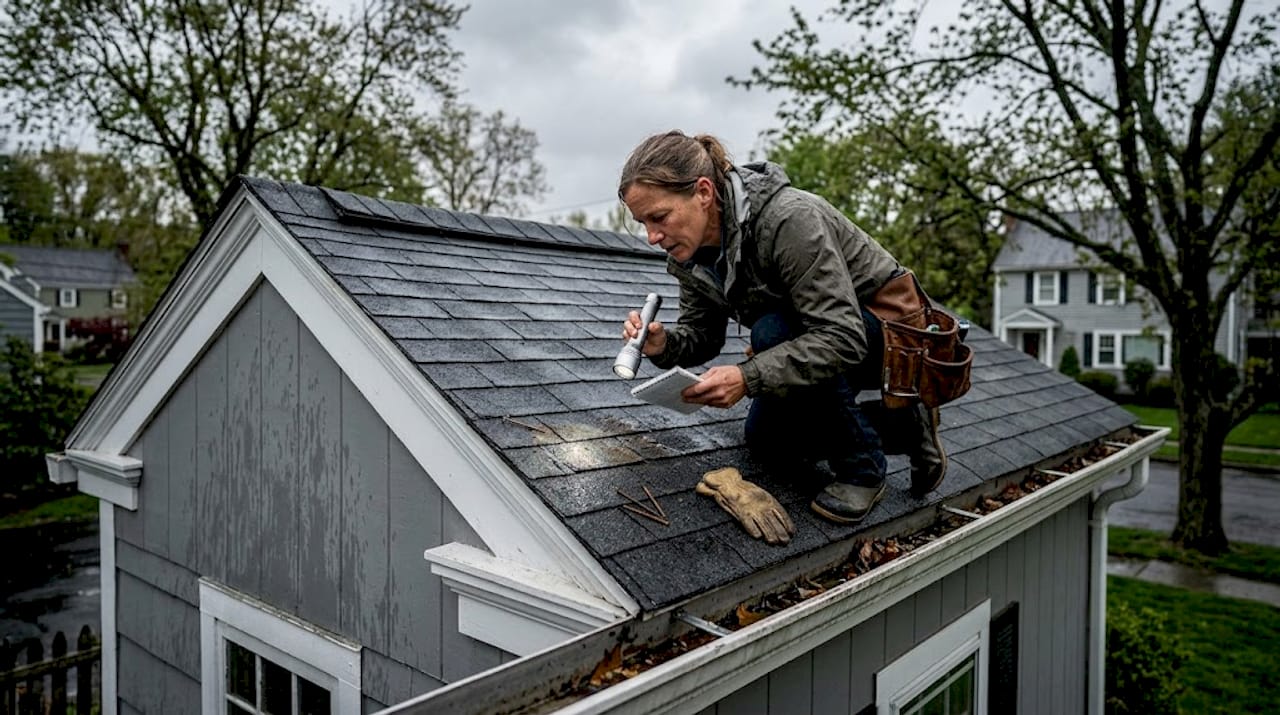
Three components work together to keep water out: flashing, underlayment, and gutters. Flashing is the metal material installed around chimneys, vents, skylights, and wall joints. When flashing fails, water finds a direct path into the home. Underlayment acts as a secondary barrier beneath your shingles, catching any water that gets past the outer layer. Gutters and downspouts channel water away from your foundation and prevent it from pooling at your siding line.
Learning how to prevent roof leaks starts with understanding that most leaks are not dramatic failures. They are slow, hidden infiltrations at weak points that go undetected until the damage is extensive.
“The most expensive repairs we see are from leaks that started small and were ignored for one or two seasons. A $200 inspection catches a $15,000 interior repair before it starts.” This is not an exaggeration. We see it regularly.
Regular roof inspections prevent major water damage repairs by catching these small failures early. Knowing how to identify roof damage as a homeowner is equally important between professional visits.
Seasonal maintenance checklist for Massachusetts homeowners:
- Spring: Inspect for shingles lifted or damaged by winter ice. Check all flashing points. Clean gutters of debris.
- Summer: Look for granule loss in gutters (a sign of shingle aging). Check attic for signs of moisture or mold.
- Fall: Clear gutters before leaf season ends. Trim overhanging branches that could damage the roof in ice storms.
- Winter: After heavy snow, check attic insulation performance. Look for ice dam formation at eaves.
Unchecked water infiltration also leads to mold growth, which is a serious health and structural risk in enclosed attic spaces. Staying ahead of this with routine care is always cheaper than remediation.
Pro Tip: If you notice water stains on your ceiling after a storm, do not wait for the next major event to confirm the problem. Call a professional immediately. One inspection can save tens of thousands in structural repairs.
Maintaining your roof for long-term home protection
Prevention is key, and ongoing roof maintenance is your best line of defense after understanding risks and features. A well-maintained roof does not just protect your home. It also supports your home’s resale value and your ability to file successful insurance claims when severe weather strikes.
Annual and post-storm inspections extend roof life and protect investments. According to the National Roofing Contractors Association, routine roof system inspections are one of the most effective ways homeowners can preserve their roofing investment over time.
Homeowner maintenance habits that make a real difference:
- Inspect your roof visually from the ground after every significant storm
- Check attic spaces for daylight, moisture, or unusual drafts twice a year
- Keep gutters clean and free-flowing so water exits the roof quickly
- Trim tree branches within 6 feet of the roofline
- Replace individual damaged shingles promptly rather than waiting for a full replacement
- Look for curling, cupping, or cracked shingles as early warning signs
One thing many homeowners do not consider is documentation. Keeping a simple log of every inspection, repair, and roof-related maintenance event creates a paper trail that insurance adjusters value highly. If a storm damages your roof, a documented history of proper upkeep can significantly speed up your claim and increase the payout.
Our roof repair experts in Massachusetts frequently see roofs that could have lasted another decade with basic annual attention. The homeowners who stay proactive simply get more life out of their investment.
Pro Tip: After any storm with winds over 50 mph or hail larger than a dime, schedule a professional inspection even if your roof looks fine from the ground. Hail damage is often invisible from street level but causes hidden granule loss that dramatically shortens shingle life.
What most Massachusetts homeowners overlook about roofing protection
Here is something we have learned after years of working on roofs across Massachusetts: most homeowners treat their roof like a smoke detector. They set it and forget it until something goes wrong. That mindset is expensive.
The assumption that a new roof gives you 25 years of worry-free protection is not accurate. A new roof gives you a 25-year potential lifespan if you maintain it consistently. Massachusetts weather does not allow for passive ownership. Ice dams, wind events, and heavy spring rains all create stress points that build over time. Small vulnerabilities compound every season they go unaddressed.
We also see homeowners invest in flashy aesthetic upgrades while neglecting the functional layer underneath. A beautiful shingle color on worn-out underlayment is like painting over rust. Working with experienced roofing professionals means getting an honest assessment of what your system actually needs, not just what looks good from the curb. Proactive care, even modest annual attention, consistently outperforms one-time expensive overhauls that ignore the basics.
Ready to protect your home? Work with Massachusetts roofing experts
With these insights, you can take confident steps toward a safer, more efficient home. Scheduling an inspection or upgrade during summer or fall gives you the best window before winter weather arrives.

At Sabatalo Contracting, our roofing contractors bring 15 to 18 years of Massachusetts-specific experience to every project. We know what local weather demands and how to build roofing systems that hold up for decades. Whether you want to review your current roof’s condition or explore how to increase home value with exterior upgrades, our team is ready to guide you. Reach out today to connect with professional roofers in Massachusetts who put your home’s long-term protection first.
Frequently asked questions
How often should I inspect my roof in Massachusetts?
Inspect your roof at least once a year and after any major storm. Annual and post-storm inspections help catch hidden damage before it escalates into costly repairs.
What roofing material handles New England weather best?
Architectural asphalt shingles and metal roofing are both strong performers in New England due to their durability and resistance to snow, ice, and wind. Your material choice impacts how long your roof lasts under local conditions.
Can a new roof really lower my energy bills?
Yes. Upgrading to an energy-efficient roof with proper insulation and ventilation can lower your bills by as much as 15 percent per year, depending on your current system.
What’s the most common cause of roof leaks in Massachusetts?
Ice dams and cracked or missing shingles are the leading causes of leaks, especially after winter. Learning how to prevent roof leaks early keeps small issues from turning into major interior damage.
Recommended
- Storm Roofing Company: Protecting Massachusetts Homes | Sabatalo Contracting
- Roof Replacement Options for Massachusetts Homes | Sabatalo Contracting
- Roof Damage Repair Near Me – Protecting Your Massachusetts Home | Sabatalo Contracting
- Annual Roof Inspections in Massachusetts: A 2025 Guide for Homeowners | Sabatalo Contracting
- How Roofing Protects Your Home in Houston
